
Table of Contents
ToggleYou sleep eight hours, wake up still feeling heavy. You take a weekend off, come back to the office with the same exhaustion. A three-day getaway, and its effect evaporates on the first day back at work.
If that pattern feels familiar, chances are what you’re facing isn’t simply a lack of sleep, but burnout.
Burnout is a state of deep exhaustion involving three dimensions at once: emotional exhaustion, a cynical or detached feeling toward work, and a reduced sense of accomplishment.
The WHO recognizes it as a phenomenon linked to chronic workplace stress that hasn’t been successfully managed. It isn’t even simply “ordinary tiredness” that recovers once you add more hours of sleep.
So why isn’t sleep enough, and what does the body actually need during burnout? Here is the discussion.
Also Read: Why Do You Still Feel Tired Even After Getting Enough Sleep? Common Causes You May Not Realize
Burnout Isn’t Tiredness That Sleep Can Fix
Ordinary tiredness is physical. The body tires after a packed day, and enough rest restores the energy. Burnout, it turns out, is different.
Burnout involves emotional, cognitive, and social exhaustion all at once. You might still be finishing tasks, still showing up to meetings, still answering messages. But internally, something feels empty. The motivation to do things that once came naturally now has to be forced. Things that used to feel meaningful start to feel tedious.
Sleep restores the body physically, but it doesn’t touch those other layers.
Emotional exhaustion needs the processing of feelings. Social exhaustion needs clearer boundaries. Cognitive exhaustion needs a break from stimulus that never stops.
Sleep won’t address a single one of those directly.
4 Reasons Sleep Doesn’t Resolve Burnout
Below are four specific reasons why simply adding more hours of sleep isn’t enough:
-
The Nervous System Stays in Alert Mode
Chronic stress traps the nervous system in a prolonged fight-or-flight state. The body keeps producing cortisol and adrenaline even while you’re lying in bed.
As a result, the sleep you get is often shallow and non-restorative, because the body never truly feels safe enough to enter the deep recovery phase.
-
The Source of the Problem Goes Unresolved
An unrealistic workload, exhausting team dynamics, or a sense of lost control over your work doesn’t change while you close your eyes.
When you wake up, it’s all still waiting. Burnout is often not about how much you work, but about how little control you feel you have.
-
The Exhaustion Is Layered, Not a Single Kind
There’s physical exhaustion, but there’s also emotional exhaustion (constantly suppressing feelings), mental exhaustion (too many decisions), social exhaustion (interaction without a break), and sensory exhaustion (screens, notifications, endless noise). Sleep only helps address the physical kind.
-
Stress Hormones That Block Recovery
Consistently high cortisol levels suppress the production of melatonin, the hormone needed for deep sleep.
Stress causes poor sleep, poor sleep makes you less resilient to stress, and the cycle repeats. Without active intervention, burnout’s cause-and-effect loop doesn’t break on its own.
The 42% Rule: How Much Time Does the Body Need to Recover?
One concept that helps explain burnout recovery is the 42% rule, popularized by Emily and Amelia Nagoski in their book Burnout: The Secret to Unlocking the Stress Cycle.
The Nagoskis explain that the body needs around 42% of your time in a day, or about 10 hours, for recovery. Not just sleep.
They suggest a breakdown along these lines: around 8 hours of sleep, 20 to 30 minutes of soothing conversation with someone close to you, 30 minutes of light physical activity, and 30 minutes of free time with no demands attached.
The line most often remembered from the book goes something like this: “We’re not saying you have to take 42% of your time for rest. We’re saying, if you don’t take it, that 42% will take you.”
That 42% figure is, of course, not a fixed number everyone has to follow exactly. But the authors’ point is that self-recovery isn’t a luxury that can keep being postponed; it’s a biological need that, if ignored, can build up into burnout.
And if the exhaustion you feel has been going on for a long time and is starting to interfere with your daily functioning, never hesitate to consider speaking with a psychologist or counselor. Prolonged burnout can develop into a more serious condition, and professional help can make a significant difference in your life.
Also Read: When Your Body Is Not in Pain but Constantly Tired: What Is Really Happening
Give That 42% Back to Your Day With Aarti Wellness
Burnout can’t be resolved with sleep because it isn’t purely a physical problem. That exhaustion involves a nervous system stuck in alert mode, a source of the problem that hasn’t changed, exhaustion piling up in layers, and stress hormones that block recovery itself.
The 42% rule from Emily and Amelia Nagoski is a reminder that the body needs real variety in its rest: stillness, gentle movement, and space free of any demands.
Aarti Wellness can be one way to fill part of your 42%.
Classes such as Restorative, Yin for A Better Sleep, or Meditation at Aarti Wellness Club Menteng are designed to help the nervous system shift from alert mode into a calmer state.
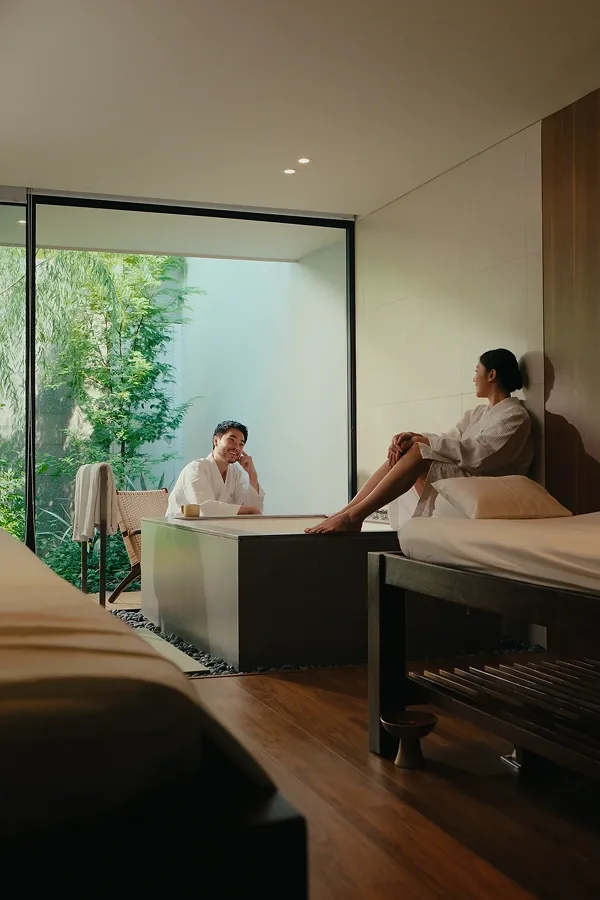
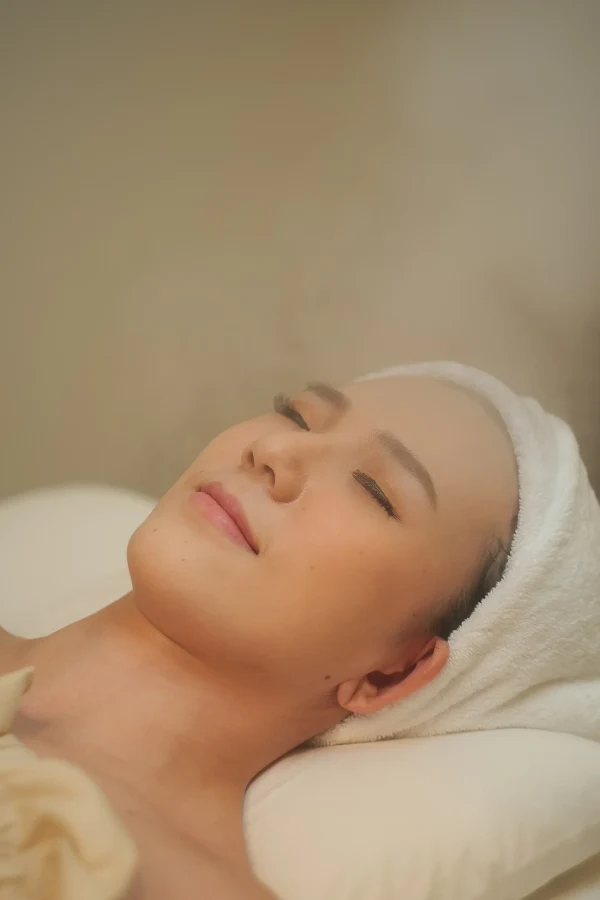
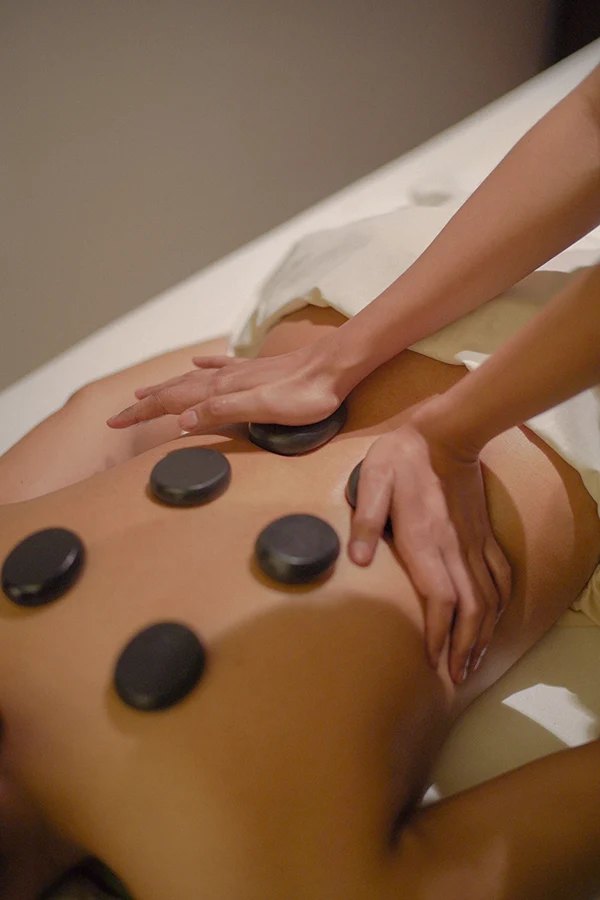
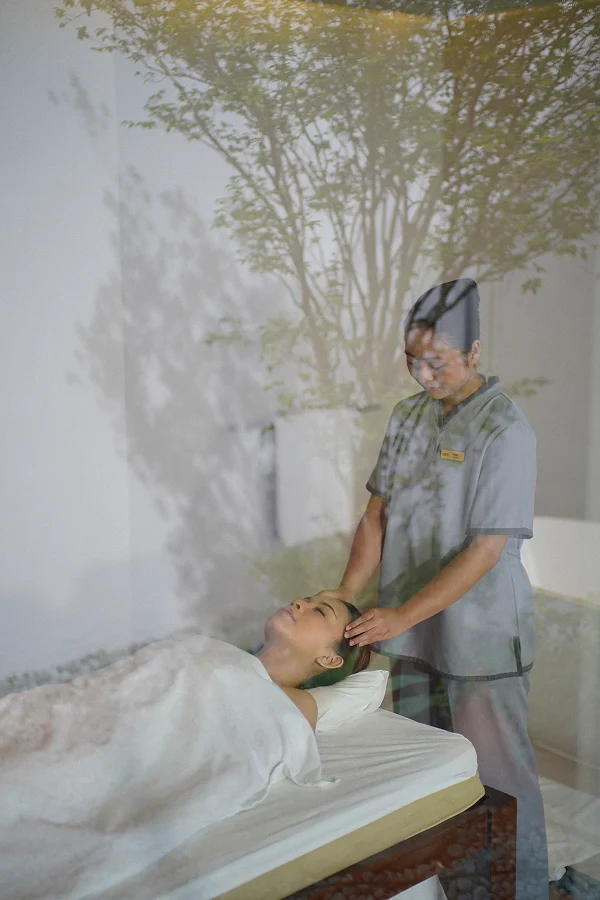
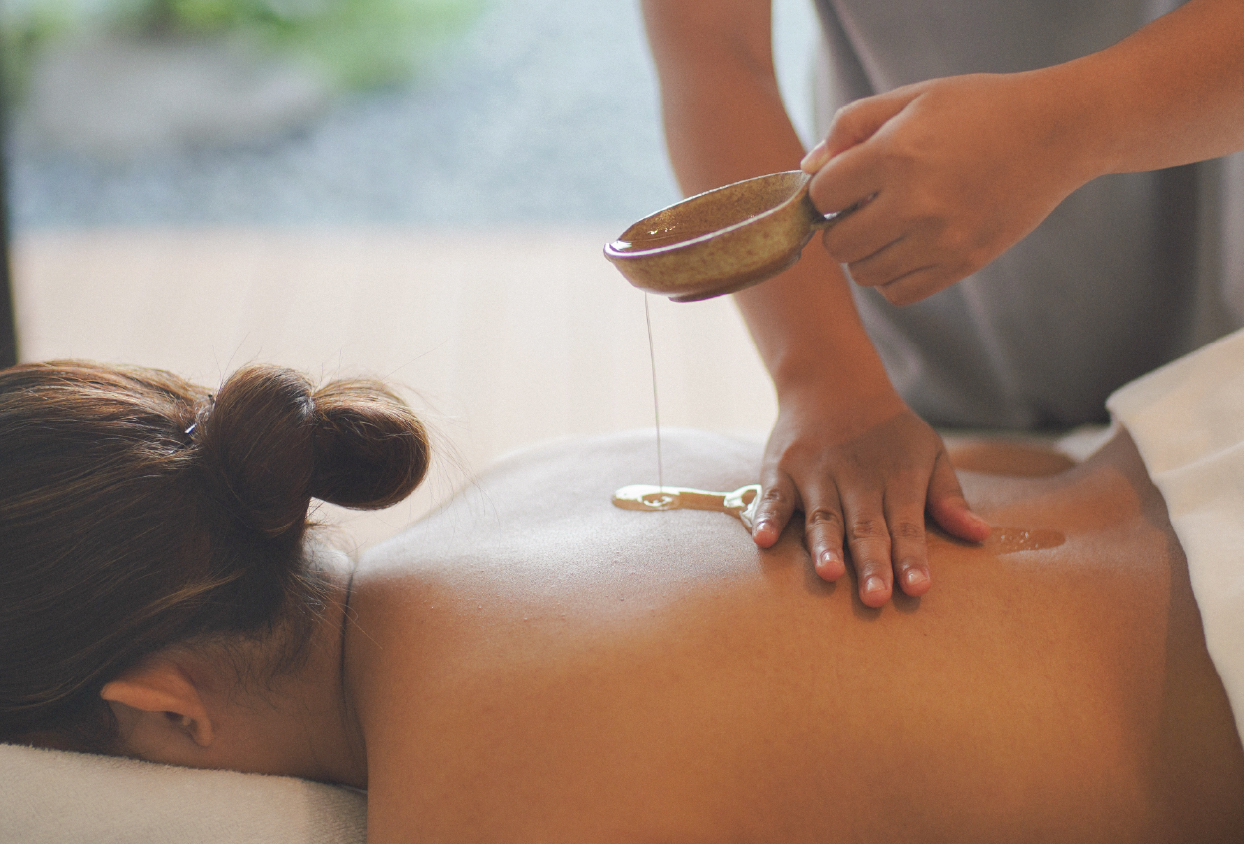
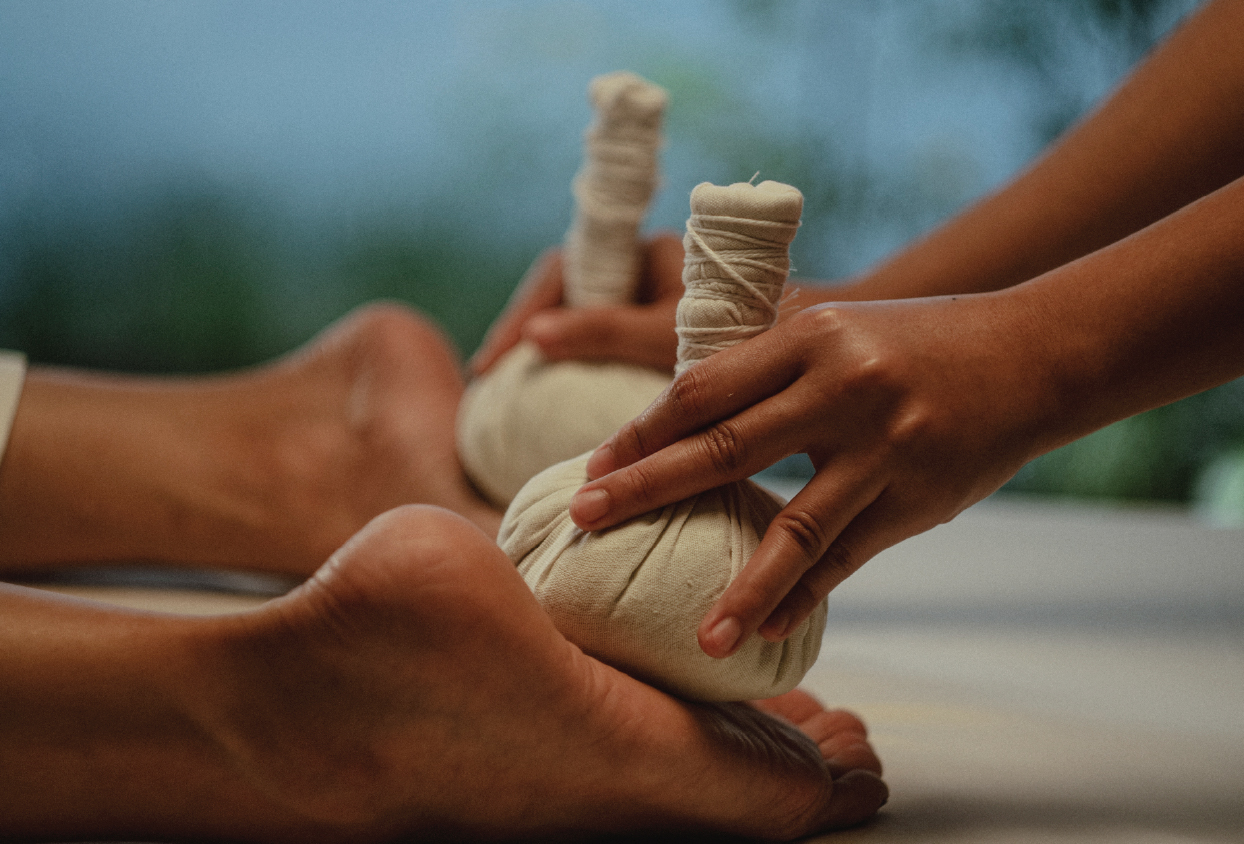
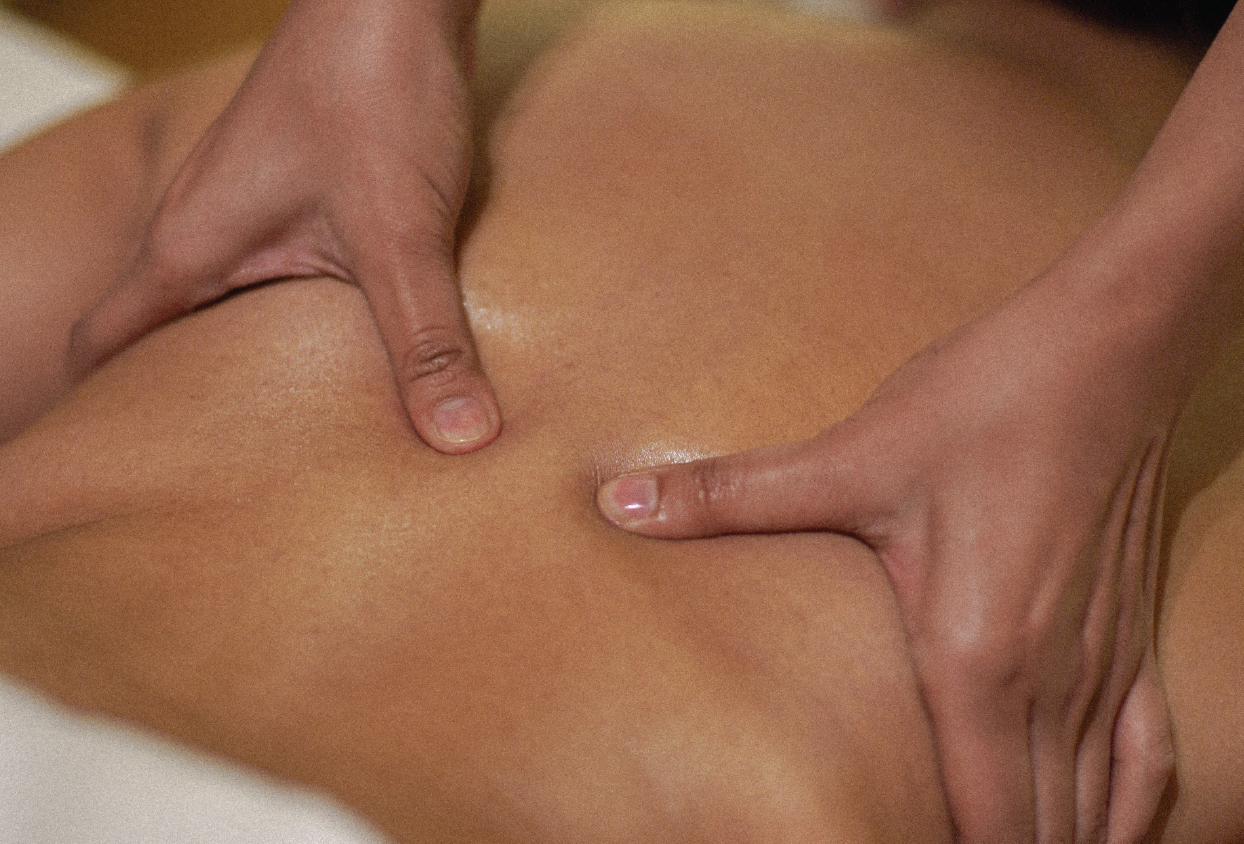
And on the days that call for more passive recovery, the spa and massage treatments available at both Aarti Wellness Wijaya and Aarti Wellness Club Menteng offer a moment of pause with no demands attached, for one to three hours.
The classes and treatments Aarti Wellness offers aren’t a substitute for professional help, but they can be one part of a more comprehensive burnout recovery.
Visit Aarti Wellness now.
References
- MyLife Psychologists. (n.d.). Why Rest Alone Doesn’t Fix Burnout. Accessed from mylifepsychologists.com.au
- Acheron Psychology. (n.d.). Why Rest Isn’t Always the Answer to Burnout. Accessed from acheronpsych.com
- iPractice. (2026). Burnout and Sleep. Accessed from ipractice.com
- Nagoski, E., & Nagoski, A. (2019). Burnout: The Secret to Unlocking the Stress Cycle. Vermilion.