
Table of Contents
ToggleFor many people, a spa is associated with comfort, soothing aromas, calming music, and an opportunity to unwind after a busy routine. But have you ever wondered what actually happens to your body during a spa treatment?
Why do so many people feel lighter, calmer, and sleep better after a spa session? Is it simply a temporary feeling, or are real changes taking place inside the body?
The truth is that spa treatments offer much more than a relaxing experience. Various physiological and psychological responses occur simultaneously throughout the treatment. These include changes in the nervous system, blood circulation, muscle condition, and stress levels that all contribute to overall wellbeing.
This is why spa treatments have become an important part of today’s wellness lifestyle. They are not simply about indulgence but about giving the body valuable time to recover from the physical and mental demands of everyday life.
What Happens to Your Body During a Spa Treatment Begins with the Nervous System
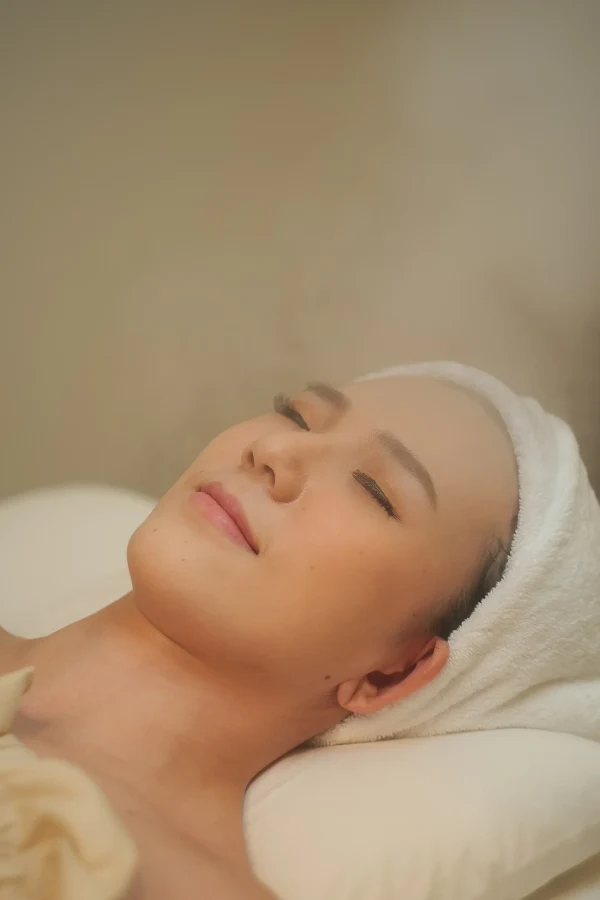
The body actually starts responding the moment you enter the spa environment.
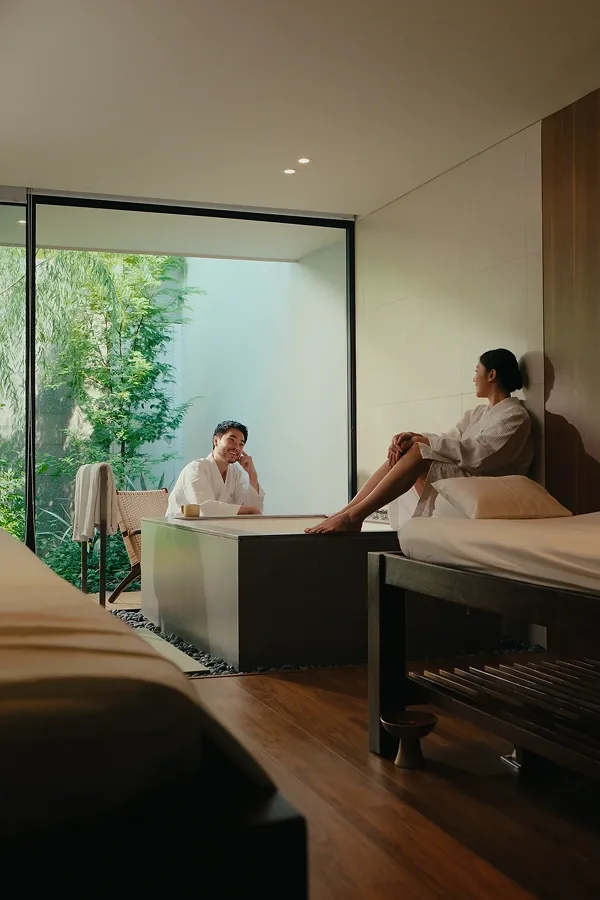
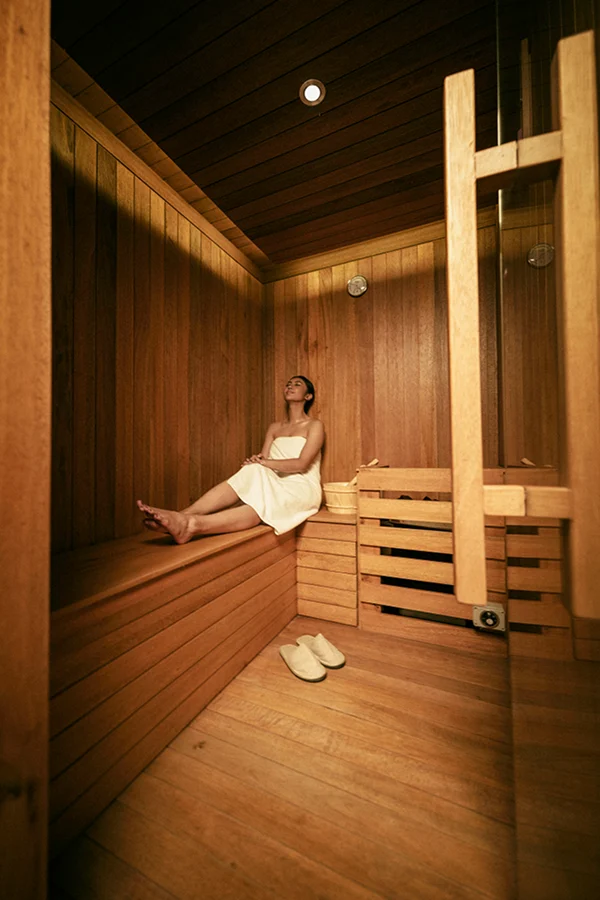
Soft lighting, calming aromas, comfortable room temperatures, and a peaceful atmosphere help reduce the heightened state of alertness that often builds up during daily activities.
The human nervous system operates in two primary modes. The first is an alert state that becomes active when dealing with work, stress, or daily responsibilities. The second is a relaxation state that allows the body to recover.
Spa treatments help the body shift into this relaxation mode.
As this happens, heart rate gradually slows, breathing becomes more regular, and the body’s stress response begins to decrease. This is one reason why many people feel noticeably calmer even before their treatment is complete.
Muscle Tension Begins to Ease
One of the most noticeable effects after a spa treatment is a body that feels lighter and more comfortable.
This feeling does not happen by chance. Throughout the day, the body stores various forms of tension caused by physical activity and mental stress.
Sitting for extended periods, using digital devices for hours, lack of movement, or dealing with work pressure can all cause muscles to tighten without you realizing it.
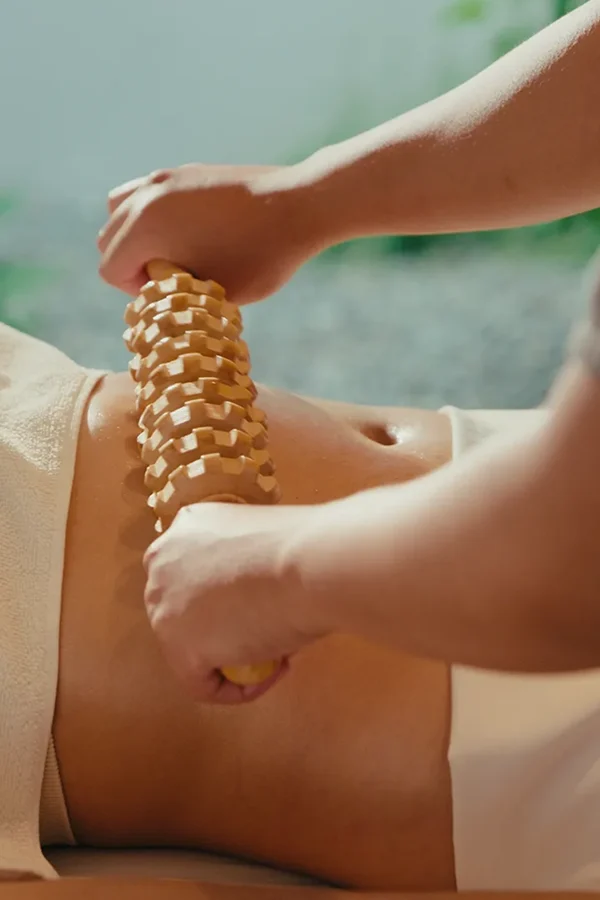
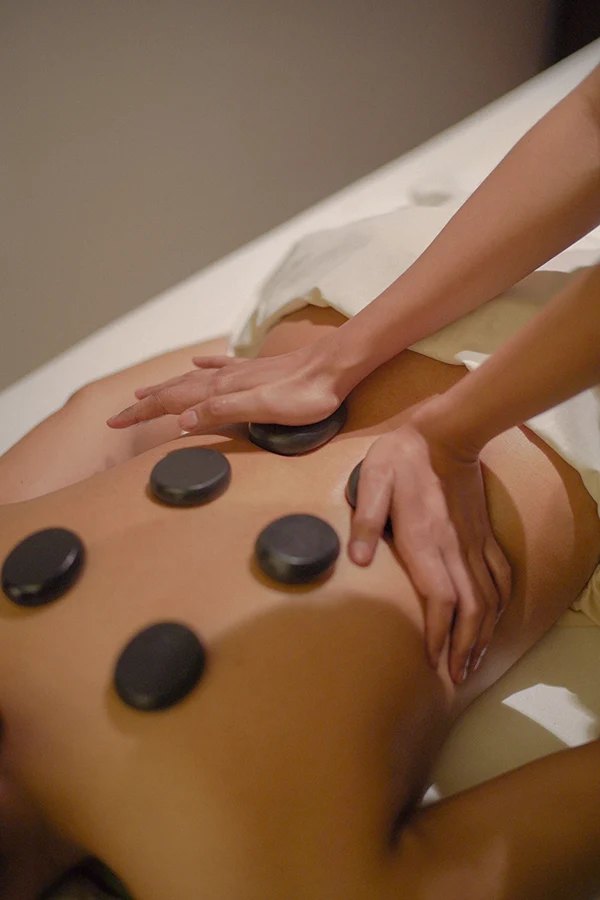
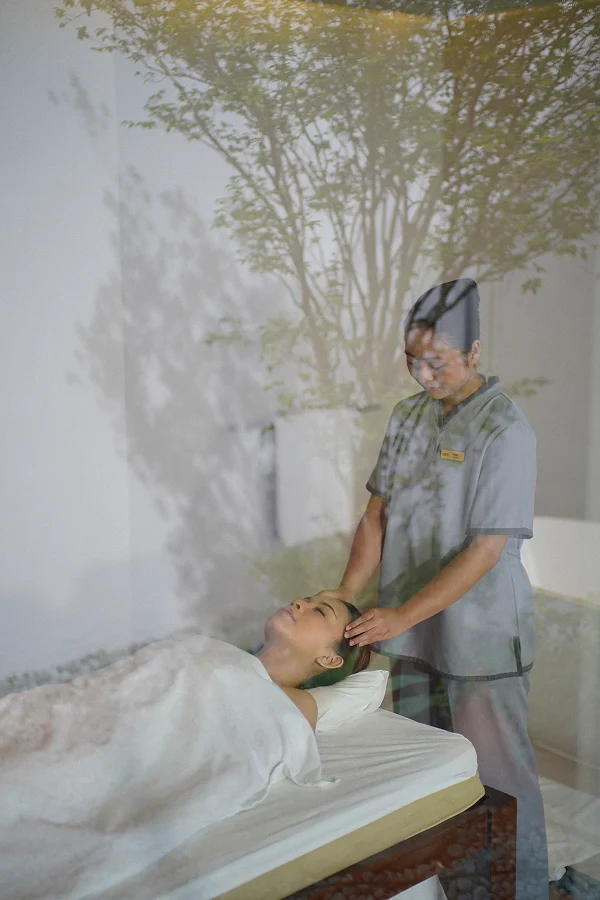
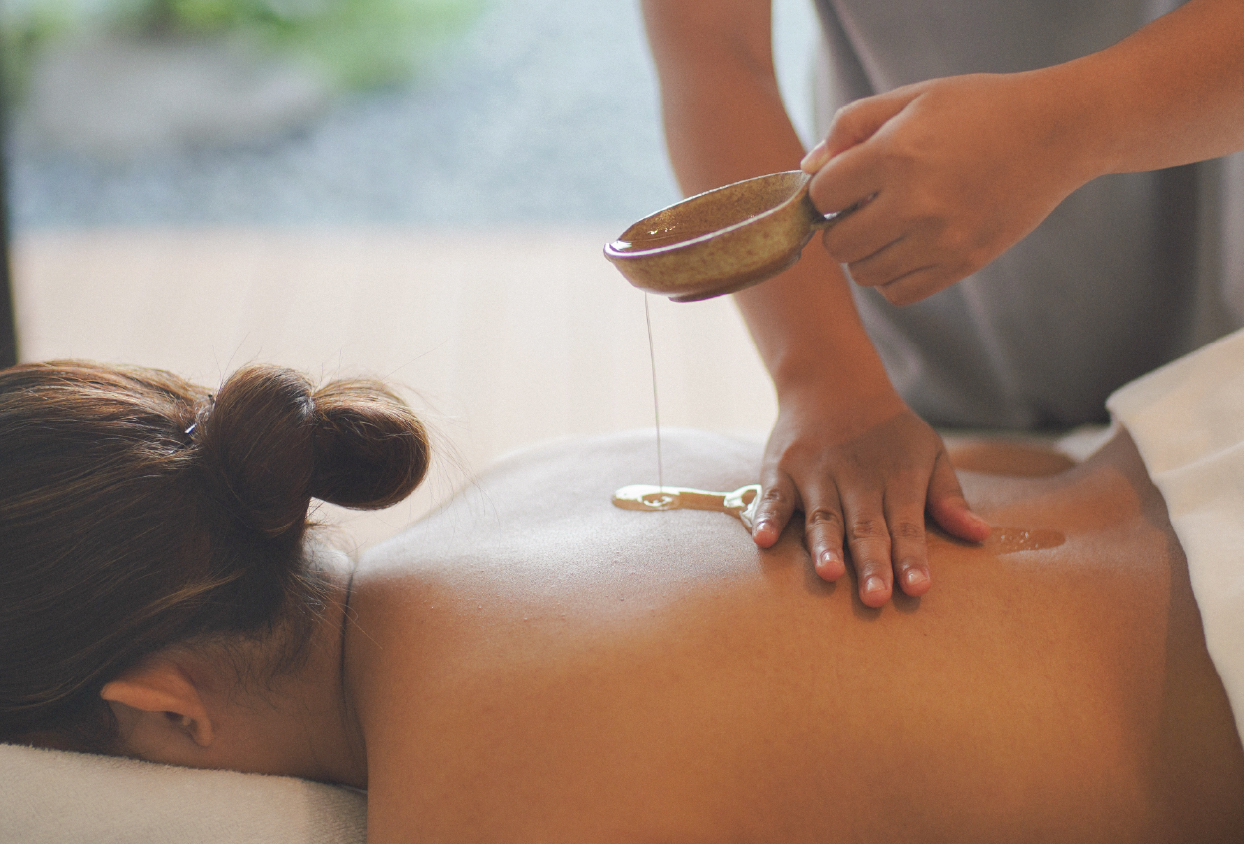
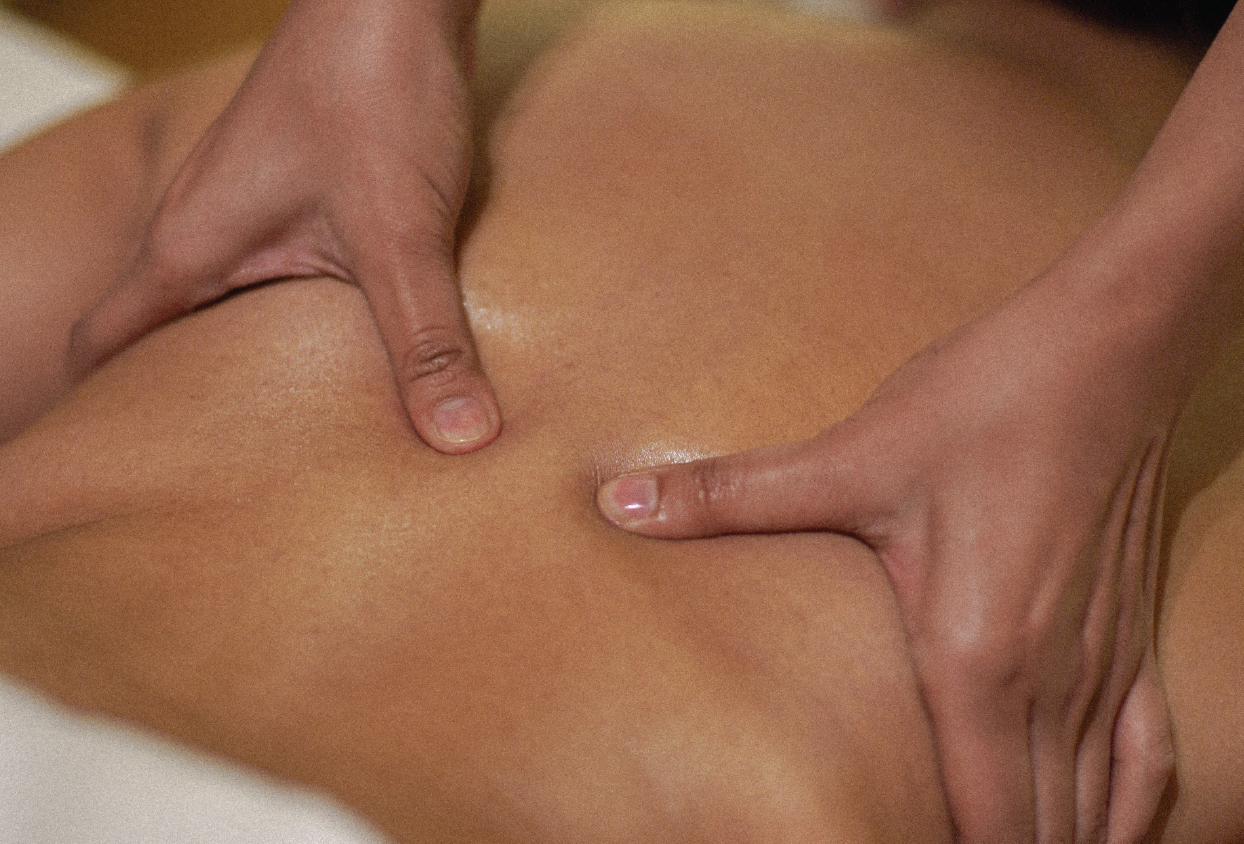
During the treatment, various massage and relaxation techniques help release this accumulated tension.
As muscles begin to relax, the body no longer needs to use extra energy to maintain those tight areas. Movement feels easier, physical discomfort decreases, and soreness is often significantly reduced.
Many people only realize how tense their bodies had become after experiencing the difference following a spa treatment.
Read more: How Spa Helps the Body Reduce Muscle Tension
Blood Circulation Becomes More Efficient
Another important benefit of spa treatments is supporting healthy blood circulation.
Proper circulation plays an essential role in delivering oxygen and nutrients throughout the body. When circulation functions efficiently, the body is able to perform its daily functions more effectively.
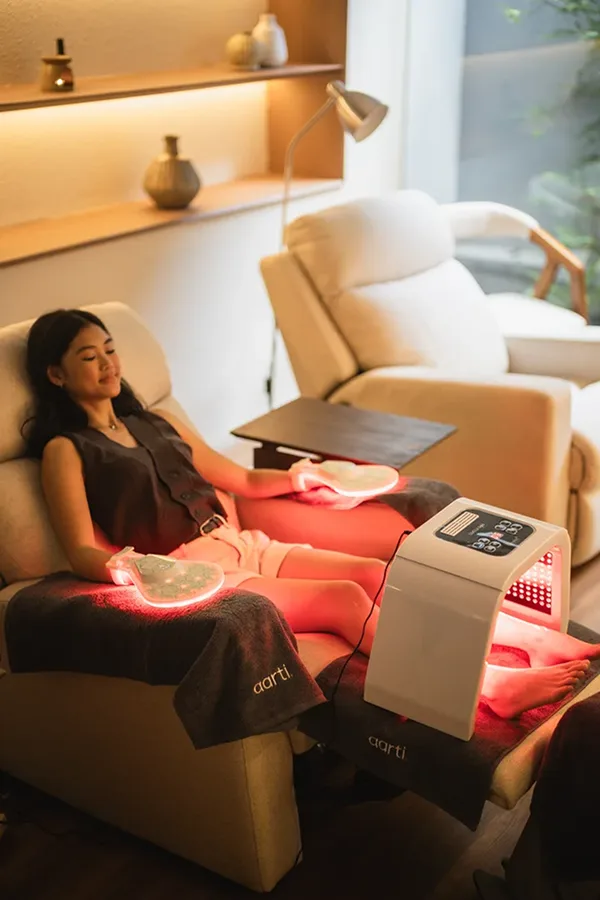
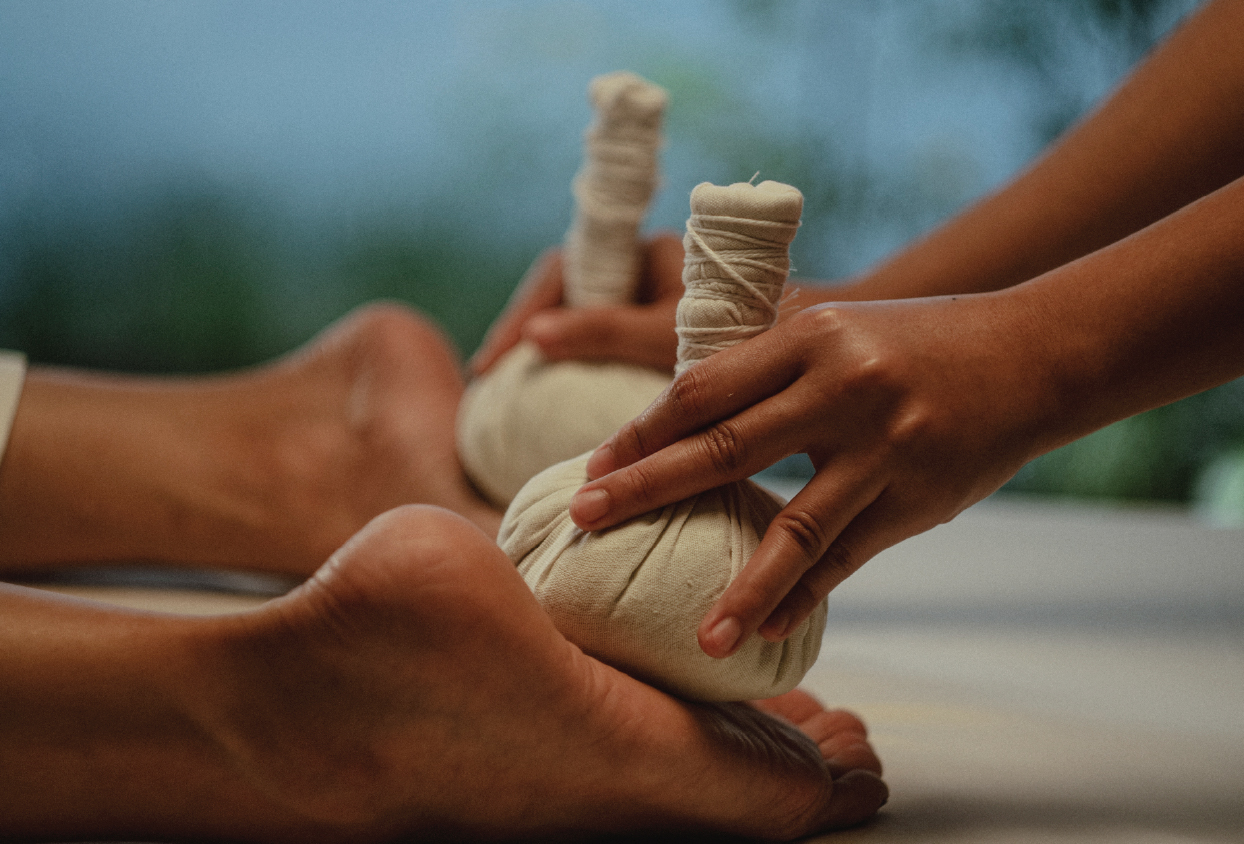
Various techniques used during spa treatments help stimulate blood flow, allowing tissues to receive improved oxygen and nutrient supply.
This is often associated with the refreshed and energized feeling many people experience after their treatment.
Improved circulation can also help the body feel warmer and more comfortable, particularly for individuals who experience muscle tightness from demanding daily routines.
The Body Reduces Stress Hormone Production
Many people visit a spa not because they are physically ill but because they feel mentally exhausted.
This makes perfect sense because stress affects far more than the mind. It influences multiple systems throughout the body.
When someone experiences prolonged stress, the body produces higher levels of stress hormones.
Over time, this can contribute to difficulty sleeping, persistent fatigue, reduced concentration, and changes in mood.
Spa treatments create an environment that naturally supports relaxation, allowing the body to reduce stress levels more effectively.
As stress hormones decrease, the body relaxes and the mind feels lighter. Many people describe this sensation as an overwhelming sense of relief after their spa session.
Breathing Becomes More Relaxed
When people are stressed or rushing through their day, they often breathe more shallowly without realizing it.
This breathing pattern keeps the body in an alert state and makes deep relaxation more difficult.
During a spa treatment, breathing naturally becomes slower and deeper.
This seemingly simple change has significant benefits. More controlled breathing helps increase oxygen delivery throughout the body while supporting a more balanced nervous system.
As a result, both the body and mind feel calmer once the treatment is complete.
Read more: Slow Living and Its Connection to Mental Health: Why More People Are Slowing Down Their Pace of Life
Your Skin Receives the Care It Needs
Beyond relaxation, spa treatments also provide meaningful benefits for the skin.
Daily exposure to pollution, sunlight, stress, and environmental factors can gradually affect skin health.
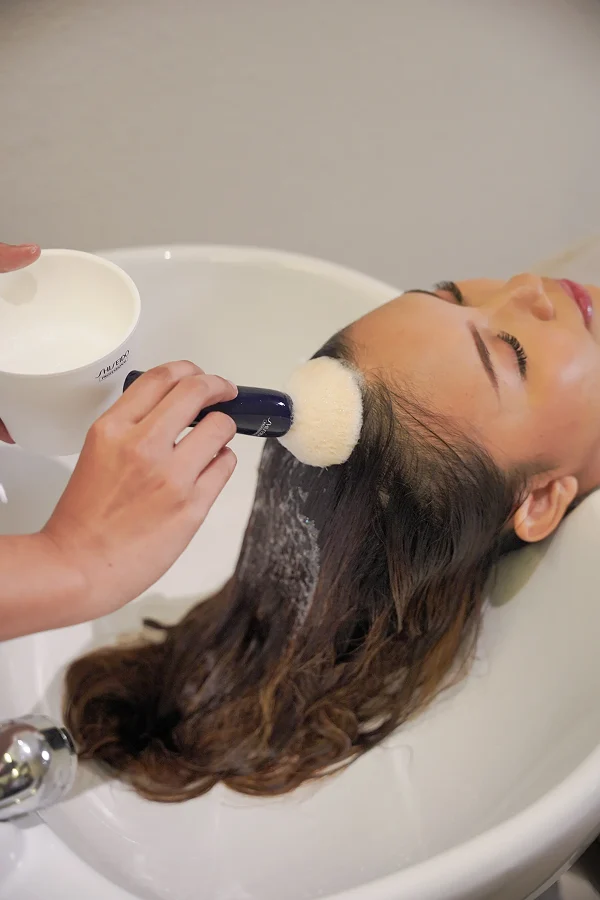
Treatments such as body scrubs, facials, and body therapies help remove dead skin cells while supporting the skin’s natural renewal process.
As the skin feels cleaner and healthier, many people also experience greater confidence and improved overall comfort with their appearance.
This is one reason why spa treatments contribute not only to physical wellbeing but also to emotional wellness.
The Mind Finally Has a Chance to Rest
In today’s world of constant notifications and distractions, genuine moments of quiet have become increasingly rare.
Many people may be physically resting while their minds continue working without interruption.
Spa treatments provide a rare opportunity to disconnect from work, social media, and daily responsibilities.
The mind is given space to slow down and focus on the present moment instead of constantly reacting to external demands.
This is why many people feel mentally refreshed after a spa session, even though they may have spent the entire treatment simply lying down and relaxing.
Better Sleep Often Follows
One of the most commonly reported benefits after a spa treatment is improved sleep later that evening.
When the body successfully releases both physical and mental tension, falling into restorative sleep often becomes much easier.
The body is no longer carrying excessive stress, while the nervous system remains in a calmer state.
Together, these changes create ideal conditions for the body’s natural overnight recovery process.
For people with demanding schedules, this benefit alone is often enough to make spa treatments a regular part of their self care routine.
Read more: The Connection Between Massage and Sleep Quality
Spa as Part of a Wellness Lifestyle
Today, spa treatments are no longer viewed solely as luxury experiences reserved for special occasions.
More people understand that the body requires consistent care and recovery to function at its best.
Just as exercise supports physical fitness and healthy nutrition promotes overall health, spa treatments can become an important part of a comprehensive wellness lifestyle.
When combined with healthy sleep habits, regular physical activity, and effective stress management, the benefits become even greater.
Giving Your Body Time to Recover
Understanding what happens to your body during a spa treatment helps reveal that its benefits extend far beyond temporary relaxation.
Throughout the treatment, the body experiences numerous positive responses, including reduced muscle tension, greater physical comfort, improved circulation, and lower stress levels.
In today’s increasingly busy world, taking time to care for yourself is not a luxury. It is an essential part of maintaining balance and long term wellbeing.
If your body feels tired, tense, or simply needs time to recover, making time to enjoy a wellness experience at Aarti Wellness can be a meaningful way to help both your body and mind regain the comfort and balance that are often lost in the demands of everyday life.