
Table of Contents
ToggleMany people try to fix their sleep by adding more hours or switching pillows. But if the body is still tense and the mind is still spinning while lying down, the shift from being awake to being asleep still feels like leaping across too wide a gap.
Physical relaxation, the process of consciously lowering physical and mental tension, can act as a bridge that narrows that gap. Physical relaxation isn’t just about forcing yourself to sleep, but about preparing the conditions so sleep comes more easily and more deeply.
How exactly does relaxation affect sleep quality? Below is the full discussion.
Also Read: How to Improve Sleep Quality with Head Massage
Why a Tense Body Struggles to Sleep Soundly
To enter a restorative sleep phase, the body needs to shift from the sympathetic nervous system (which governs the alert response) to the parasympathetic nervous system (which governs recovery). This shift doesn’t happen automatically if your body is still carrying tension from throughout the day.
Tense muscles, shallow breathing, and still-high cortisol levels all signal to the brain that the environment isn’t yet safe to rest in. As a result, the sleep that follows tends to be low quality: the body lies down but never truly enters a deep recovery stage.
Relaxation works by reversing those signals. When the muscles release tension, the breath slows its rhythm, and the body feels supported, the brain receives the message that the demanding phase has ended and the recovery phase may begin.
3 Ways Relaxation Improves Sleep Quality
The relationship between relaxation and sleep works through several pathways at once. Here are its three main mechanisms:
-
Lowering Cortisol and Activating the Rest Response
Physical and mental tension keeps cortisol levels high. Relaxation techniques, from deep breathing to gentle stretching, help lower this hormone and activate the parasympathetic nervous system.
A meta-analysis of 31 randomized clinical trials published in the Journal of Psychosomatic Research in 2026 found that progressive muscle relaxation significantly improved sleep quality across various populations, while also reducing anxiety levels and improving quality of life.
-
Releasing Unnoticed Muscle Tension
Throughout the day, the body builds up tension in areas you often don’t notice: the jaw, shoulders, lower back, and hips. That tension can carry over into bed and disrupt the body’s ability to fully relax during sleep.
Techniques such as progressive muscle relaxation (tensing then releasing muscle groups one by one) help the body recognize where tension is being held and release it gradually. The process is simple, can be done in bed, and requires no equipment at all.
-
Shortening the Time It Takes to Fall Asleep
When the body is already in a relaxed state before lying down, the transition from being awake to being asleep happens faster. A mind that has already slowed doesn’t need to spend 30 to 60 minutes spinning before finally drifting off.
Some techniques, especially those involving an exhale longer than the inhale, directly activate the vagus nerve and speed up this shift.
Relaxation Techniques You Can Try Tonight
Relaxation before bed doesn’t have to be complicated or lengthy. A few simple practices you can start with are:
- 4-6 breathing. Inhale for 4 seconds, exhale for 6 seconds. Repeat 5 to 10 cycles. A longer exhale directly activates the rest response.
- Progressive muscle relaxation. Lie down, then tense one muscle group (starting from the feet) for 5 seconds, then release. Move slowly upward to the face. The whole process takes around 10 minutes.
- Cut screens, focus on stillness. 30 minutes before bed, replace screens with an activity that doesn’t require active processing from the brain: reading a physical book, listening to soft music, or simply sitting quietly.
If the three practices above are done consistently, the body starts recognizing the pattern as a “sleep signal.” Over time, the transition from being awake to being asleep becomes shorter and sleep quality improves gradually.
Also Read: Benefits of Aromatherapy Massage for Restful Sleep
Make Relaxation at Aarti Wellness Your Bridge to Better-Quality Sleep
Physical relaxation improves sleep quality by lowering cortisol, releasing muscle tension, and shortening the time it takes to fall asleep.
The relationship runs one way: a relaxed body sleeps more soundly, not the other way around.
If you want to practice relaxation in a more structured setting, the classes Yin for A Better Sleep and Restorative at Aarti Wellness Club Menteng are designed to help the body shift from a tense state into a sleep-ready one.
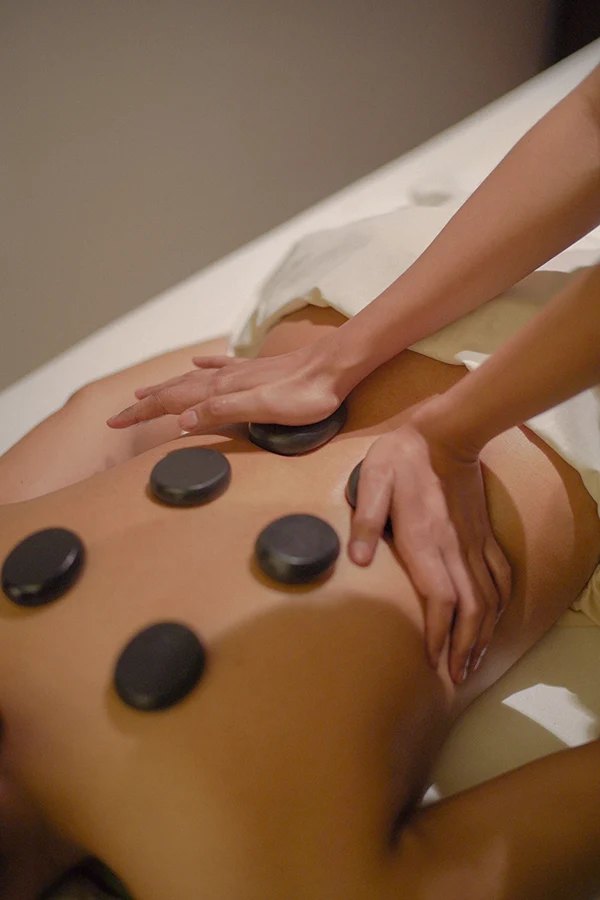
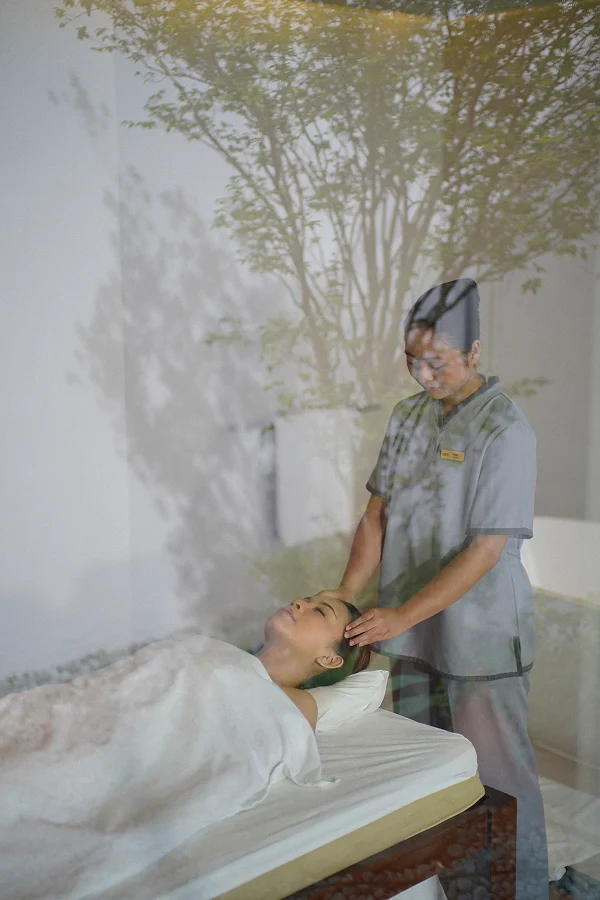
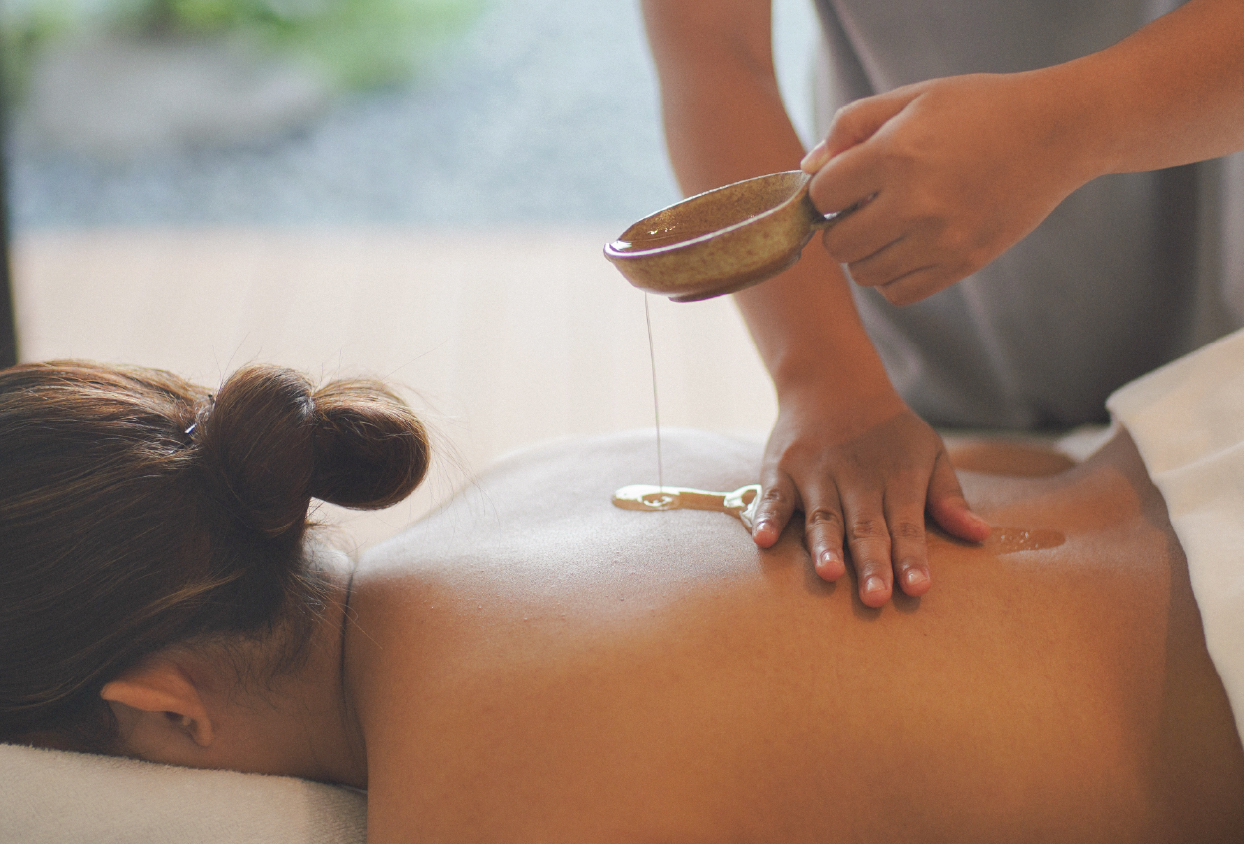
Beyond classes, an evening massage session can become a weekly ritual that helps the body release the tension built up during the workday, so your night’s sleep works more effectively.
Book your visit to Aarti Wellness here.
References
- Ogasawara Donato, K., et al. (2026). Progressive Muscle Relaxation Technique Improves Sleep Quality and Mental Health: A Systematic Review and Meta-Analysis. Journal of Psychosomatic Research, 203, 112563.
- Doorley, J., et al. (2021). The Role of Mindfulness and Relaxation in Improved Sleep Quality Following a Mind-Body and Activity Program. Mindfulness, 12(11), 2672-2680.
- Trihandayani, Y. (2024). Analysis of the Effect of Relaxation Techniques on Sleep Quality in Patients with Sleep Disorders. International Journal of Nursing and Midwifery Research, 2(3), 88-95.