
Table of Contents
ToggleBusy schedules often make people accustomed to ignoring the signals their bodies are sending. Waking up early, working all day, attending meetings, meeting targets, and then repeating the same routine the next day can make fatigue seem normal.
In reality, the body has its own way of telling you when it is time to slow down. Unfortunately, these signs are often ignored because they seem unimportant or are viewed as a natural consequence of a busy lifestyle.
If this continues, exhaustion can affect more than productivity. It can impact physical health, mental wellbeing, and overall quality of life. Recognizing the signs your body needs a pause can be the first step toward maintaining a healthier and more sustainable balance in life.
Signs Your Body Needs a Pause Are Not Limited to Feeling Tired
Many people believe the body only needs rest when they feel extremely exhausted. In fact, fatigue is just one of many signals that may appear.
The body has a complex system for letting you know when your energy reserves are running low. These signals can appear physically, emotionally, or mentally. In some cases, a person may not feel severely tired, yet their body is already operating beyond healthy limits.
Understanding the signs your body needs a pause can help prevent long term exhaustion while supporting overall wellbeing before more serious problems arise.
You Feel Tired Even After Getting Enough Sleep
Sleeping seven to eight hours should help restore your energy. However, if you still wake up feeling sluggish, heavy, or unmotivated, it may be a sign that your body needs a break.
This often happens when the body and mind have been under pressure for an extended period. While you may be physically asleep, your nervous system and mind may still be working hard due to accumulated stress and fatigue.
Many working professionals experience this situation. They feel as though they have rested enough but still rely on multiple cups of coffee just to stay focused throughout the day.
When this continues for a long time, your body may be asking for more comprehensive recovery rather than simply more hours of sleep.
Read more: Why Do You Still Feel Tired Even After Getting Enough Sleep? Common Causes You May Not Realize
Your Emotions Feel More Sensitive Than Usual
The body and mind are closely connected. When energy levels begin to decline, emotional changes are often among the first signs to appear.
You may find yourself becoming more irritable, less patient with small issues, or feeling overwhelmed by situations that would normally be manageable.
When the body remains under prolonged stress, the hormones responsible for regulating mood can become imbalanced. As a result, emotional reactions may feel more intense than usual.
If you have recently found yourself becoming more easily frustrated, anxious, or unmotivated without a clear reason, your body may be signaling that it is time to slow down and make space for recovery.
Your Body Frequently Feels Sore and Tense
Not all exhaustion feels like sleepiness. Many people carry fatigue in their muscles and body tissues.
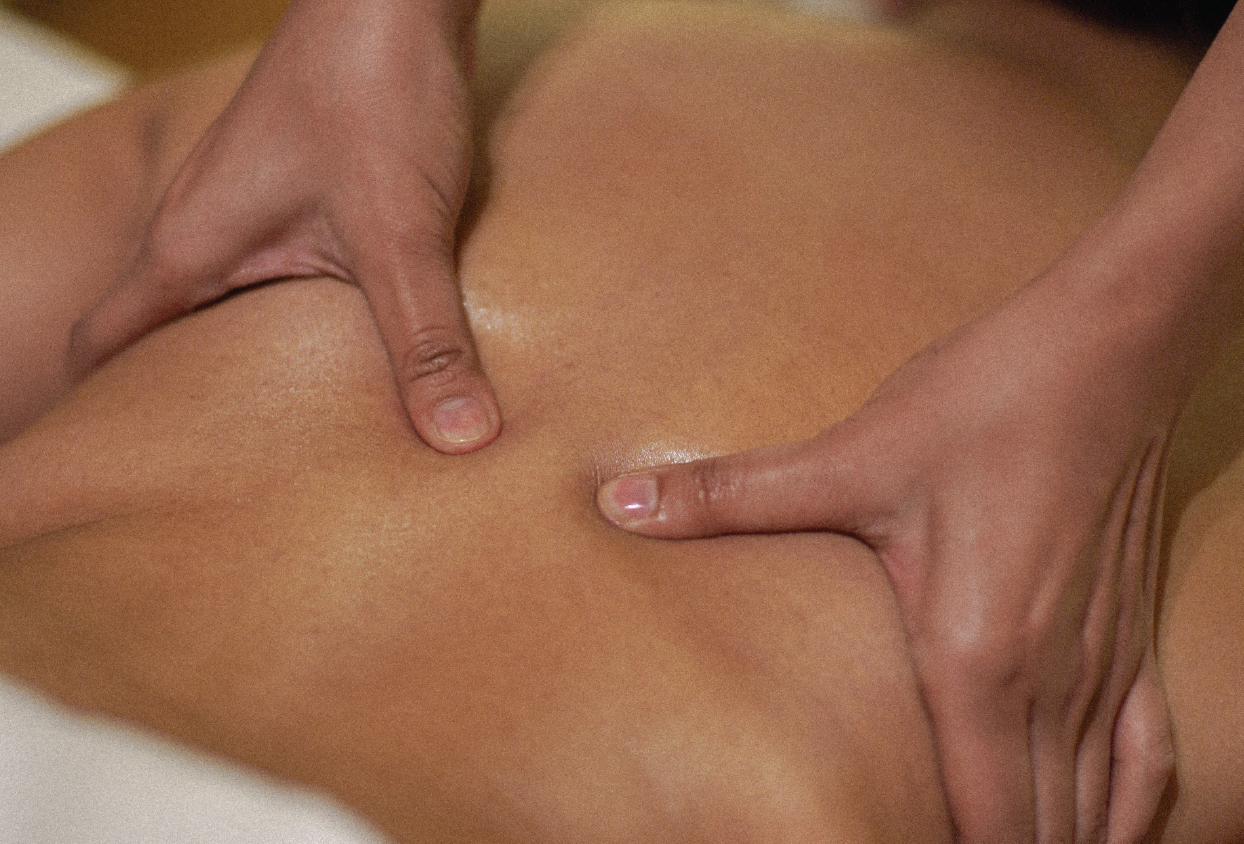
The neck, shoulders, back, and lower back are among the areas most likely to store tension caused by stress and daily activities, especially for people who spend long hours sitting at a desk.
At first, this tension may feel like mild soreness. However, when ignored, the body can become stiff, movement can feel uncomfortable, and fatigue can appear even when physical activity is relatively light.
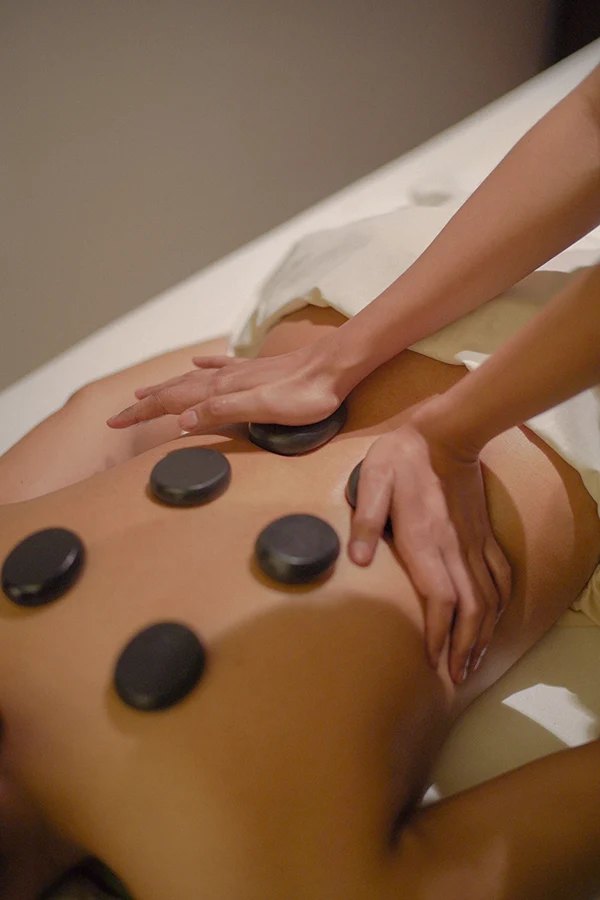
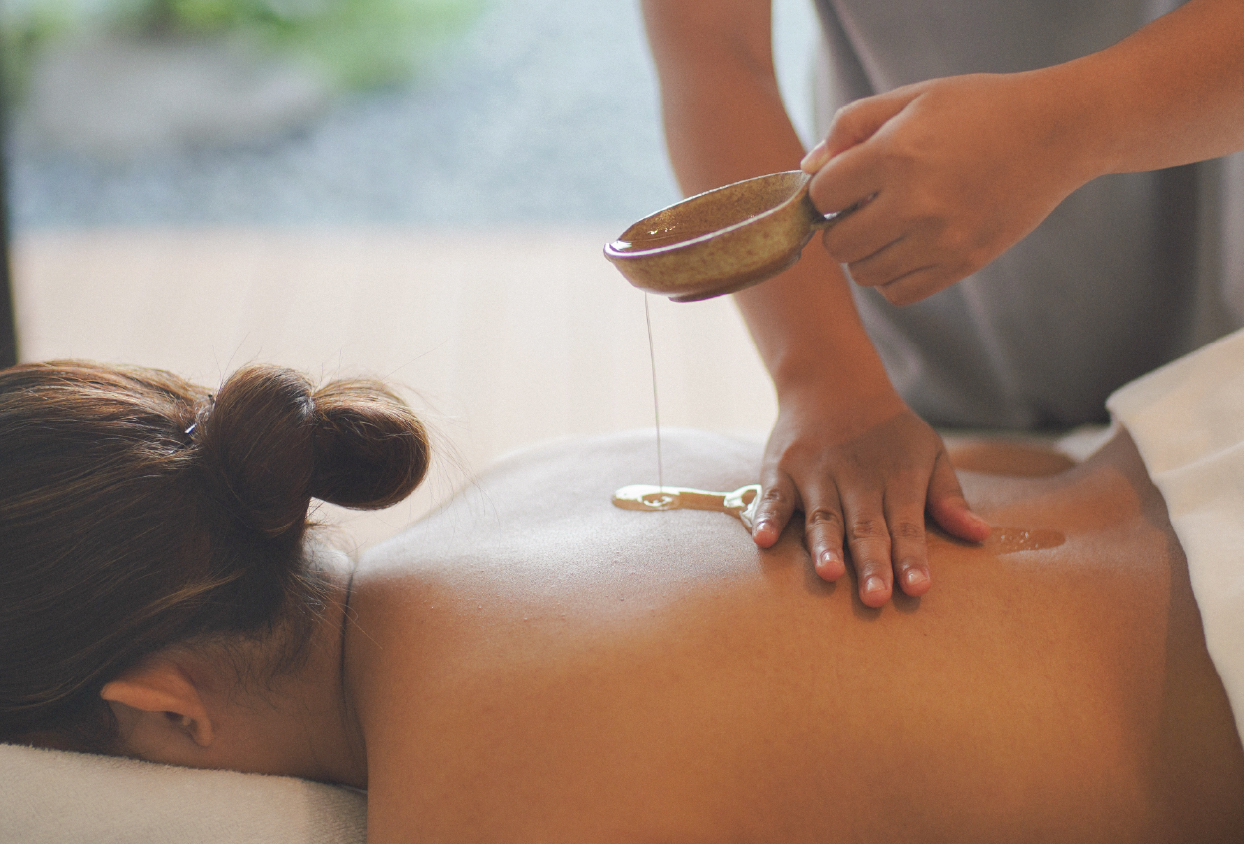
This is one reason many people feel refreshed after a massage or body treatment. As muscle tension decreases, the body can move more comfortably and feel more relaxed.
Read more: How Yoga Helps Reduce Muscle Tension and Promote Relaxation
Difficulty Concentrating and Declining Productivity
Working longer does not always mean working more effectively. When the body and mind are exhausted, the ability to concentrate often declines as well.
You may find yourself forgetting things more often, taking longer to complete tasks, or struggling to make simple decisions.
This is often mistaken for a lack of motivation. In reality, the underlying cause is frequently a body that has been working too long without sufficient recovery.
Ironically, the more you force yourself to remain productive, the greater the likelihood that your performance will decline. Taking time to pause is often a more effective way to restore focus and creativity.
Activities You Once Enjoyed Start to Feel Like a Burden
There are times when people lose enthusiasm for activities they once enjoyed. Meeting friends, exercising, reading, or pursuing hobbies may start to feel like additional responsibilities.
If this continues for an extended period, it may indicate deeper physical and mental exhaustion.
When energy levels are low, the brain tends to prioritize basic functions. As a result, interest in enjoyable activities may begin to fade.
Allowing yourself time to rest and engage in activities that support relaxation can help gradually restore that balance.
Your Body Needs Quality Pauses, Not Just Time Off
When people hear the word “pause,” they often imagine taking a long vacation. In reality, your body does not always need a distant getaway to recover.
What matters most is the quality of the break you give yourself.
Some people still feel exhausted while on vacation because their minds remain occupied with work, pressure, or unresolved worries.
A quality pause means giving both the body and mind the opportunity to genuinely rest. This may involve getting enough sleep, reducing screen time, participating in calming activities, or setting aside time to focus on yourself.
This is why self care has become increasingly important in modern lifestyles. Self care creates space for the body to recover energy more effectively.
Yoga and Pilates Help the Body Regain Balance
One of the most popular ways to help the body reset is through activities that combine physical movement with mental awareness.
Yoga and Pilates have become popular because they offer benefits that go beyond traditional exercise.
The movements help improve flexibility, support better posture, and reduce muscle tension. At the same time, breathing exercises help calm a nervous system that may have been working overtime.
Many people experience positive changes after regularly attending yoga or Pilates classes. Their bodies feel lighter, sleep quality improves, and stress becomes easier to manage.
These activities also provide an opportunity to step away from daily demands and focus on the body’s needs.
Read more: Benefits of Pilates for Body Flexibility and Better Movement
The Importance of Creating Space for Relaxation
In a fast paced world, relaxation is often viewed as something that can be postponed. In reality, relaxation is just as important as work and productivity.
The body needs moments to release tension, slow down, and recharge the energy used throughout the day.
Relaxation looks different for everyone. Some people feel calmer after yoga, massage, meditation, or simply spending time without notifications and work demands.
What matters most is finding activities that help both the body and mind reach a more balanced and relaxed state.
Listen to Your Body Before It Forces You to Stop
The signs your body needs a pause often appear long before serious health issues develop. Persistent fatigue, emotional sensitivity, physical tension, and declining focus are all signals that should not be ignored.
Giving yourself time to pause does not mean giving up on your responsibilities. On the contrary, it is a way of caring for yourself so you can continue living and working with better energy and improved wellbeing.
Start by paying attention to what your body is feeling today. Sometimes, what you need is not to work harder, but to create space to breathe, move more mindfully, and enjoy moments of relaxation that help restore balance to both body and mind.