
Table of Contents
ToggleNails often only get attention when being polished or trimmed. Yet changes in nail color, texture, and shape can be early signals that something needs attention, whether in daily care habits or in overall health.
This article covers eight common signs of problem nails, their possible causes, and when you need to consult a doctor versus when routine care is sufficient.
Also Read: Why Nails Need Regular Care
Nail Color Changes and What They Mean
The color of healthy nails is generally an even pink with a smooth surface. When color changes consistently over several weeks and is not caused by impact or nail polish, it is worth investigating the cause.
1. Yellowing Nails
The most common cause is a fungal infection, especially if the nail also thickens and becomes brittle. Using dark-colored nail polish without a base coat can also leave yellow stains, but these are usually only on the surface and will disappear as the new nail grows in.
In rare cases, yellow nails accompanied by very slow growth may indicate a thyroid disorder or lung problems.
2. Pale or White Nails
If the entire surface of your nail appears paler than usual, the likely cause is anemia or a nutritional deficiency.
Nails that are almost entirely white with a thin pink line at the tip, known as Terry’s nails, may be associated with liver disorders or diabetes.
3. Dark Vertical Lines on Nails
A brown or black line that extends from the cuticle to the nail tip and does not disappear as the new nail grows should be examined by a dermatologist.
Although not always dangerous, this line can be a sign of subungual melanoma, a type of skin cancer that grows beneath the nail. The earlier it is examined, the better the chances of treatment.
5 Nail Texture and Shape Changes to Pay Attention To
Healthy nails grow with a smooth surface and a natural curve. Changes in texture or shape often reflect certain habits or nutritional deficiencies, though some conditions can indicate more serious disorders.
1. Brittle Nails That Break Easily
Brittle nails that break easily are a common complaint. Nails that are dry, cracking, or peeling are usually caused by repeated exposure to water and chemicals, such as dish soap or acetone-based nail polish remover. Deficiency in iron, biotin, or vitamin B can also weaken nail structure from within.
2. White Spots on Nails
Small white spots scattered across the nail surface are generally harmless. The most common cause is minor impact to the nail that occurred a few weeks earlier.
These spots will disappear on their own as the nail grows and do not require special treatment.
3. Wavy Nails
Fine vertical lines that run from the base to the tip of the nail are a natural part of the aging process and usually do not need to be a cause for concern.
However, deep horizontal lines, known as Beau’s lines, can indicate that nail growth was temporarily halted due to severe illness or intense physical stress.
4. Spoon-Shaped Nails
Nails that curve upward in the center, appearing concave (a condition known as koilonychia) are often a sign of iron deficiency. If this shape appears on more than one nail, have your iron levels checked through a simple blood test.
5. Nails Separating from the Nail Bed
This condition is called onycholysis, where the nail plate begins to separate from the nail bed beneath it. The separated area usually changes color to white or yellowish.
Causes can include injury, fungal infection, thyroid disorders, or a reaction to certain nail care products.
When Should You See a Doctor and When Is Routine Care Enough?
Not all nail changes require a doctor’s visit. White spots, brittle nails from chemical exposure, and fine vertical lines can generally be addressed by improving care habits, maintaining nutritional intake, and reducing direct contact with irritating substances.
Wearing gloves when washing dishes or cleaning the house also helps protect nails from further damage.
However, certain nail changes do require medical evaluation:
- New dark lines that have never appeared before, or that change in size and color.
- Nails separating without any history of injury or impact.
- Color or shape changes accompanied by other symptoms such as fatigue, weight loss, or skin around the nail that is swollen and feels warm.
- Spoon-shaped nails on more than one finger.
As a general guide, if the change occurs gradually, affects only one or two nails, and is not accompanied by pain or symptoms in other parts of the body, you can start by improving your routine care.
If the change occurs suddenly, involves many nails at once, or is accompanied by systemic complaints, consult a doctor promptly.
Also Read: How to Prevent Nail Damage from Daily Activities
Professional Nail Care at Aarti Wellness Wijaya
Nails that are brittle, dry, or frequently problematic need more attention than just a fresh coat of polish. Routine care at home is important, but nails and cuticles that are already damaged often require more comprehensive treatment.
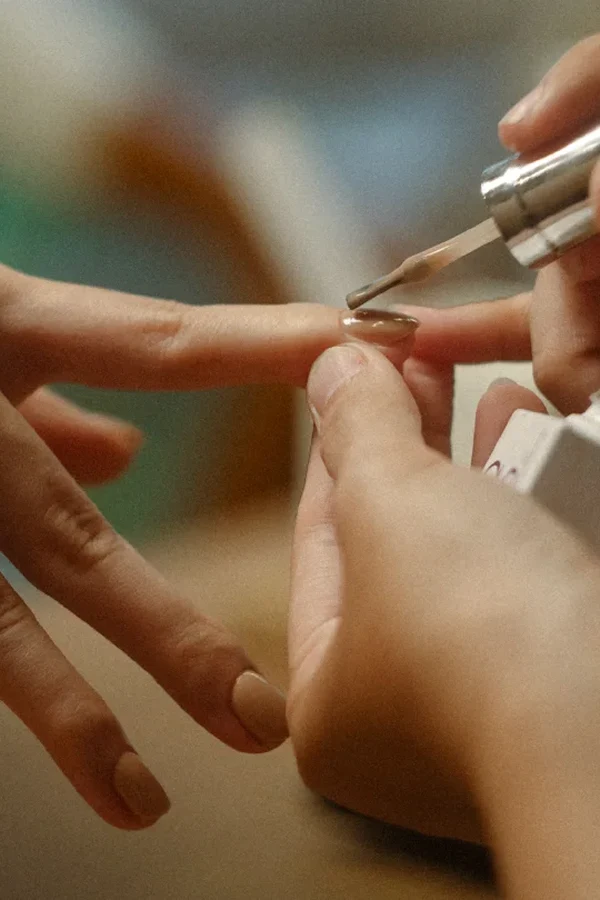
Professional care that includes cleansing, cuticle treatment, exfoliation, and massage helps restore the condition of nails and the surrounding skin.
At Aarti Wellness Wijaya, Spa Manicure provides comprehensive care for hands and nails, from cleansing to massage that improves circulation in the fingers and palms.
For feet, Spa Callus Pedicure includes a similar sequence plus specialized treatment to smooth rough areas.
Both treatments above can be complemented with your choice of gel color or nail art according to your preference. For more information and reservations, please visit the Aarti Wellness Nail page.