
Table of Contents
ToggleYour eyes have just opened, you haven’t even had time to think about anything, yet your chest already feels tight. The mind races straight to the pile of tasks, the unresolved worries, or simply a heaviness with no name.
If you’ve ever experienced that feeling, you’re not alone. That uneasy sensation also has a biological explanation behind it.
Morning anxiety is not simply a matter of an overactive mind. The body has a hormonal mechanism that makes the first moments after waking a time when anxiety surfaces more easily.
The good news: understanding the mechanism behind morning anxiety is the first step toward changing how your day begins.
What actually happens inside the body, and what can be done to ease morning anxiety? Here is the discussion.
Also Read: How Yoga Helps Calm the Mind
Why Do Mornings Often Feel Heavier?
In the first 30 to 45 minutes after waking up, the body undergoes what is called the Cortisol Awakening Response (CAR), a significant cortisol surge designed to help you shift from sleep to a wakeful state. This is an entirely normal process experienced by everyone.
The problem appears when your nervous system is already in a sensitive state, whether from prolonged stress, poor sleep quality, or accumulated anxiety.
Under those conditions, the cortisol surge that should feel like a gentle alarm is instead interpreted by the body as an emergency signal. The heart rate rises, the muscles tense, and the mind starts racing before you’ve even moved from the bed.
Then there’s another factor that often goes unnoticed: blood sugar.
After hours without eating during sleep, blood sugar levels sit at their lowest point. The body releases adrenaline to compensate for this drop, and the symptoms (a pounding heart, sweaty palms, a restless feeling) closely resemble anxiety.
What makes this morning anxiety cycle hard to break is that once the brain begins associating waking up with anxiety, it learns to predict and prepare for that surge even before you fall asleep.
Sleep is disrupted, and the next morning feels heavier still.
5 Things That Can Help Ease Morning Anxiety
Morning anxiety does have a strong biological basis, but that doesn’t mean it can’t be managed.
Curious about how to manage morning anxiety properly? Here are five small changes that can shift the way the body responds to those first moments after waking:
-
Don’t Open Your Phone for 20 to 30 Minutes After Waking Up
Reaching for your phone the moment your eyes open means flooding a still-vulnerable nervous system with notifications, news, and demands from the outside.
Give yourself a brief pause. Let the body stabilize first before receiving any external stimulus.
-
Regulate Your Breath Before Moving
Before getting out of bed, try inhaling for 4 seconds, holding briefly, then exhaling for 6 seconds.
An exhale longer than the inhale activates the parasympathetic nervous system, the part responsible for calming the body. Just a few cycles of this regulated breathing can already lower the heart rate and reduce the excessive “on alert” sensation.
-
Eat First, Caffeine Later
Drinking coffee before eating can amplify the cortisol surge and worsen the physical symptoms of anxiety.
Prioritize a breakfast containing protein and complex carbohydrates within the first hour after waking. Eating breakfast in the morning can also help stabilize blood sugar and reduce the emergency signals the body sends.
-
Move Gently, Not Intensely Right Away
Light physical activity such as walking, stretching, or a few minutes of yoga movement helps the body metabolize excess cortisol.
There’s no need for a heavy workout; what matters is giving the body a signal that the situation is safe and under control.
-
Feel the Sensation, Don’t Fight It
One of the biggest traps of morning anxiety is trying to force it away. Fighting the feeling often only makes it stronger.
A more fitting approach is to recognize the physical sensations you feel (a fast heartbeat, tense muscles) as a hormonal response that will subside on its own. Remember, morning anxiety is not a sign that something is wrong, but a condition in which the body is still adjusting.
When Should You Reach Out for Professional Help?
The five approaches above can help if your morning anxiety is situational, meaning it appears during periods of high stress and eases when the pressure lessens.
However, if the anxiety shows up almost every morning, is hard to control, and starts to interfere with your ability to go about your activities, this may be a sign that the body needs support beyond a change in routine.
Don’t hesitate to seek professional help regarding excessive morning anxiety. A psychologist or psychiatrist can help you understand and manage the condition on a deeper level.
Also Read: The Connection Between Physical Relaxation and Mental Health
Start Your Morning More Calmly With Aarti Wellness
Morning anxiety has real biological roots, from a cortisol surge to a drop in blood sugar. By understanding its mechanism and applying small changes to your waking routine, the body can gradually learn to shift from an “on alert” response to a calmer state.
If you need a space to begin your mornings in a more structured and calmer way, Aarti Wellness Club Menteng offers several classes designed to calm your nervous system.
From Slow Flow & Meditation and Restorative, which focus on stillness, to Yin for A Better Sleep, which can help improve your sleep quality; one of the most influential factors in morning anxiety.
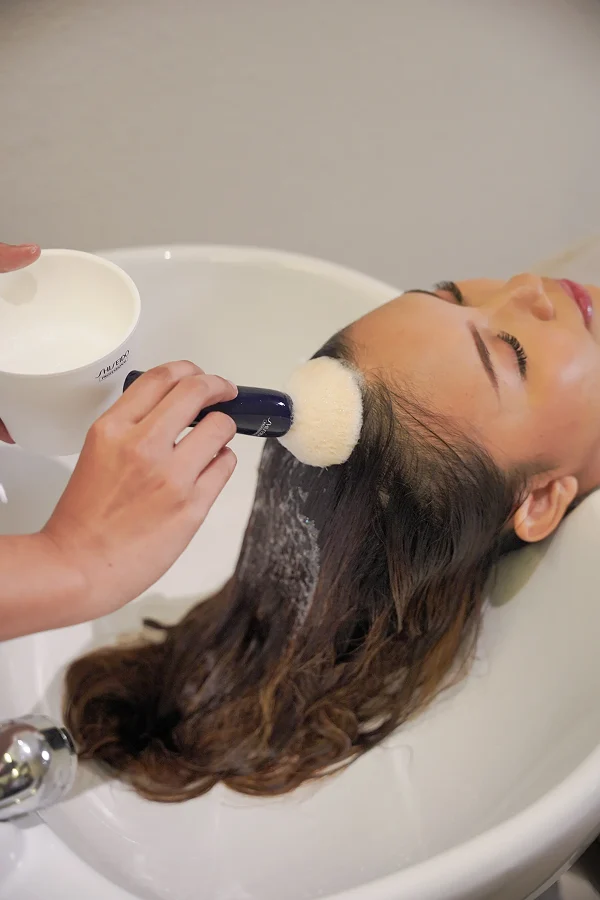
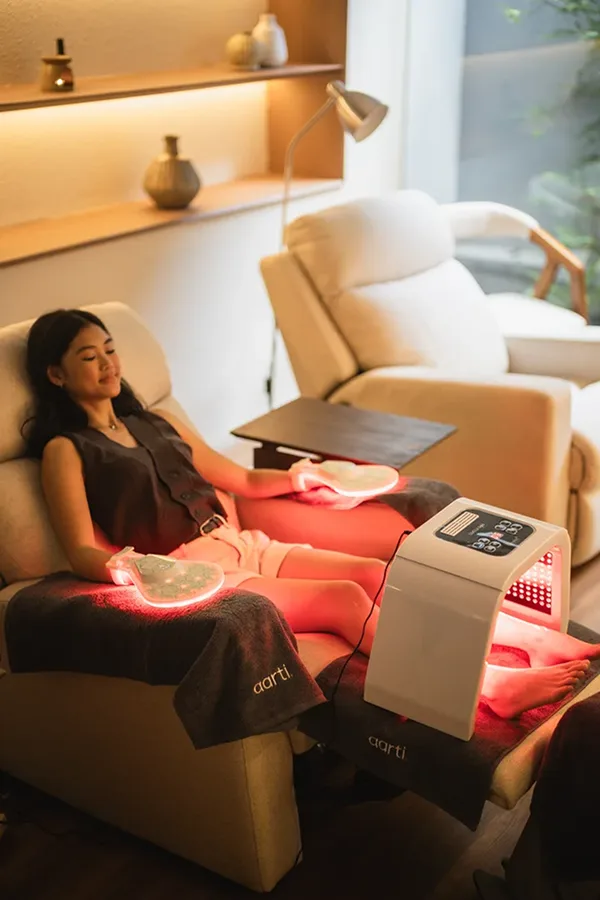
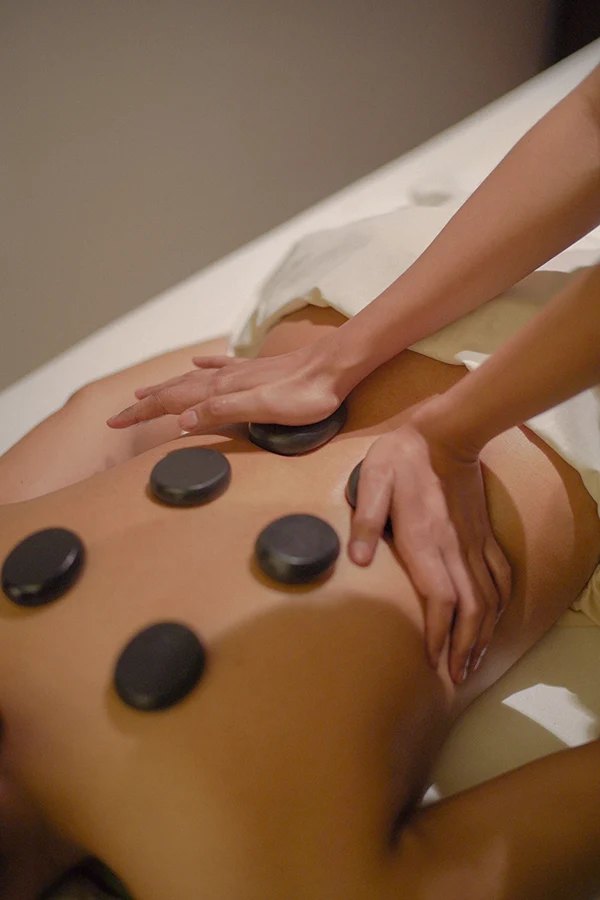
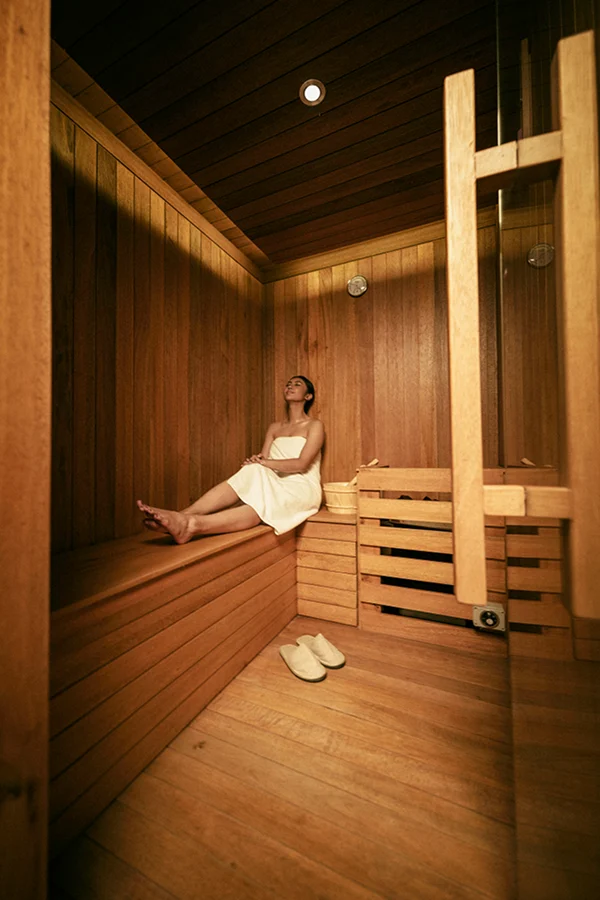
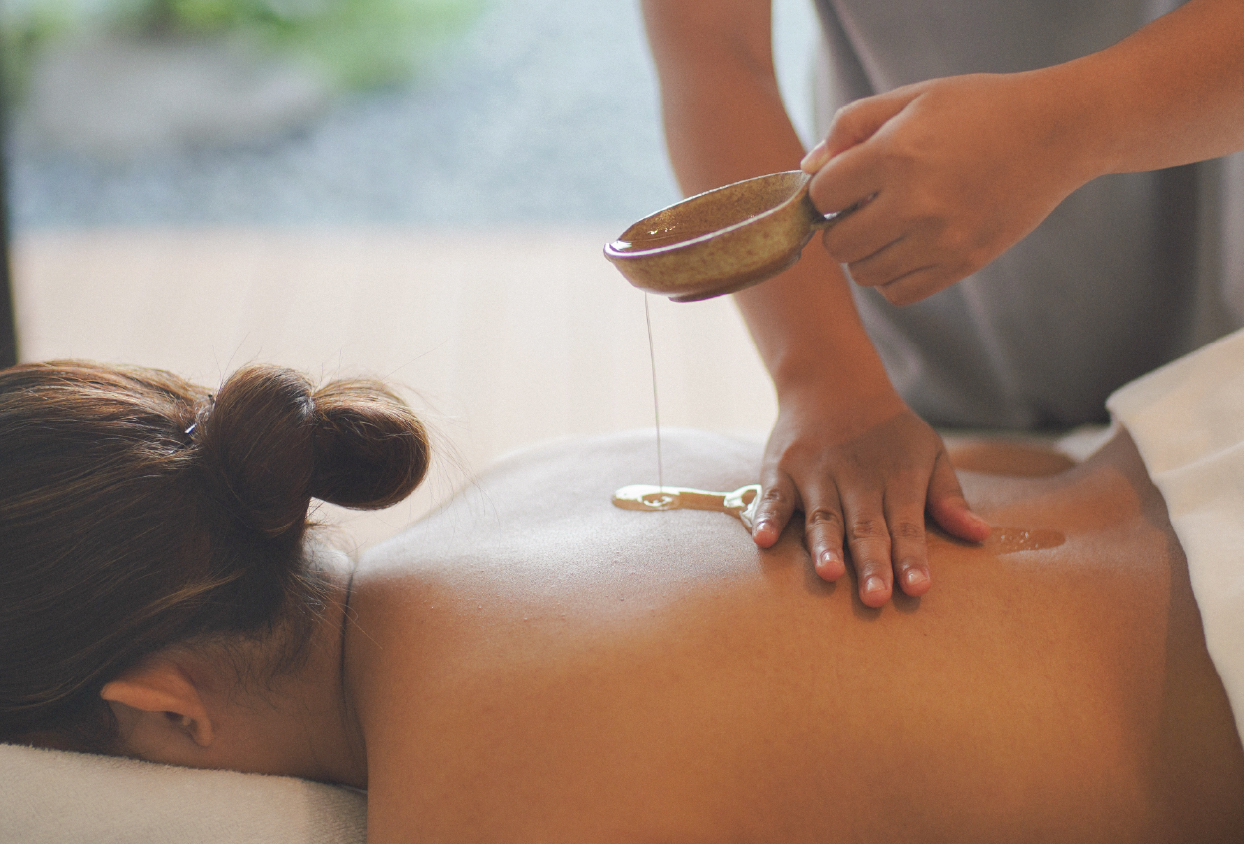
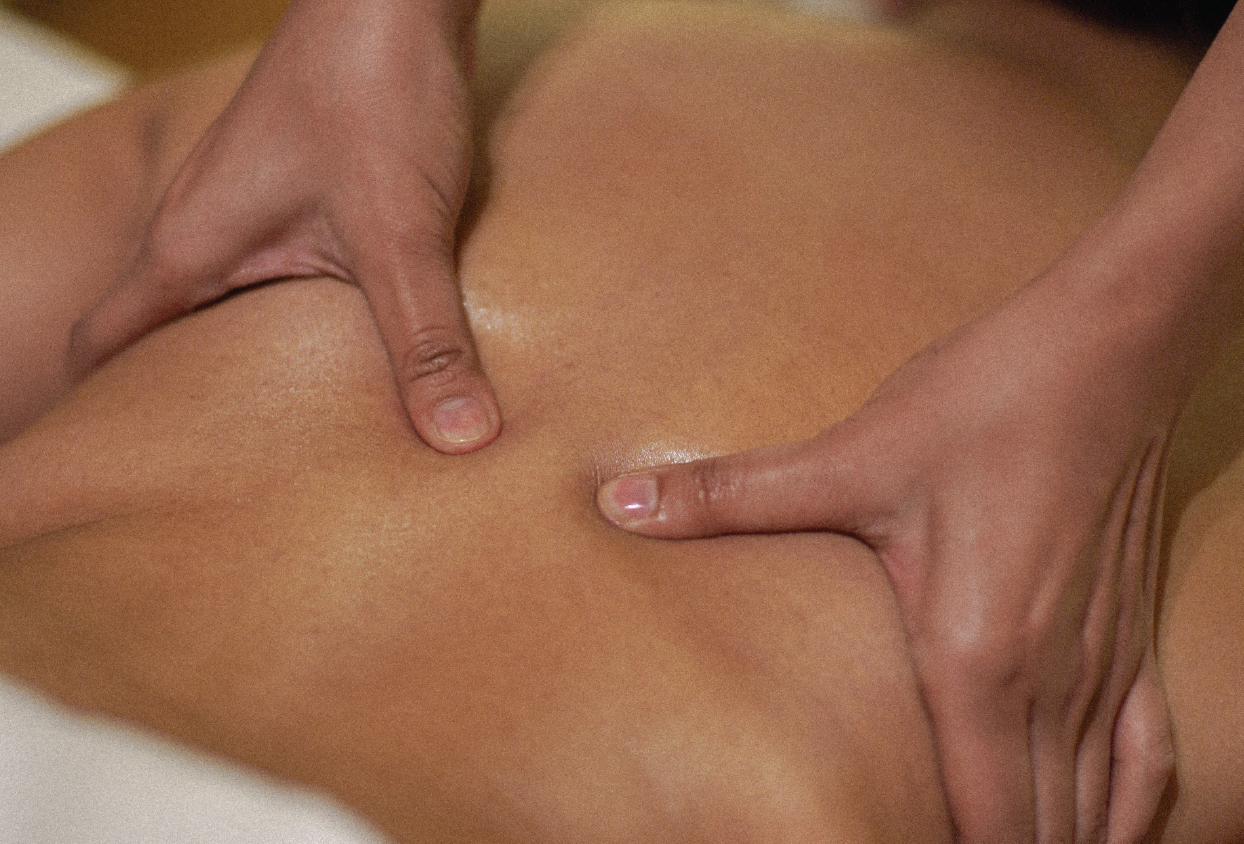
Beyond those class schedules, the spa and massage offerings at Aarti Wellness Club can also be the kind of care your body needs amid a packed routine.
Spa and massage cannot replace the role of professional help, but they can serve as one way to give your body time to return to a more balanced state.
Book your visit to Aarti Wellness Club now.
References
- Healthline. (n.d.). Why Do I Have Anxiety in the Morning? Accessed from healthline.com
- Serenium Wellness. (n.d.). How to Break the Cycle of Morning Anxiety. Accessed from sereniumwellness.com
- East Point Behavioral Health. (n.d.). Why Anxiety Can Feel Worse in the Morning. Accessed from eastpointbehavioralhealth.com
- Holland & Barrett. (2024). 6 Ways to Manage Morning Anxiety. Accessed from hollandandbarrett.com