
Table of Contents
ToggleMany people consider a facial merely a pampering treatment. In reality, a professional facial involves a series of steps designed to cleanse, nourish, and support overall skin health.
The following informative article covers the five main benefits of facial treatments, what happens during the process, and when is the right time and how often you should get one.
Also Read: Why Exfoliation Is Important for Facial Skin
What Happens to Your Skin During a Facial Session?
A professional facial is not simply applying cream to your face. The process begins with an analysis of your skin condition to determine the appropriate products and techniques. The therapist will assess moisture levels, sensitivity, and areas requiring special attention.
The cleansing stage uses a double cleansing method to thoroughly remove makeup, dirt, and sunscreen residue. Afterward, exfoliation is performed to shed dead skin cells from the surface.
Once the skin is clean, it receives serums or concentrated ampoules with active ingredients tailored to your needs.
Your facial session is typically completed with a facial massage to stimulate circulation, a mask for intensive nourishment, and finished with sun protection. Each stage has a specific function, and the results you feel after a facial are the cumulative effect of this entire sequence.
Deep Pore Cleansing
Daily facial cleansing at home may not always reach the dirt that accumulates deep within the pores.
A professional facial uses more intensive exfoliation and extraction techniques to remove blackheads, excess sebum, and dead skin cells that clog pores (American Academy of Dermatology, 2024).
Clean pores allow your daily skincare products to work more effectively because active ingredients can absorb without being blocked by a layer of impurities.
Cleaner pores are one of the benefits you feel immediately, even after the first session. The skin appears smoother and feels lighter right after the treatment.
Improved Blood Circulation and Skin Nutrition
The facial massage performed during a facial stimulates blood flow to the skin’s surface. Better circulation delivers oxygen and nutrients to skin cells while helping transport metabolic waste from the tissue.
The effect is visible as skin that appears fresher and more radiant after the session. Over the long term, well-maintained circulation supports the skin’s natural repair process and helps maintain a more even skin tone.
Facial massage during the session also provides mild lymphatic drainage in the facial area, which can reduce the appearance of puffiness around the eyes and jawline.
Supporting Cell Regeneration and Cell Turnover
The skin undergoes a natural regeneration cycle every 28 to 40 days, depending on age and health. As we age, the cell turnover process slows down, causing the skin to appear dull and its texture uneven.
Exfoliation during a facial helps accelerate the shedding of dead skin cells on the outermost layer, making room for new cells to rise to the surface.
Active ingredients such as alpha hydroxy acid (AHA) and enzymes gently dissolve the bonds between dead cells without damaging the underlying skin layer (Harvard Health Publishing, 2017). As a result, the skin looks brighter and has a smoother texture after several sessions.
Maintaining Moisture and Skin Barrier Function
The skin barrier is the outermost protective layer of the skin that prevents moisture loss and shields against pollutants and irritants. Professional facials use serums and masks containing ingredients such as hyaluronic acid and niacinamide that help strengthen this protective function.
Adequate hydration keeps the skin supple and reduces the appearance of fine lines caused by dryness. If you spend long hours in air-conditioned rooms, periodic hydration treatments help restore the moisture lost from continuous exposure to dry air.
Promoting Relaxation and Reducing Facial Tension
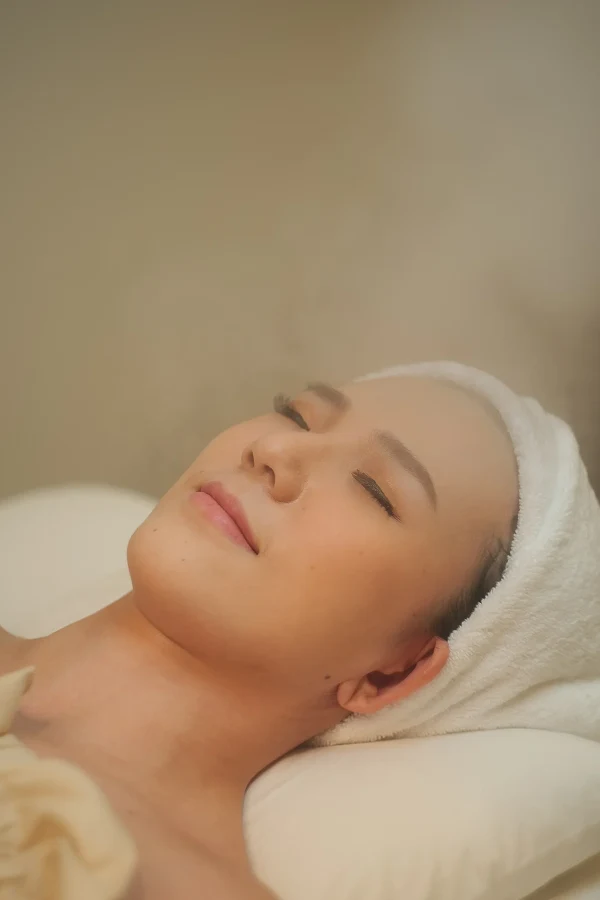
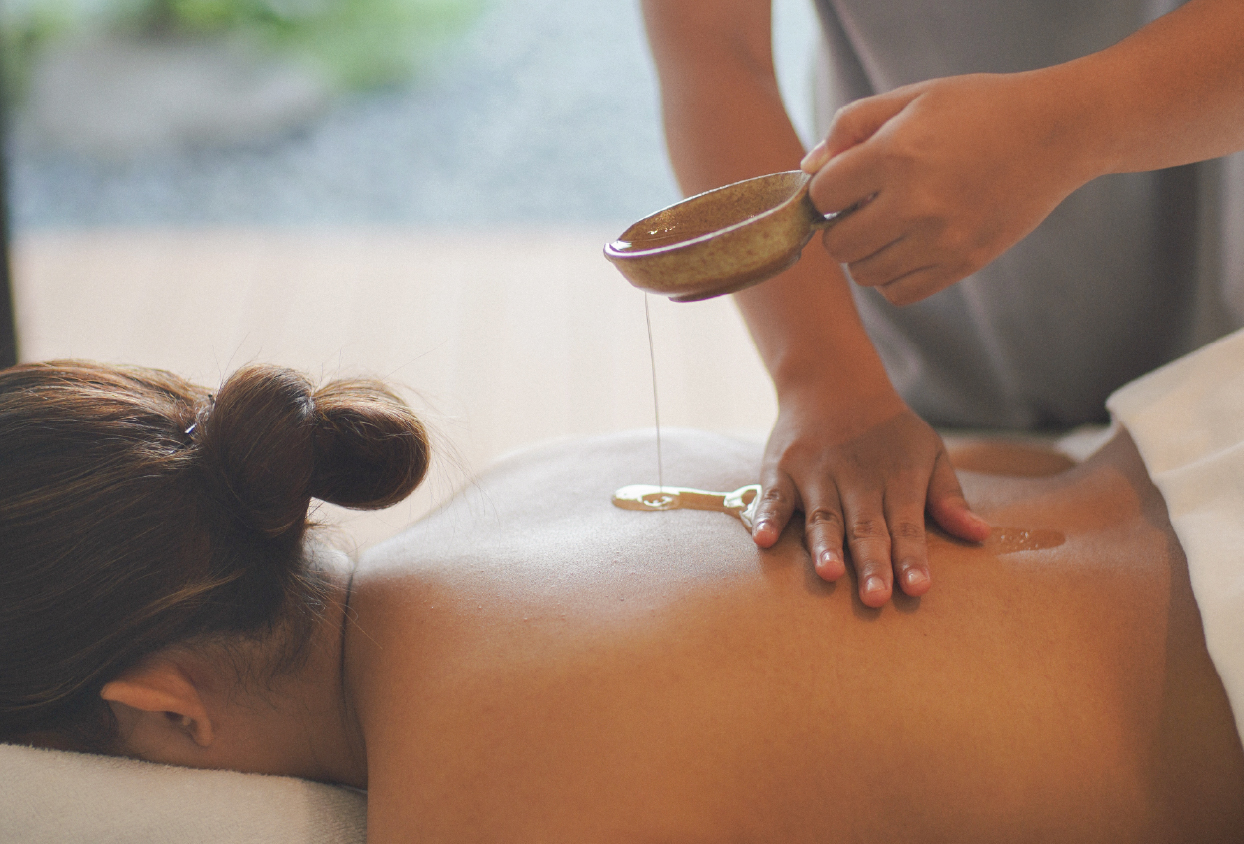
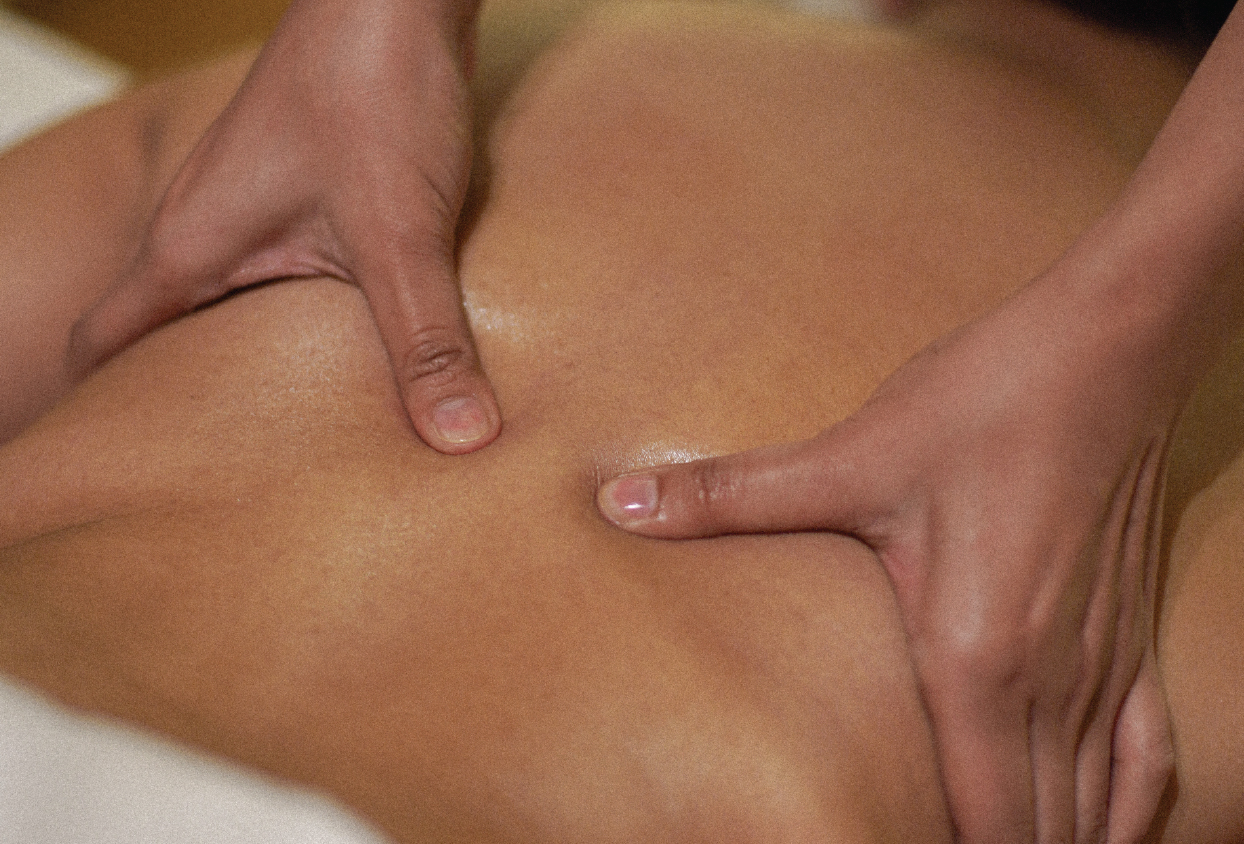
The facial muscles hold tension throughout the day, from expressions while working at a screen to the unconscious habit of clenching the jaw. Facial massage during a treatment helps release this tension and stimulate the body’s relaxation response.
The relaxation that comes during a session is more than just a bonus. Severe stress can increase cortisol production, which accelerates skin aging and disrupts the regeneration process. The moment of calm during a facial session gives both your skin and mind an opportunity to recover simultaneously.
How Often Should You Get a Facial?
The ideal frequency depends on your skin type and treatment goals. Generally, dermatologists recommend a professional facial every four to six weeks. This interval aligns with the skin’s regeneration cycle, so each session works on a newly renewed layer of cells.
For oily or acne-prone skin, an interval of three to four weeks may be more effective to keep pores clean. For healthy, normal skin, six weeks is sufficient.
As with any treatment or health practice, consistency matters more than intensity, because the benefits of facials are cumulative and more noticeable with regular care compared to occasional sessions without a set schedule.
Also Read: How to Maintain Skin Health Before Your Wedding
Choose the Right Facial Treatment for Your Skin at Aarti Wellness Wijaya
Consistent facial results start with the right treatment for your current skin condition, not merely a regular schedule.
At Aarti Wellness Wijaya, facial treatments are available using BABOR products from Germany, which you can choose according to your skin’s needs:
- Calm & Refresh Facial, ideal for skin that needs soothing and hydration.
- GlowFusion Facial, designed to revitalize dull skin.
- Collagen Fusion Facial, providing intensive collagen support.
- Purifying Facial, focused on deep cleansing for oily skin.
Every session begins with a brief skin consultation so the therapist can tailor the products and techniques to your specific needs.
For more information and reservations, visit the Aarti Wellness Facial page.
References
- American Academy of Dermatology. (2024). How to Safely and Effectively Exfoliate Your Skin. aad.org
- Harvard Health Publishing. (2017). Want to Take Years Off Your Face? These Treatments Can Rejuvenate Your Skin. health.harvard.edu