
Table of Contents
ToggleHave you ever noticed that you’re more likely to catch a cold when work becomes overwhelming? Or perhaps your body suddenly feels sore, your sleep suffers, and your energy drops after dealing with prolonged pressure. Many people dismiss these symptoms as ordinary fatigue. In reality, ongoing stress can have a very real impact on your physical health.
Stress is not only a mental health concern. When left unmanaged, it can affect your immune system, disrupt sleep quality, and interfere with your body’s natural recovery processes that help keep you healthy.
So, why can stress make you get sick more easily? The answer lies in how your body responds to pressure and how that response affects nearly every system in your body.
How Does Your Body Respond to Stress?
Whenever you encounter a stressful situation, your body automatically activates its natural defense mechanism known as the fight or flight response. During this process, stress hormones such as cortisol and adrenaline are released to help you stay alert and respond to challenges.
This response is extremely helpful when it lasts only a short time, such as during an emergency or an important decision.
However, when stress continues day after day without enough time for recovery, stress hormone levels remain elevated. As a result, your body works much harder than normal and gradually begins experiencing changes that can affect your overall health.
Why Can Stress Make You Get Sick More Easily?
The connection between stress and physical health is stronger than many people realize. Here are several reasons why prolonged stress can make your body more vulnerable to illness.
1. Your Immune System Becomes Weaker
One of the most significant effects of chronic stress is a reduced ability of your immune system to protect your body.
When stress hormone levels remain consistently high, your immune response becomes less effective, making you more susceptible to infections such as colds, coughs, and other minor illnesses.
2. Sleep Quality Declines
Stress often keeps your mind active even when your body feels exhausted.
Without quality sleep, your body cannot complete its natural recovery processes. As a result, you feel more fatigued, and your ability to fight illness decreases.
3. Your Muscles Stay Constantly Tense
When you’re under stress, your body naturally tightens muscles, especially around the neck, shoulders, and back.
If this continues for a prolonged period, muscle tension can develop into persistent soreness, tension headaches, and reduced physical comfort throughout the day.
Read more: The Effects of Chronic Stress on Your Body: Don’t Ignore the Warning Signs
4. Your Body Runs Low on Energy
Stress keeps your body in a constant state of alertness.
Because energy is continuously being used, you may feel exhausted even if your daily activities are not physically demanding.
Signs That Stress Is Beginning to Affect Your Body
Everyone responds to stress differently. However, several common signs may indicate that stress is starting to impact your physical health.
1. You Get Sick More Often
If you find yourself catching colds or feeling unwell more frequently than usual, it may be a sign that your body needs more time to recover.
2. Difficulty Sleeping or Frequent Nighttime Awakenings
Poor quality sleep prevents your body from fully restoring itself after each day.
3. Tight Shoulders and Neck
Persistent tension in your shoulders and neck is often one of the earliest physical signs of ongoing stress.
Read more: Why Are the Shoulders and Neck the Most Tense Areas? Causes and How to Relieve Them
4. Difficulty Concentrating
As stress continues to build, your ability to focus, think clearly, and complete tasks efficiently may begin to decline.
How to Help Your Body Manage Stress More Effectively
While life’s pressures cannot always be avoided, you can support your body with healthy daily habits.
1. Make Time to Move
Activities such as yoga and Pilates help release muscle tension while improving flexibility, balance, and body awareness.
In addition to their physical benefits, these exercises promote a sense of calm through controlled breathing and mindful movement.
2. Get Enough Sleep
Sleep is one of the body’s most important natural recovery processes.
Maintaining a consistent sleep schedule allows your body to repair tissues, regulate hormones, and strengthen your immune system.
3. Build a Self Care Routine
Taking time for yourself is not a luxury. It is an important part of maintaining overall health.
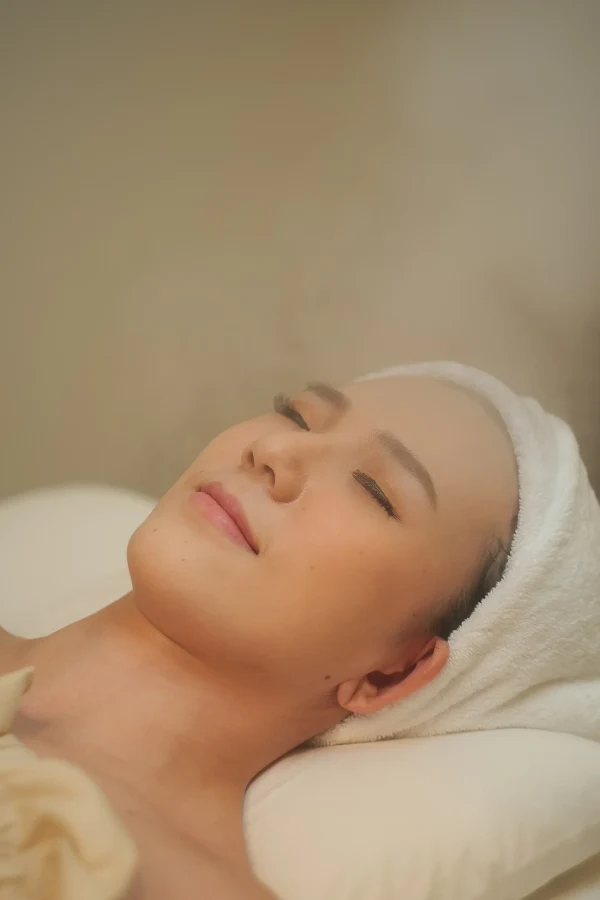
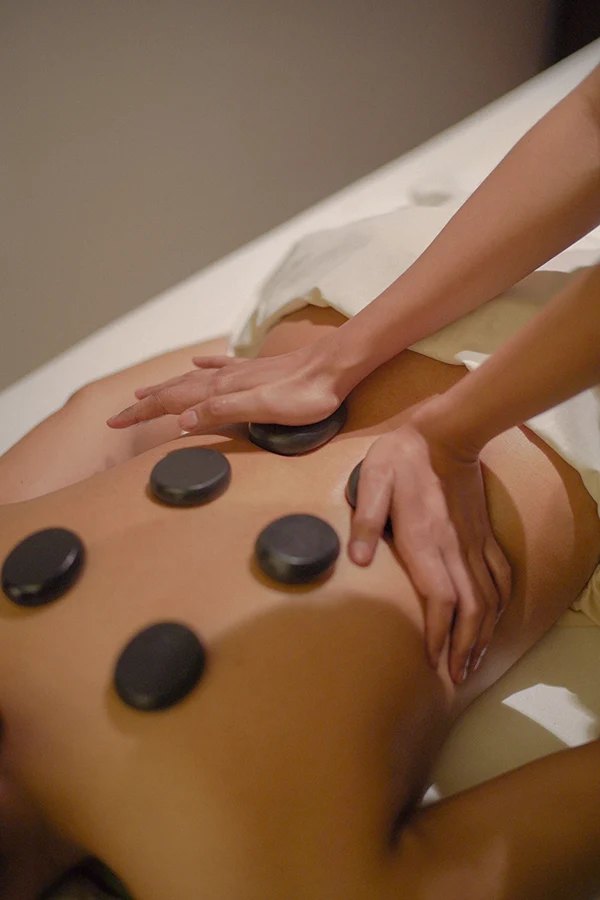
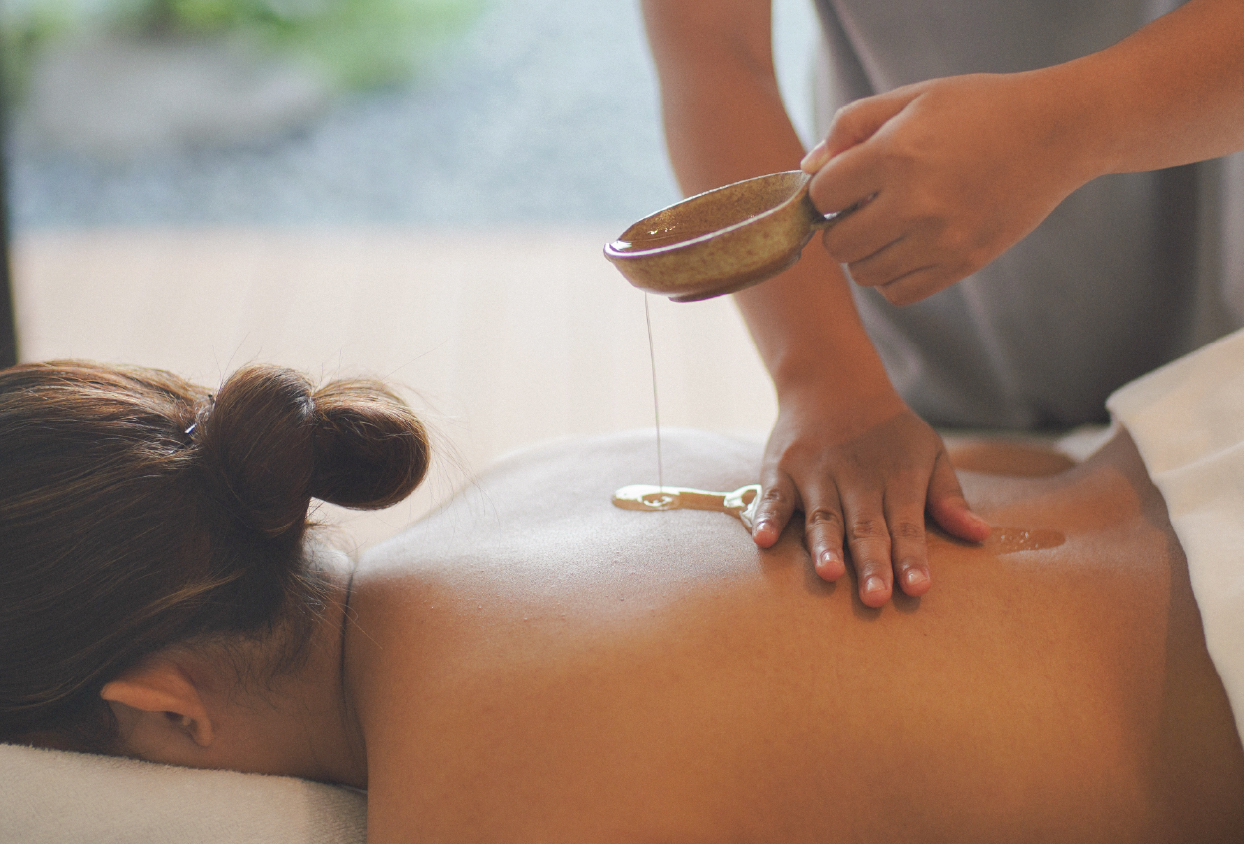
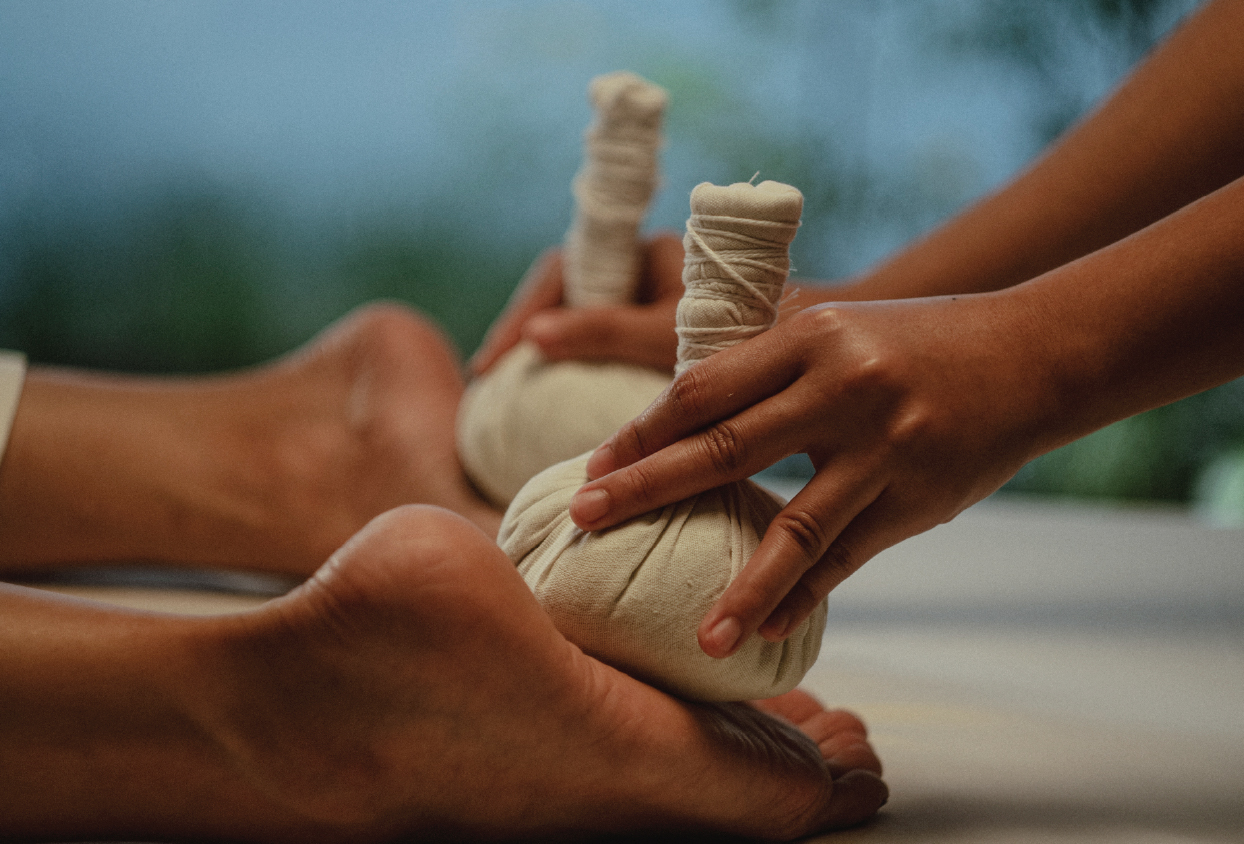
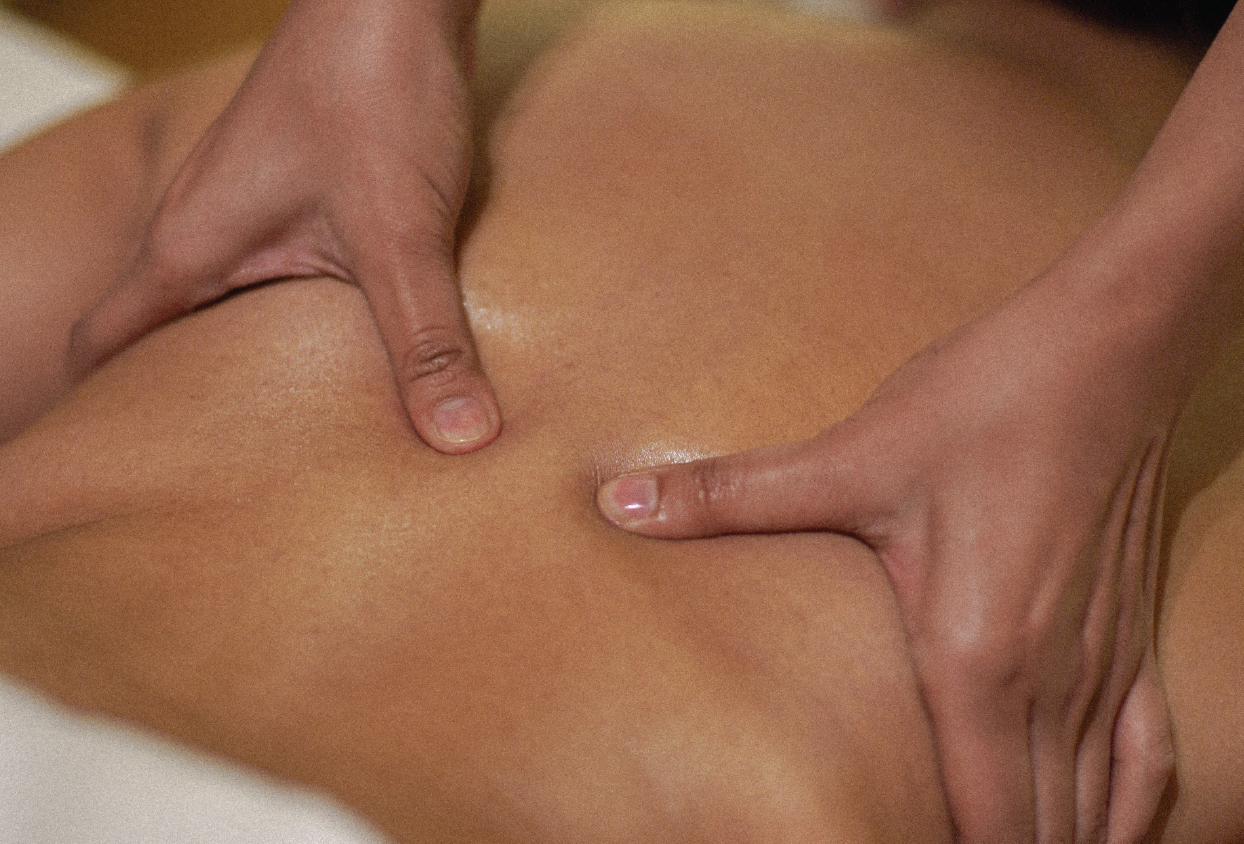
Treatments such as massage, spa therapy, or lymphatic massage help your body shift from a state of tension into deep relaxation.
Read more: When Your Body Asks for Attention: Signs You Need Self Care
4. Maintain Good Nutrition and Hydration
A balanced diet and adequate hydration provide your body with the energy and nutrients it needs to perform essential functions, including supporting a healthy immune system.
A Holistic Approach to Supporting Your Immune System
Managing stress is not simply about reducing pressure. It is about building sustainable habits that help your body remain healthy over time.
A holistic wellness approach combines physical activity, relaxation, proper nutrition, quality sleep, and attention to mental wellbeing. When these elements work together, your body becomes better prepared to handle daily challenges without becoming overwhelmed.
This is why more people are making yoga, Pilates, massage, and spa treatments part of their regular wellness routine rather than waiting until they feel completely exhausted.
Listen to Your Body’s Signals
Your body has its own way of telling you when it needs attention. Persistent fatigue, poor sleep, ongoing muscle tension, or getting sick more frequently are often signs that your body’s balance is being disrupted.
At Aarti Wellness, every experience is designed to help your body relax and recover through treatments such as spa therapy, massage, lymphatic massage, yoga, and Pilates. Combining body treatments with activities that support both physical and mental wellbeing is a simple yet effective way to maintain overall health.
So, why can stress make you get sick more easily? Because prolonged stress affects many of your body’s essential systems, including sleep quality, muscle tension, and immune function. The earlier you recognize these warning signs, the better your chances of protecting your health before more serious problems develop.
Taking care of your body should not begin only after you become ill. By making time to rest, stay active, and practice regular self care, you can help your body remain healthy, energized, and ready to take on each day.