
Table of Contents
Toggle“I think I need some healing.”
This phrase has become increasingly common in recent years. After dealing with work pressure, busy routines, or emotionally exhausting situations, many people feel the need to take a break. However, many also assume that every form of rest, vacation, or temporary escape is considered healing.
In reality, understanding the difference between healing, rest, and escapism is very important. While all three are related to reducing stress and recovering from life’s challenges, their purpose, impact, and outcomes are very different.
When someone misunderstands these concepts, they may feel they are taking care of themselves while still feeling tired, stressed, or unhappy afterward. On the other hand, when you understand the differences clearly, you can choose the type of recovery that truly matches your body’s and mind’s needs.
Why Are Healing, Rest, and Escapism Often Confused?
In today’s fast paced world, many people experience both physical and mental exhaustion at the same time. When feeling overwhelmed, the strongest desire is often to step away from all responsibilities and pressures.
The problem is that everyone’s needs are different. Some people need physical rest, some need emotional recovery, and others may actually be trying to avoid unresolved problems.
Because all three can provide temporary relief, healing, rest, and escapism are often viewed as the same thing. However, when examined more closely, each serves a very different function in a person’s health and wellbeing journey.
Understanding these differences helps you identify what your body and mind truly need at any given moment.
What Is Rest? When Your Body Needs Time to Recover
Rest is a basic human need. Just like eating and sleeping, the body requires time to restore the energy used throughout the day.
When someone works, exercises, takes care of family responsibilities, or maintains a busy schedule, both physical and mental energy become depleted. Rest helps replenish that energy so the body can function optimally.
Rest does not always mean sleeping. Sitting quietly without distractions, enjoying peaceful moments, reading a book, doing light stretching, or simply doing nothing for a while are all forms of rest.
One common problem is that many people feel guilty when resting. They see rest as something unproductive.
In reality, without sufficient rest, the body continues operating in a fatigued state. As a result, focus declines, mood worsens, and the risk of prolonged exhaustion increases.
Rest serves to recharge energy. However, rest alone does not always address the underlying emotional challenges a person may be experiencing.
Read more: Spa Rituals That Help Improve Rest Quality
What Is Healing? A Deeper Recovery Process
If rest focuses on restoring energy, healing carries a broader and deeper meaning.
Healing is the process of recovering from stress, emotional wounds, prolonged pressure, or experiences that have impacted a person’s mental and physical wellbeing.
Healing is not simply about feeling happy for a moment. It involves understanding yourself, accepting what you are experiencing, and creating space for gradual recovery.
Because of this, healing often requires more time than simply resting.
For example, someone experiencing intense workplace pressure may need more than adequate sleep. They may need to improve their lifestyle, manage stress more effectively, develop self awareness, or establish healthier routines.
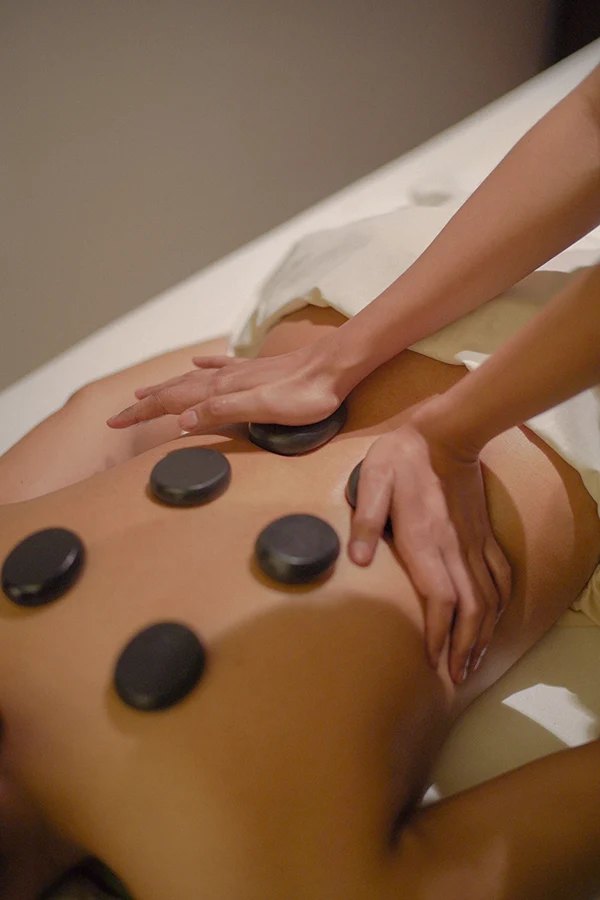
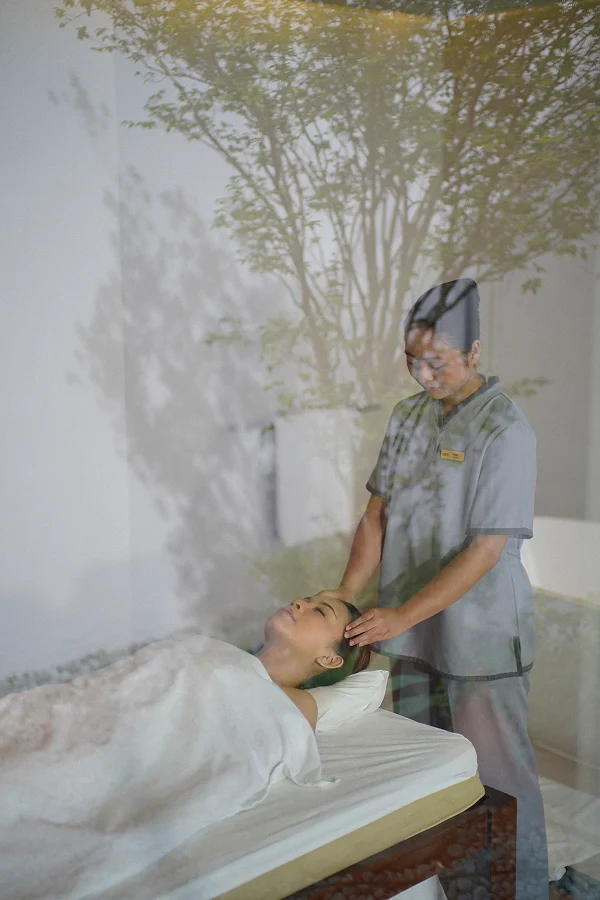
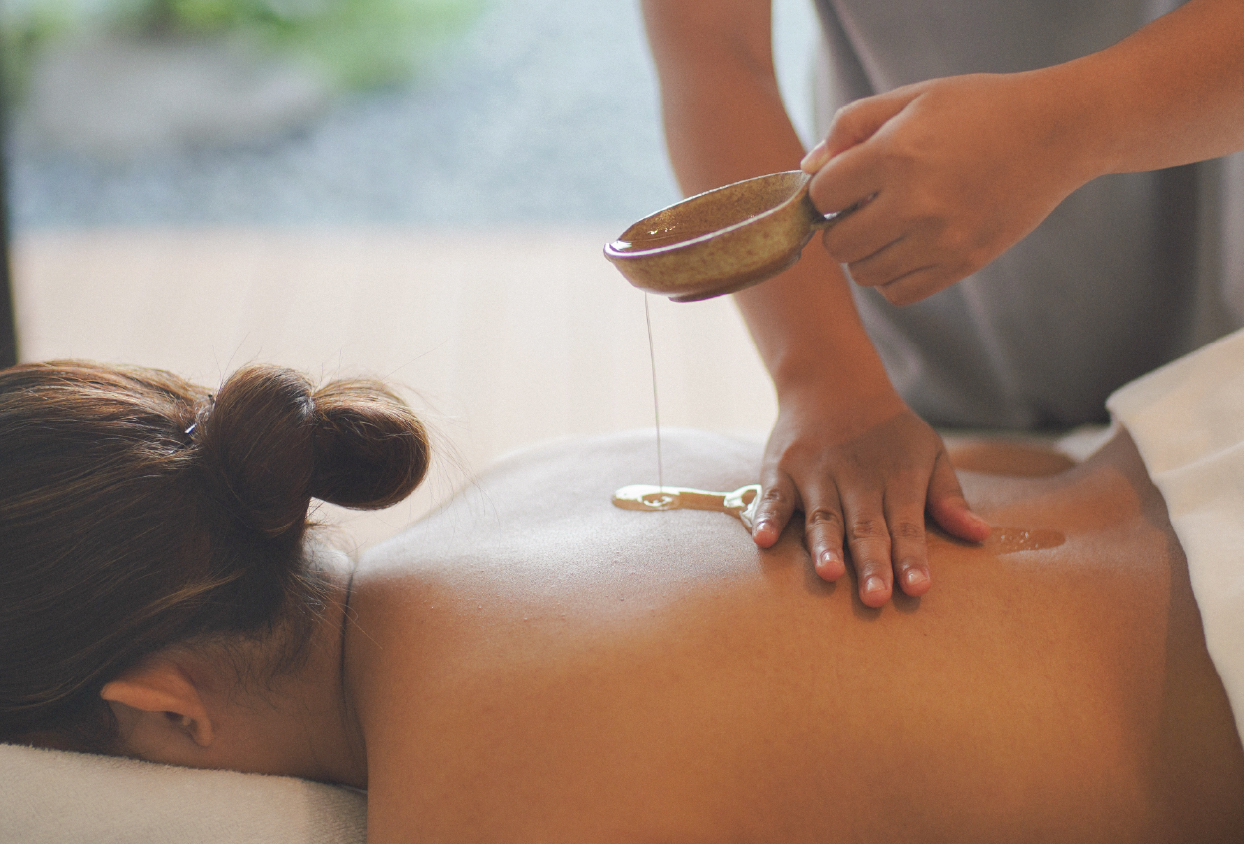
In a wellness context, healing is often supported through activities that help create balance between body and mind. Yoga, Pilates, meditation, massage, spa treatments, and various forms of relaxation can all become part of the healing process when practiced with the right intention and awareness.
It is important to understand that healing is not about eliminating every problem. Healing is about building a healthier relationship with yourself so that you can navigate life more effectively.
What Is Escapism? When Escape Looks Like Recovery
Among these three concepts, escapism is often the most misunderstood and frequently mistaken for healing.
Escapism refers to avoiding reality or problems by seeking distractions that provide temporary comfort.
Examples can vary widely. They may include binge watching television shows for hours to avoid work stress, endlessly scrolling through social media, making impulsive purchases, or engaging in certain activities solely to avoid uncomfortable emotions.
At its core, escapism is not always negative. Everyone occasionally needs distractions to reduce stress.
The problem arises when escapism becomes the only way someone deals with challenges.
A person may feel better for a few hours or even a few days. However, once the distraction ends, the original source of stress remains unchanged.
This is the key difference between healing and escapism. Healing helps a person grow and recover. Escapism only helps a person avoid reality temporarily.
Read more: Why the Body Needs Regular Recovery Treatments
How to Tell Whether You Are Healing or Escaping
Sometimes the line between healing and escapism can feel very thin. The same activity may serve as healing for one person and escapism for another.
The key lies in the intention behind the activity and how you feel afterward.
If an activity leaves you feeling calmer, more self aware, more capable of facing challenges, and energized, it likely supports healing.
On the other hand, if the activity only helps you forget your problems temporarily but leaves you feeling anxious, guilty, or stuck in the same situation afterward, it may be a form of escapism.
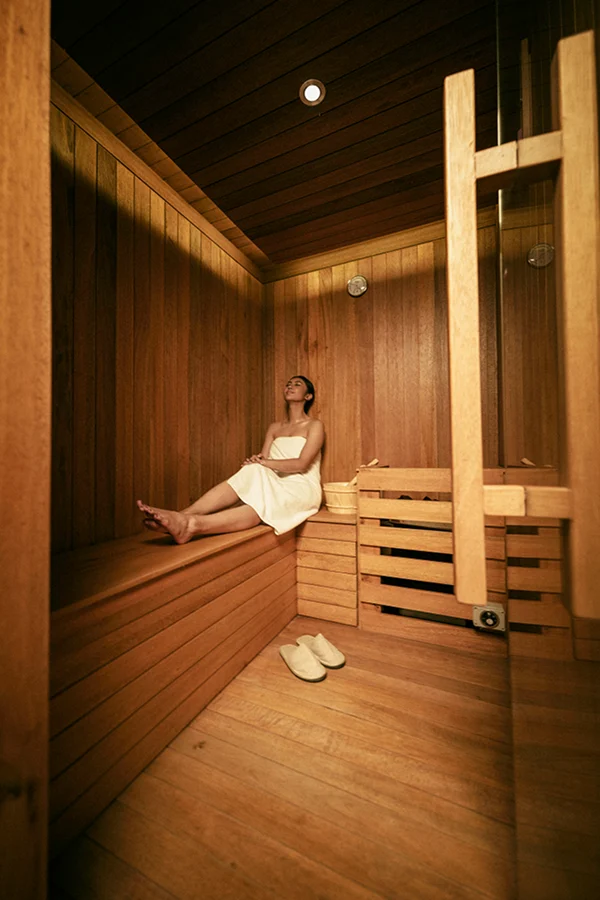
For example, visiting a spa after several weeks of nonstop work can be part of a healing process because it allows the body and mind to recover.
However, if someone constantly seeks entertainment simply to avoid making important life decisions, that behavior is more closely related to escapism.
Why Do the Body and Mind Need Genuine Healing?
Many people can function under stress for months or even years. However, the body always has limits.
When pressure continues to build without adequate recovery, signs begin to appear. These may include difficulty sleeping, irritability, loss of motivation, muscle tension, and prolonged emotional fatigue.
In these situations, rest may temporarily reduce feelings of exhaustion. However, both the body and mind often require deeper healing.
Healing helps reduce accumulated stress, improve self awareness, and create healthier balance in daily life.
This is one reason wellness has become increasingly popular. People are beginning to realize that health is not simply about avoiding illness. It is also about enabling the body and mind to function optimally over the long term.
Wellness as a Space for Rest and Healing
In the middle of busy daily schedules, many people struggle to create opportunities for genuine rest and recovery.
This is why wellness activities have become valuable tools for supporting both body and mind.
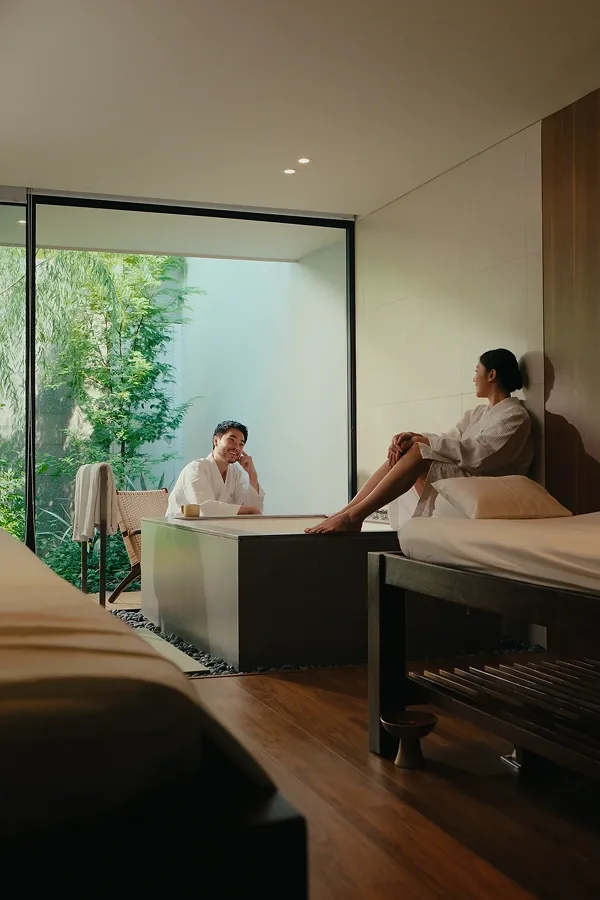
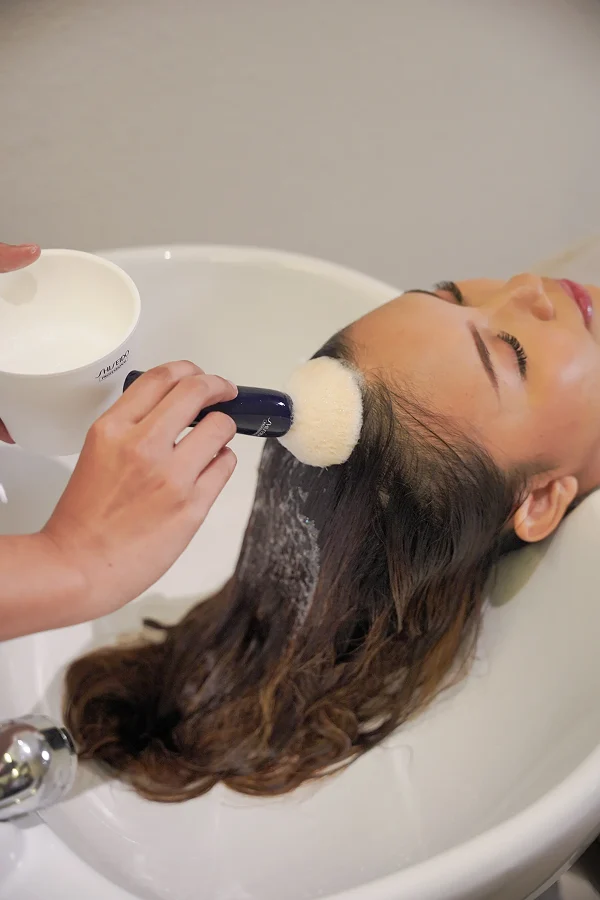
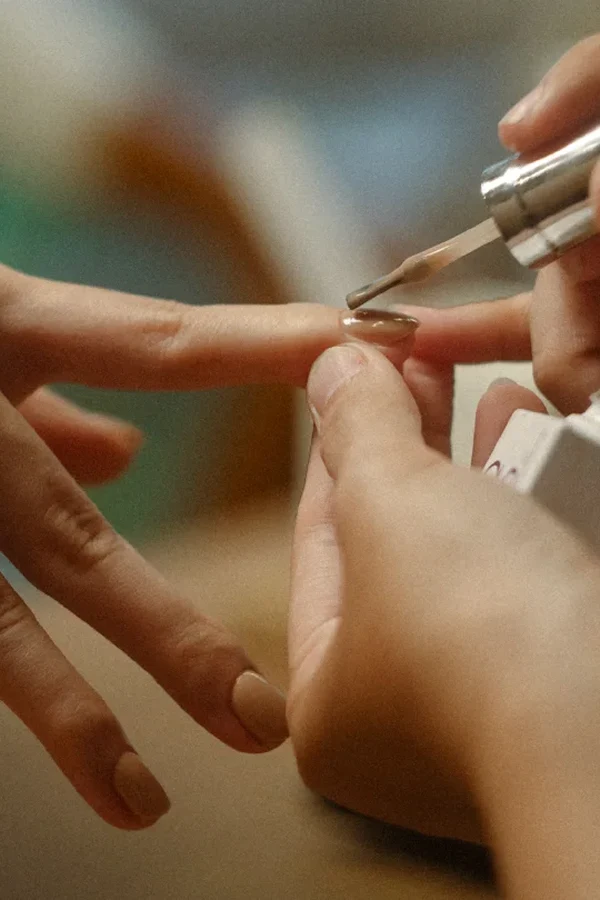
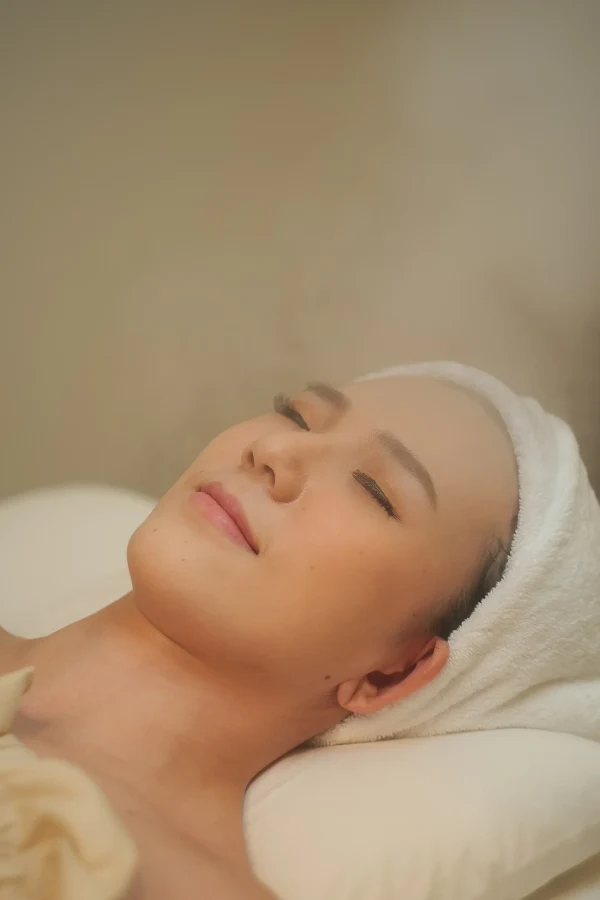
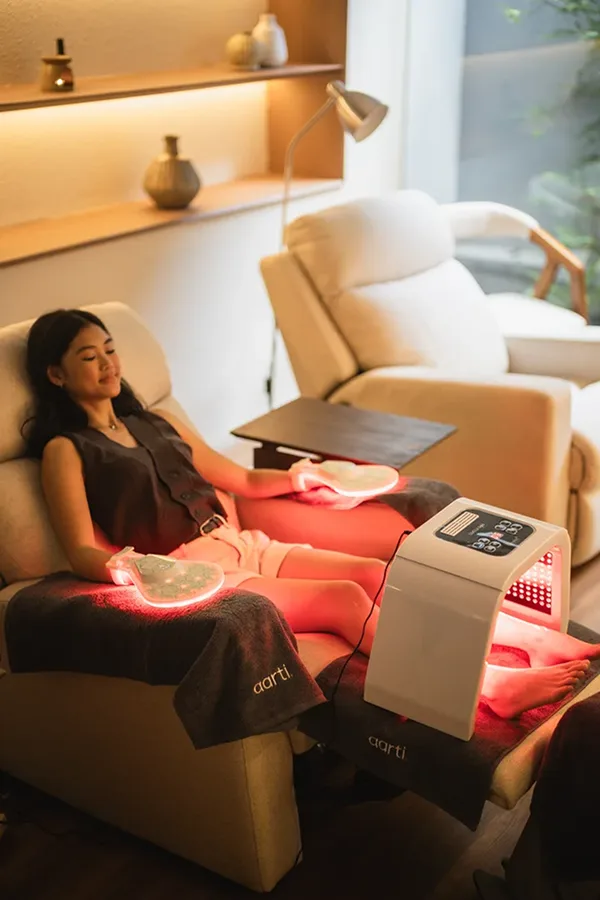
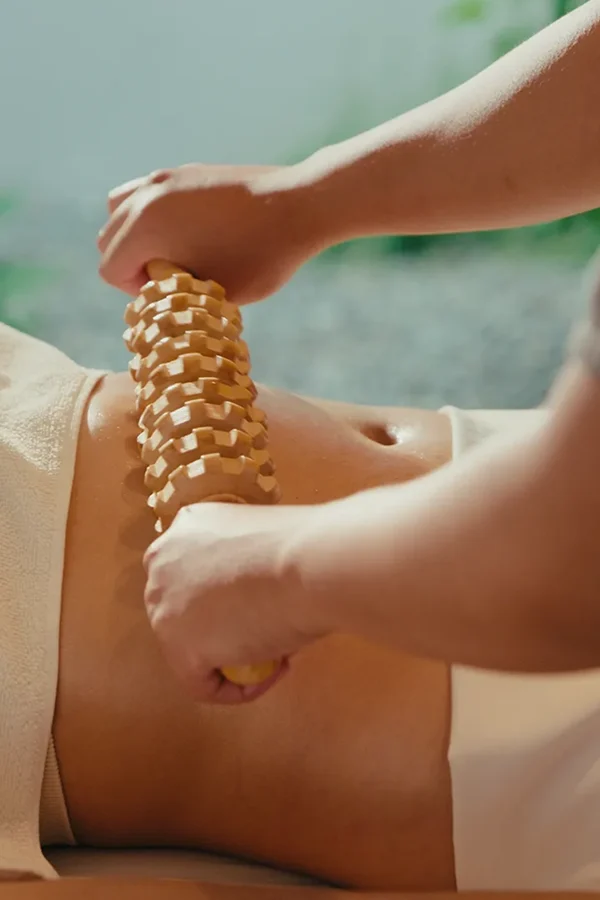
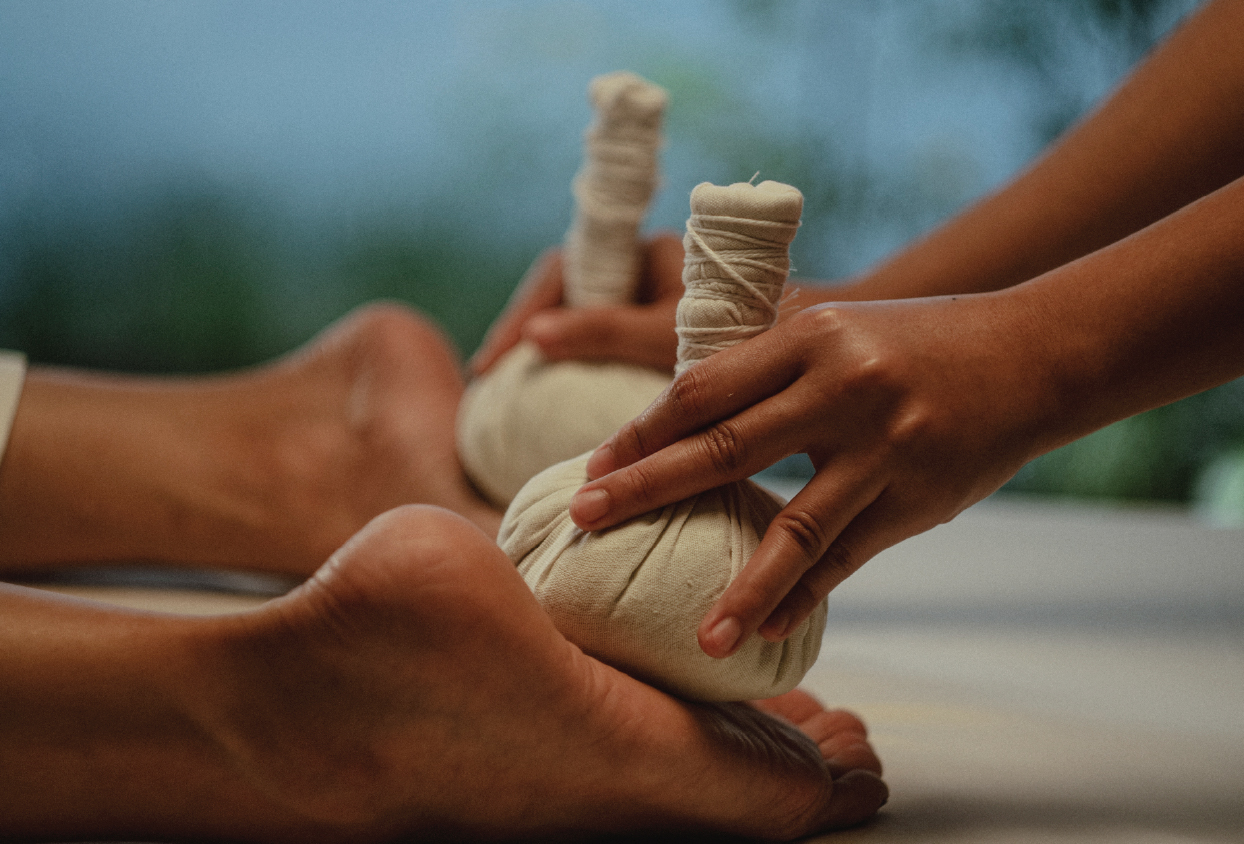
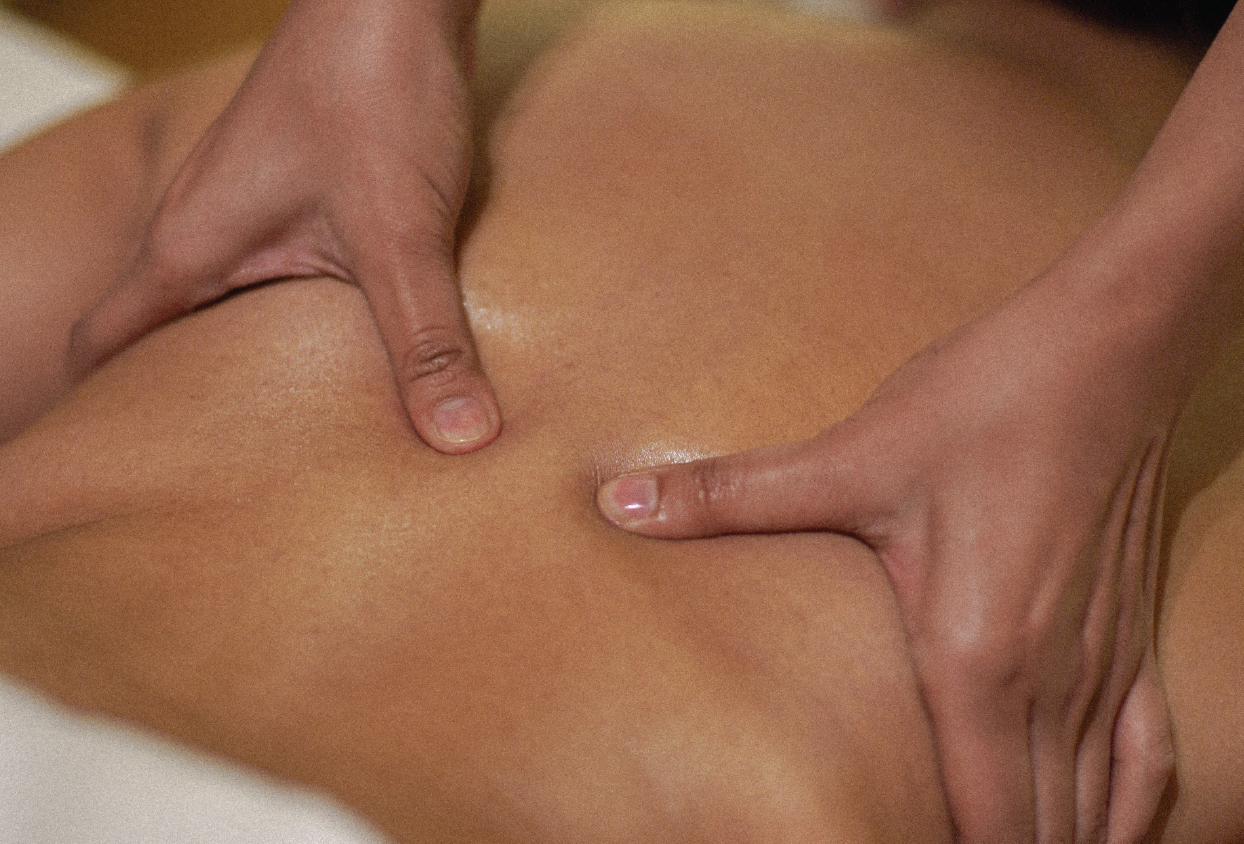
Treatments such as spa therapy, massage, lymphatic massage, facial treatments, hair treatments, and hand and foot spa experiences do more than provide physical comfort. They also help release tension stored in the body from stress and demanding routines.
Similarly, activities such as yoga and Pilates help improve body awareness, breathing quality, and the balance between physical and mental wellbeing.
When practiced consistently, these activities can become part of a lifestyle that supports both rest and healing over time.
Read more: Wellness Retreat vs Urban Spa: Which One Is Right for You?
Choose What You Need Most Right Now
Understanding the difference between healing, rest, and escapism helps you become more aware of your own needs.
Sometimes the body simply needs rest because it has been working too hard. Sometimes the mind requires healing because it is carrying deeper emotional burdens. And sometimes we need to honestly acknowledge that what we have been doing is merely a temporary escape.
Not every problem needs to be solved in a single day. However, creating space to listen to your body and mind is an important step toward a healthier balance.
When you begin to understand what you truly need, self care becomes more than just following a trend. It becomes part of a journey toward living with greater health, awareness, and alignment with yourself.