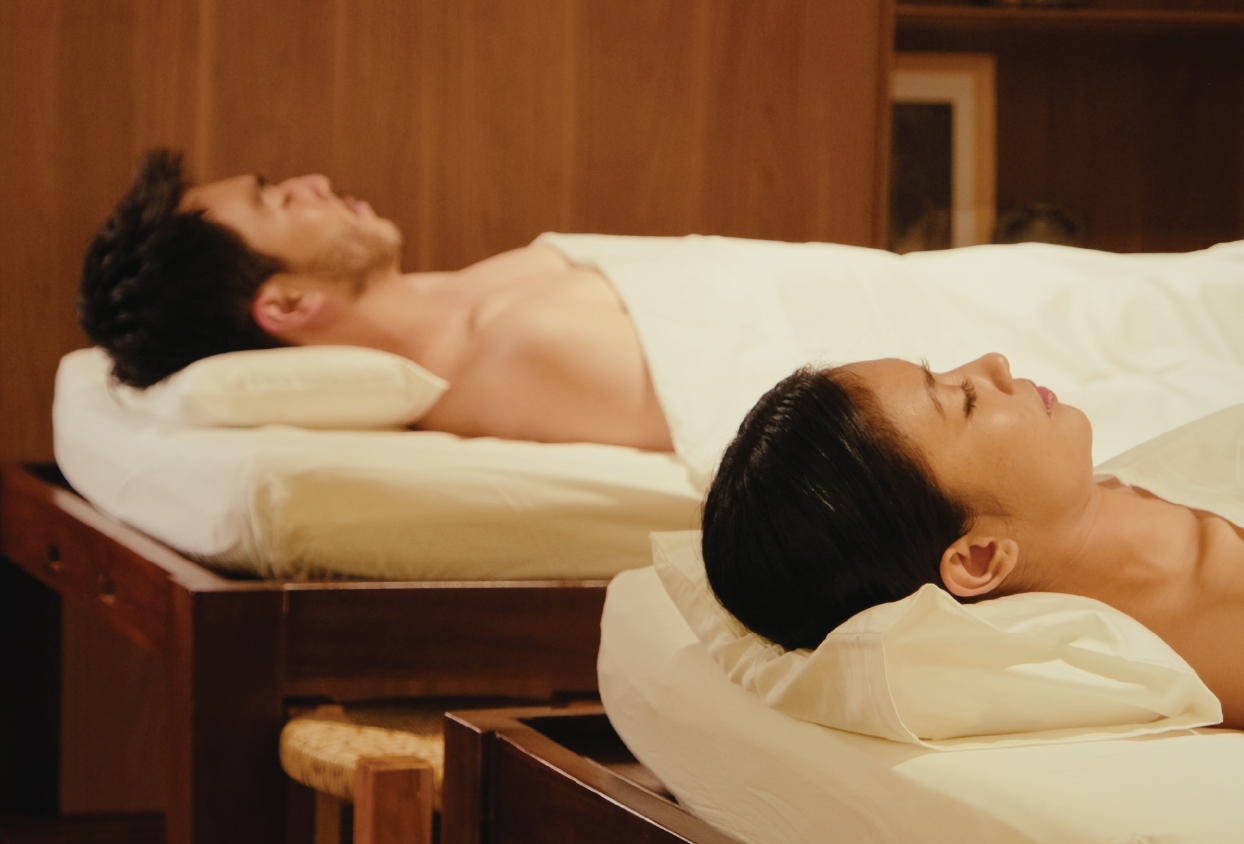
In fast paced daily life, many of us operate in constant control mode. We manage schedules, suppress emotions, maintain composure, and ensure everything goes according to plan. Over time, this habit does not stay in the mind alone. It settles into the body. Muscles tighten, breathing becomes shallow, and true relaxation becomes rare. This is where massage becomes more than physical treatment. It becomes a way for the body to finally release control that has been held too tightly.
Many people seek massage for simple reasons, to feel lighter or reduce stiffness. Yet the experience often goes deeper. A different kind of calm appears. Breathing feels easier. Unexpected emotions may surface. All of this connects to one essential shift: the body is allowed to stop controlling and start letting go.
A Body Conditioned to Stay in Control
From the moment you wake up until you go to sleep, your body follows mental commands. Sit upright. Do not look tired. Stay focused. Stay strong. Over time, this pattern creates constant low level tension. Muscles rarely soften completely, even during rest.
Control can feel like discipline or responsibility. But the body has limits. When control is never released, tension becomes stored energy. This is why many people feel exhausted even without intense physical activity.
Massage does not force the body to change. Instead, it creates space for the body to release tension on its own.
Massage Teaches the Body to Stop Bracing
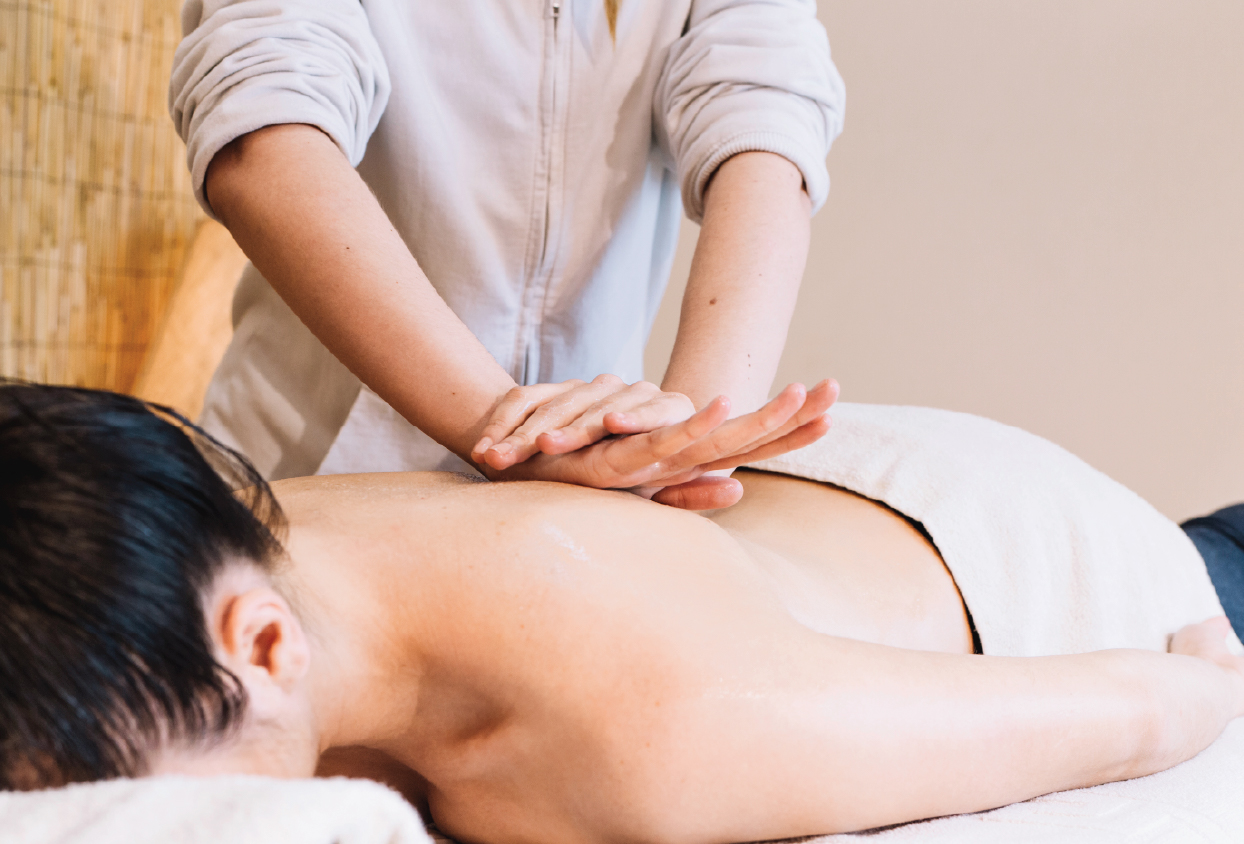
During a massage, you are not required to perform or manage anything. You do not direct, adjust, or hold yourself together. The body lies down and receives.
In that moment, the body begins to learn that it does not need to remain alert. Consistent, mindful touch signals safety to the nervous system. When safety is felt, protective muscle tension starts to decrease naturally.
The shift is gradual but noticeable. Breathing deepens. The jaw softens. Shoulders lower without effort.
Read also: Why You May Feel Emotional After a Massage
The Nervous System and Letting Go
In daily life, many people live with a dominant sympathetic nervous system. This is the system responsible for readiness and response to challenge. It is essential, but not meant to stay active constantly.
Massage activates the parasympathetic nervous system, which supports relaxation and recovery. When this system engages, the body stops guarding and begins repairing. Heart rate slows. Blood pressure lowers. The mind becomes less preoccupied with control.
This is where genuine release happens. The body returns to its natural rhythm instead of following relentless mental demands.
When Control Drops, Emotions May Surface
Letting go is not always easy. For some, once the body relaxes, suppressed emotions rise to the surface. Feelings of relief, tenderness, or even tears may appear unexpectedly.
This can feel surprising, especially for those accustomed to staying strong at all times. Yet this response is a healthy sign. Emotions emerging during relaxation indicate that the body is processing what it has been holding.
Massage creates a safe environment where both body and emotions are allowed to exist without control or judgment.
Why Releasing Control Supports Health
Excessive control keeps the body operating beyond its natural capacity. Over time, this can affect sleep quality, mood stability, and immune resilience. The body may not immediately show illness, but it can feel heavy, fatigued, and unfocused.
Regularly releasing control gives the body a chance to reset. Muscles stop working unnecessarily. The mind clears. Energy gradually restores.
Massage creates a pause that many rarely grant themselves. A pause where the body can rest without needing to justify its stillness.
Read also: The Benefits of Massage for Reducing Stress and Work Fatigue
Relaxation Versus True Release
Some activities appear relaxing but still involve mental control. Watching shows, scrolling, or even traveling may keep the mind active and the body subtly guarded. These distractions can shift attention but do not always produce deep release.
Massage works directly through the body. Without distraction or expectation, the body is guided to surrender safely. You do not need to think your way into calm. The body leads the process.
This is why many people feel lighter after a massage. Not because problems disappear, but because control has softened.
Learning to Trust the Body Again
Modern life often prioritizes mental effort over bodily awareness. Yet the body has its own intelligence. Massage helps restore trust in the body’s ability to know when to relax and when to act.
Through receptive touch, you learn that not everything requires control. Sometimes allowing the body to take the lead creates deeper calm.
This awareness extends beyond the treatment room. You may become more sensitive to early signs of fatigue, more willing to pause, and more capable of preventing exhaustion before it accumulates.
Creating the Right Environment for Release
For the body to let go fully, environment matters. A quiet atmosphere, empathetic touch, and unhurried rhythm help create a sense of safety.
Massage then becomes more than technique. It becomes a full sensory experience supporting physical, mental, and emotional release at the same time.
Read also: From Head to Toe: The Body Areas That Store Stress Most Often
Allowing the Body to Breathe Freely
Massage as a way for the body to release control is not abstract. It is a tangible experience available to anyone willing to pause. Letting go does not weaken the body. It restores its strength through balance.
At Aarti Wellness, each massage experience is designed to help your body truly relax and release unnecessary tension. With mindful touch and a calming environment, every session becomes a safe space to stop controlling and begin restoring.
If you have been holding everything together for too long, perhaps this is the moment to allow your body to breathe more freely. Notice how calm emerges when control softens, and let your body return to its natural rhythm.