After a long and demanding day, your body often sends subtle but consistent signals. Shoulders feel heavy, your back tightens, legs ache, and your mind refuses to fully switch off. Even when you sit or lie down, the fatigue lingers. This is not just ordinary tiredness. It is a sign that your body needs deeper, more intentional recovery. This is where massage for body recovery after intense activity becomes especially important.
Massage is not only about temporary comfort. It works as an active recovery process that helps the body return to balance after being used intensively, both physically and mentally. With the right approach, massage becomes the bridge between a packed schedule and truly restorative rest.
An Active Body Needs Intentional Recovery
Busy days, whether physically or mentally demanding, keep the body in a prolonged state of tension. Long hours of sitting, repetitive movements, or constant thinking cause muscles to contract and the nervous system to remain alert.
Without adequate recovery, this tension accumulates. The body may still function, but performance declines. You may feel more fatigued, less focused, and more prone to persistent stiffness.
Recovery is not a sign of weakness. It is a necessary part of a healthy performance cycle.
Helping the Body Return to Its Natural Rhythm
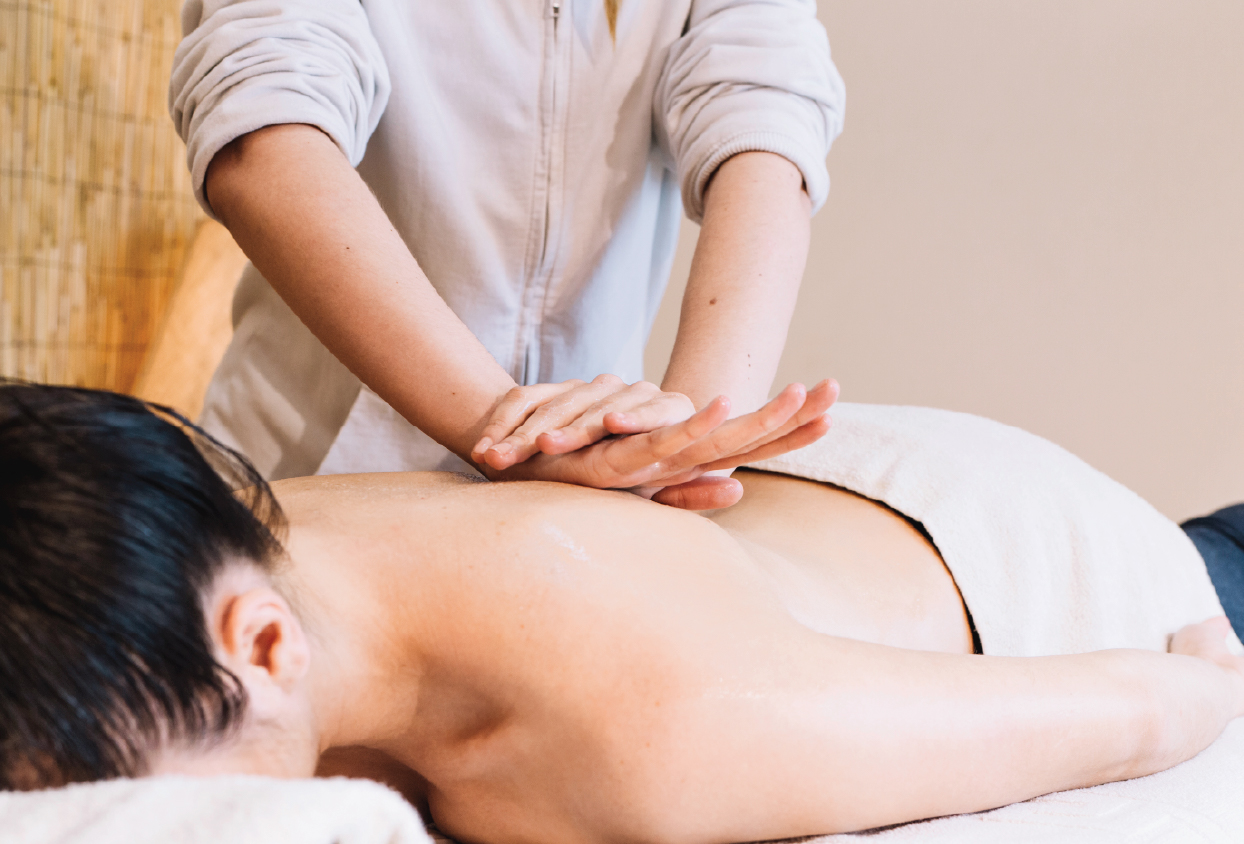
Massage supports the shift from survival mode to recovery mode. Through targeted touch and pressure, tight muscles begin to release, and the body receives a signal that it is safe to rest.
When the body feels safe, the parasympathetic nervous system activates. This system is responsible for relaxation, cellular repair, and regeneration. While this process takes time, massage accelerates the transition.
With slower, steady rhythms, the body can begin repairing itself from within.
Read also: Massage as a Way for the Body to Let Go of Control
Relieving Muscle Tension After Intense Activity
Repetitive tasks and poor posture make muscles work harder than necessary. This tension does not always present as sharp pain, but rather as stiffness and heaviness.
Massage gradually releases that tension. As muscles soften, blood flow increases to those areas, delivering oxygen and nutrients essential for recovery.
This is why the body often feels lighter and more flexible after a massage, even if there was no significant pain beforehand.
Improving Circulation for Faster Recovery
One key way massage supports recovery after a busy day is by enhancing blood circulation. Improved circulation helps remove metabolic waste that builds up during activity.
When waste products are cleared efficiently, the body feels less heavy and fatigued. Energy levels recover more quickly.
Optimal circulation also supports organ function and helps maintain long term stamina.
Calming the Nervous System
Fatigue does not always originate in the muscles. Mental overload keeps the nervous system in a constant state of alertness. Even when the body stops moving, the mind continues working.
Massage calms the nervous system through steady, rhythmic touch. Breathing deepens. Thoughts slow down.
When the nervous system relaxes, the body gains the space it needs to fully recover rather than simply pause.
Releasing Accumulated Stress
Stress often settles into the body. Raised shoulders, a tight jaw, and a stiff back are common physical responses to pressure.
Massage helps release this stored tension, both physically and emotionally. As the body softens, emotional intensity often decreases as well.
This makes recovery more complete, not only at a physical level but also mentally.
Read also: The Benefits of Massage for Reducing Stress and Work Fatigue
Supporting Better Sleep
Sleep is essential for recovery, but it is not always restorative if the body still holds tension. Many people sleep long enough yet wake up feeling tired.
Massage prepares the body for deeper rest. Reduced muscle tension and a calmer nervous system allow the body to enter restorative sleep more easily.
As a result, sleep becomes more refreshing and recovery more effective.
Creating a Transition from Activity to Rest
One of the most valuable roles of massage is serving as a transition. The body cannot always switch instantly from high activity to deep rest.
Massage provides a clear pause between work and recovery. It prevents residual tension from carrying into your rest time.
This transition is crucial for optimal recovery and sustained energy.
Why Regular Recovery Is More Effective
Recovery should not be reserved for moments when the body feels completely depleted. Massage offers the greatest benefit when practiced regularly as part of a wellness routine.
With consistent recovery, tension does not accumulate excessively. Energy remains steadier from day to day.
This approach allows you to stay productive without sacrificing long term health.
Read also: Benefits of Massage After Exercise and Intense Activities
The Advantage of Professional Treatment
Proper technique greatly influences recovery outcomes. Professional therapists understand how the body responds after intense activity and which areas need focused attention.
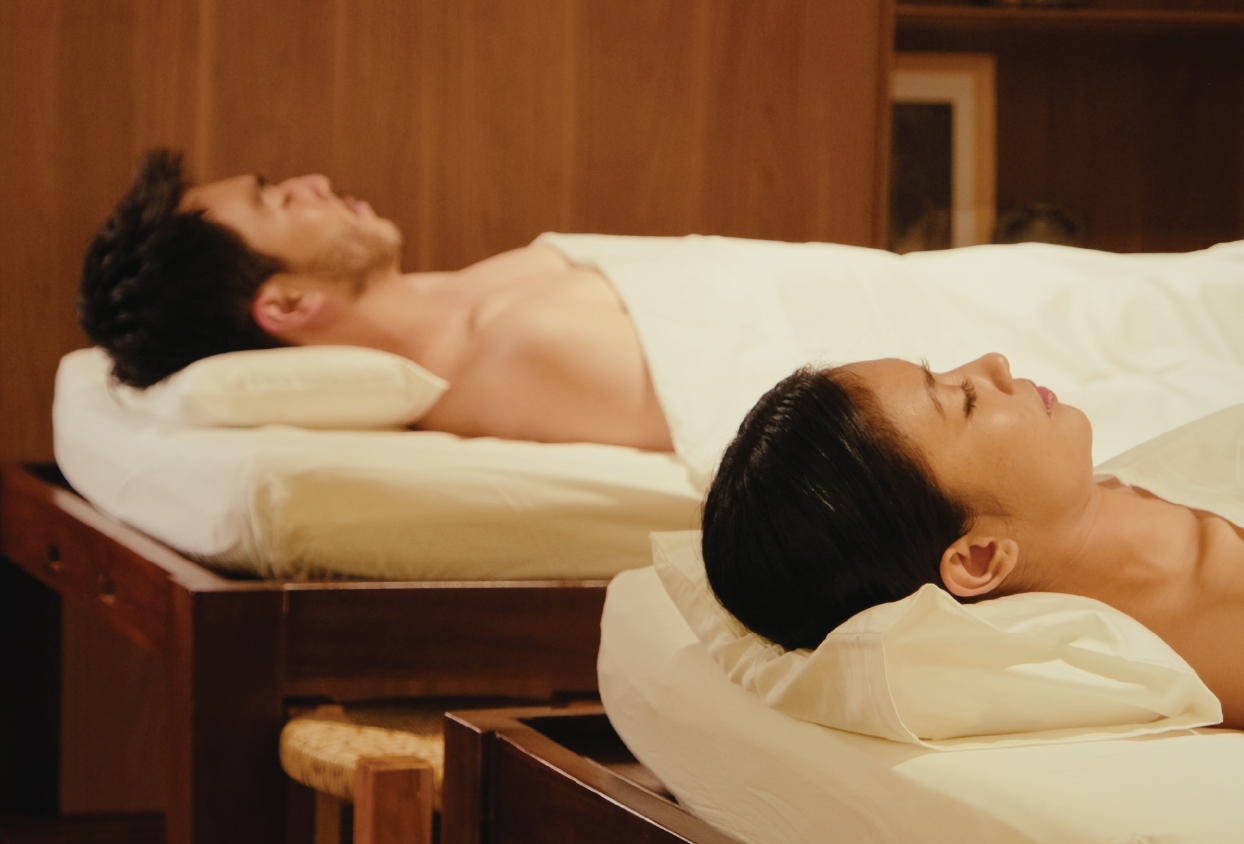
With appropriate pressure and rhythm, massage becomes a safe and effective recovery method. A calm environment further enhances the body’s ability to absorb its benefits.
Recovery is not just about technique. It is also about creating the right experience for deep relaxation.
Giving Your Body the Recovery It Deserves
Massage as a recovery method after intense activity is not a luxury. It is a natural process that supports circulation, releases muscle tension, and calms the nervous system.
At Aarti Wellness, each massage session is designed to help your body recover fully after demanding days. With mindful techniques and a soothing atmosphere, every treatment becomes a space for your body to return to its natural rhythm.
If you still feel tired even after stopping your activity, you may need more than rest. You may need true recovery. Give your body the time and care it deserves, and experience the difference at Aarti.