Have you ever felt heavy, easily sore, or constantly tired even without intense physical activity? Many people assume it is simply a lack of rest, yet it is often linked to suboptimal blood circulation. Healthy circulation plays a crucial role in keeping the body energized and balanced. This is where the function of massage in improving blood circulation becomes especially relevant, not just as relaxation, but as an important part of body care.
Massage is often seen as a luxury. However, beyond the sense of comfort it provides, real physiological processes take place. The right techniques help enhance blood flow, support organ function, and contribute to overall well being.
The Role of Blood Circulation in the Body
Blood circulation delivers oxygen and nutrients to tissues throughout the body while removing metabolic waste. When circulation flows efficiently, organs function more effectively and the body feels more energized.
Poor circulation, on the other hand, can lead to cold hands and feet, muscle tightness, and persistent fatigue. Over time, it may also affect sleep quality and immune strength.
Maintaining healthy circulation involves more than exercise and nutrition. It also requires allowing the body to relax and function naturally.
How Massage Enhances Blood Flow
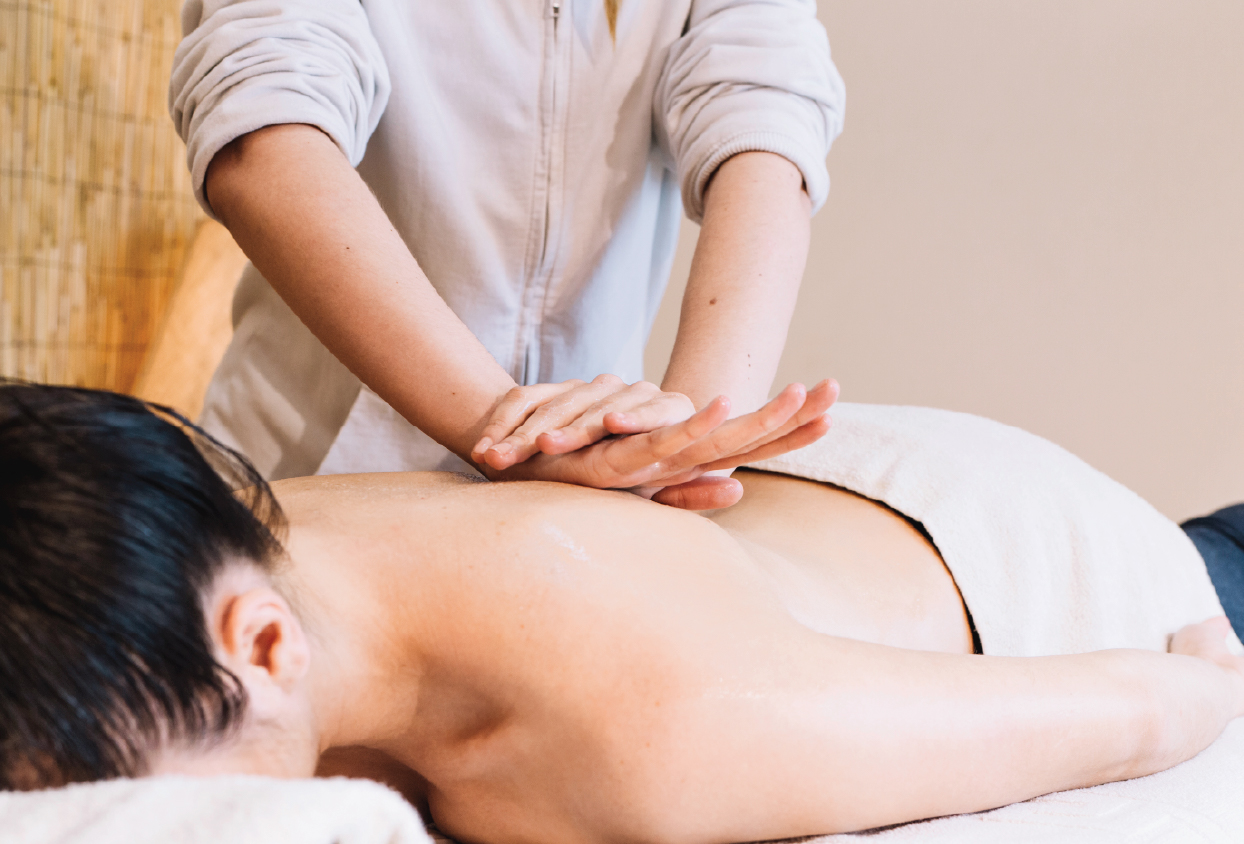
Massage applies rhythmic pressure and movement to soft tissues. These movements stimulate blood vessels to dilate, allowing blood to flow more freely.
When tense muscles are released, compressed blood vessels regain space, improving circulation. Oxygen delivery becomes more even throughout the body.
This effect extends beyond the treated area. That is why many people feel warmer and lighter after a massage session.
Read also: The Benefits of Massage for Reducing Stress and Work Fatigue
Releasing Muscle Tension to Support Circulation
Tight muscles can restrict blood flow. This tension often results from poor posture, repetitive movements, or prolonged stress.
Massage gradually loosens these tight areas. As muscles become more flexible, circulation improves naturally.
The result is not only greater comfort but also better efficiency in how the body performs daily functions. This is one reason massage is highly beneficial for those who frequently experience stiffness or soreness.
Increasing Oxygen Supply to Body Tissues
Improved circulation increases oxygen delivery to tissues. Oxygen is essential for cellular regeneration and muscle recovery.
After massage, many people notice steadier energy levels and reduced fatigue. This is not only due to relaxation but also to enhanced oxygen distribution throughout the body.
Better oxygenation supports recovery after physical exertion or long, demanding days.
Supporting the Lymphatic System
In addition to improving blood flow, massage also supports the lymphatic system. This system helps remove toxins and excess fluids from the body.
Gentle massage movements encourage lymph fluid to circulate rather than stagnate. As the body eliminates excess fluid, feelings of heaviness and swelling may decrease.
A well functioning lymphatic system indirectly supports blood circulation by reducing internal congestion.
Read also: Massage as a Way for the Body to Let Go of Control
Positive Effects on the Heart and Blood Vessels
Regular massage can help reduce tension in blood vessels. In a relaxed state, vessels adapt more easily, promoting smoother and more stable circulation.
While massage is not a replacement for medical treatment, it complements a preventive and balanced lifestyle approach.
When the body is relaxed, the cardiovascular system can function more efficiently.
Why the Body Feels Warmer After Massage
The warmth experienced after massage is a sign of improved circulation. As blood flow increases, natural body heat distributes more evenly.
This sensation often accompanies a feeling of comfort and ease. It indicates that massage works beyond the surface and positively influences internal systems.
The Connection Between Massage and Better Sleep
Healthy circulation plays a key role in sleep quality. When the body is relaxed and blood flows freely, the nervous system transitions more easily into rest mode.
Many people report deeper, more restorative sleep after massage. With reduced muscle tension and calmer thoughts, the body can recover more effectively overnight.
Quality sleep maximizes the benefits gained from improved circulation.
Read also: Why You May Feel Emotional After a Massage
Massage as Preventive Care
Massage is often sought only when discomfort appears. However, its greatest benefits are experienced when incorporated regularly into a wellness routine.
By maintaining healthy circulation over time, the body is less likely to accumulate tension. Energy remains stable, and minor issues can be addressed before they escalate.
This preventive approach aligns with holistic wellness principles that prioritize balance and long term health.
The Importance of Professional Treatment
Proper technique significantly influences results. Professional therapists understand the direction of blood flow and the appropriate level of pressure for each individual.
With guided and mindful techniques, the benefits of massage for circulation can be experienced safely and effectively.
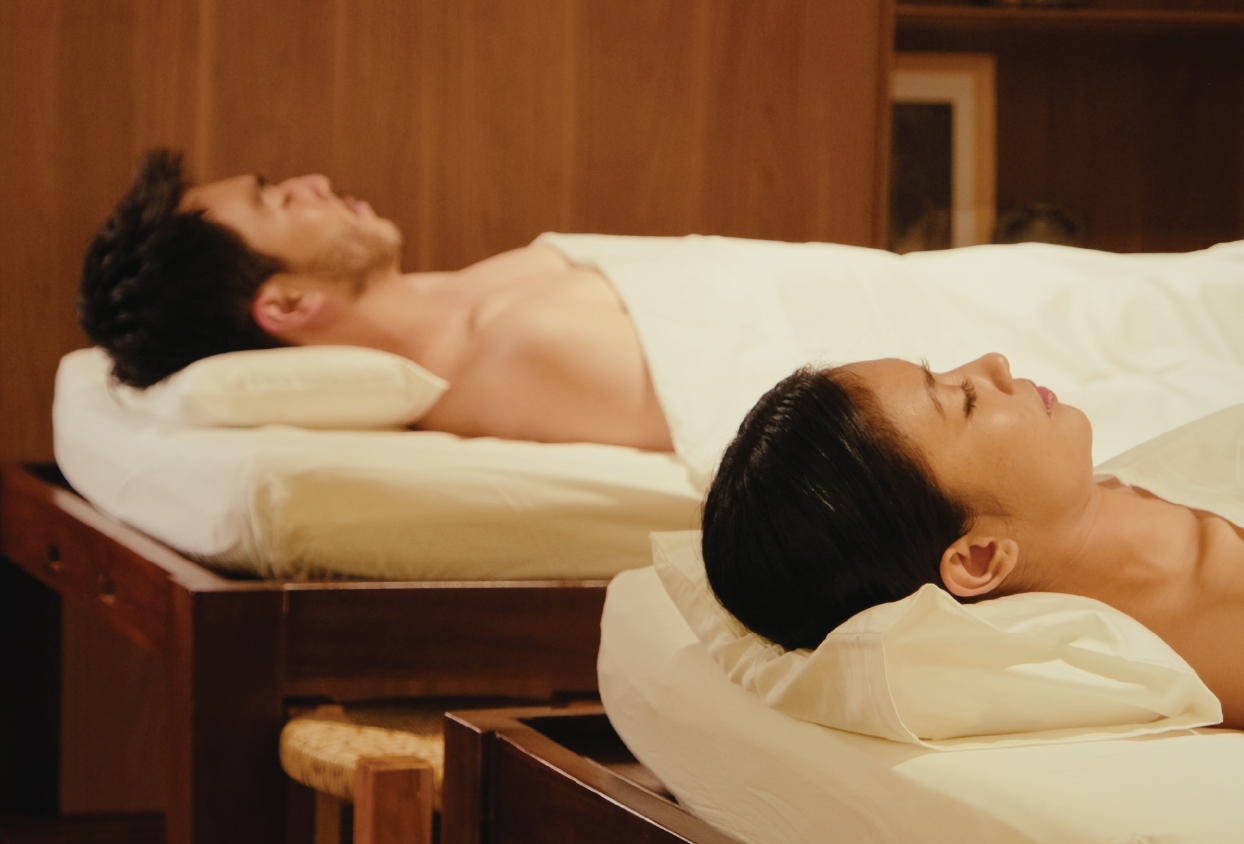
A calm environment also enhances the body’s ability to receive and integrate the treatment.
Supporting Circulation for Better Quality of Life
The function of massage in improving blood circulation goes beyond temporary comfort. It supports overall health by enhancing oxygenation, reducing tension, and improving energy levels.
At Aarti Wellness, massage treatments are designed to help restore balance in the body. With skilled techniques and a calming atmosphere, each session becomes an opportunity to improve circulation and release unnecessary tension.
If you wish to feel lighter, warmer, and more energized, this may be the right time to give attention to your circulation. Experience a comprehensive massage treatment and discover its lasting benefits at Aarti.