
Table of Contents
ToggleHair loss is not a problem exclusive to men. More than half of all women experience noticeable hair loss at some point in their lives, and its impact is often more severe because hair is closely tied to a woman’s sense of confidence and identity.
The good news is that not all hair loss is permanent. Many cases can be improved once the cause is identified and addressed properly.
Follow the review below on the common causes of hair loss in women, warning signs to look out for, and treatment steps you can take at home and at the salon.
Also Read: Hair Spa vs Creambath: What’s the Difference and Which Is Better?
4 Common Causes of Hair Loss in Women
The pattern of hair loss in women differs from men. Rather than thinning from the hairline, women typically experience even thinning at the top of the head while the front hairline remains intact. This pattern is known as female pattern hair loss, which is influenced by genetic and hormonal factors and increases in risk with age.
The causes themselves can vary widely, ranging from internal bodily changes to daily care habits.
1. Hormonal Changes
Hormonal changes are one of the primary triggers of hair loss in women. Hormone fluctuations during pregnancy, postpartum, approaching menopause, or due to conditions such as PCOS (polycystic ovary syndrome) can disrupt the hair growth cycle.
Thyroid disorders, both hypothyroidism and hyperthyroidism, are also frequently linked to even hair loss across the entire scalp.
2. Physical and Emotional Stress
Physical and emotional stress can trigger a condition called telogen effluvium, in which more hair enters the resting phase and falls out simultaneously. Triggers can include major surgery, drastic weight loss, or prolonged emotional pressure.
This type of hair loss usually appears two to three months after the triggering event and is generally temporary.
3. Nutritional Deficiencies
Nutritional deficiencies play a significant role in many cases of women’s hair loss. Low levels of iron, zinc, vitamin D, and protein can weaken follicles, making hair more prone to falling out.
Strict dieting or an unbalanced eating pattern is also a cause of hair loss that often goes unnoticed.
4. Improper Hair Styling Habits
Damaging styling habits accelerate hair loss from the outside. Using flat irons and hair dryers at high temperatures, repeated coloring with harsh chemicals, and tight hairstyles such as tight ponytails can weaken the hair shaft and roots over time.
Warning Signs of Hair Loss to Watch For
Losing a few strands of hair each day is normal. On average, a person loses 50 to 100 strands per day as part of the natural growth cycle.
Hair loss starts to warrant attention when the amount exceeds that range or when a thinning pattern becomes visible.
- More hair strands than usual on your pillow, brush, or shower drain. A consistent increase over several weeks signals a disruption in the hair growth cycle.
- A widening hair part. Thinning in the center of the scalp is a common hair loss pattern in women.
- A ponytail that feels increasingly thin, or you need fewer wraps when tying your hair compared to a few months ago.
- Scalp becoming visible in areas that were previously covered by hair, especially at the top of the head.
If hair loss is accompanied by other symptoms such as fatigue, irregular menstrual cycles, or unexplained weight changes, consult your doctor to check for possible medical causes such as thyroid disorders or nutritional deficiencies.
How to Address Hair Loss at Home
The first step in addressing hair loss is correcting habits that may be contributing to it, then providing the support that follicles need to recover and regrow.
1. Improve Your Nutritional Intake
Ensure your daily diet includes sources of iron (red meat, spinach, legumes), zinc (eggs, seeds), and adequate protein. Vitamin D from morning sunlight also supports follicle health.
If you suspect a deficiency, a simple blood test can provide a clearer picture of the nutrients you need.
2. Reduce Heat and Chemical Exposure
Limit the use of flat irons and hair dryers at high temperatures. If you must use heat tools, apply a heat protectant first. Allow enough time between coloring sessions so the hair and scalp can recover.
3. Choose a Gentle Shampoo
Sulfate-free shampoos tend not to strip the scalp and hair shaft of moisture. Avoid washing your hair too frequently, as excessive shampooing can remove the hair’s natural protective oils.
4. Manage Stress Effectively
Hair loss from telogen effluvium is temporary but will continue as long as the trigger remains. Activities such as yoga, meditation, or regular exercise help lower cortisol levels that affect the hair growth cycle.
5. Avoid Hairstyles That Pull at the Roots
Tight ponytails, overly tight braids, or heavy hair extensions place excessive tension on the follicles.
If this continues over time, excessively tight hairstyles can cause permanent hair loss known as traction alopecia. Choose looser hairstyles to reduce strain on the roots.
Also Read: Causes of Dull Hair and How to Overcome It with Hair Treatment
Complete Your Hair Care with Professional Treatment at Aarti Wellness Wijaya
Daily care helps prevent hair loss from worsening, but weakened follicles often require deeper treatment than what shampoo or supplements can provide.
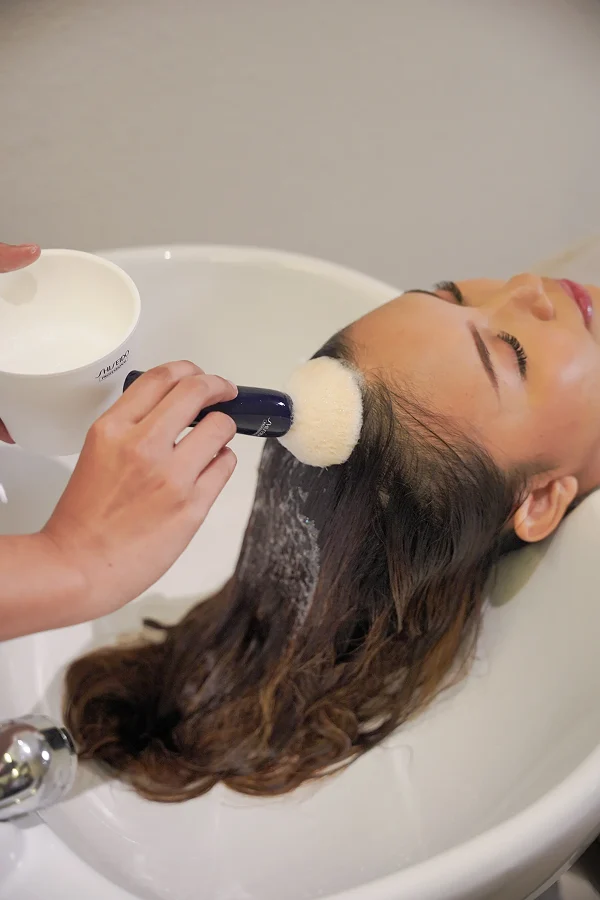
At Aarti Wellness Wijaya, all hair treatments use Shiseido products with proven quality. For scalps that need deep cleansing, Intensive Scalp Detox helps remove buildup that can hinder hair growth.
Scalp & Hair Rejuvenation is available in two variants to suit your hair needs: Revitalizing to nourish the scalp and Volumizing to restore volume to thinning hair. There is also Advance Hair Transformation, which covers treatment from the scalp to the hair tips in a single session.
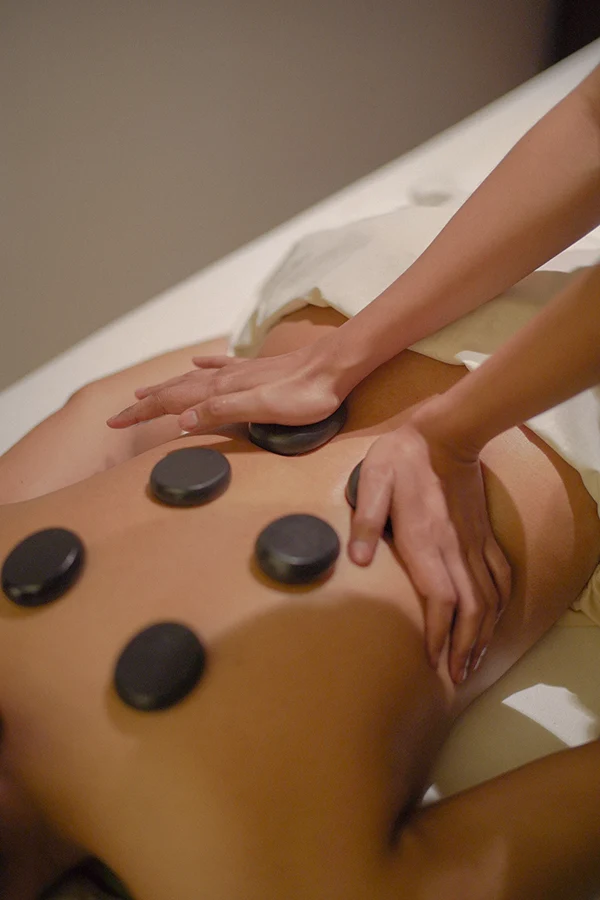
Every hair spa treatment at Aarti also includes a hot stone massage for relaxation and circulation. For information and reservations, visit the Aarti Wellness Hair page.