
Table of Contents
ToggleFoot reflexology is often mistaken for a regular foot massage. In fact, these two types of massage work with very different approaches.
Foot reflexology applies pressure to specific points on the soles of the feet that are believed to be connected to other organs and systems in the body.
The following informative review will walk you through what reflexology is, the main reflex points on the soles of the feet, five benefits for the body and mind, and the fundamental difference between reflexology and a regular foot massage.
Also Read: The Powerful Benefits of Foot Reflexology Massage for Your Body
What Is Foot Reflexology and How Is It Different from a Regular Foot Massage?
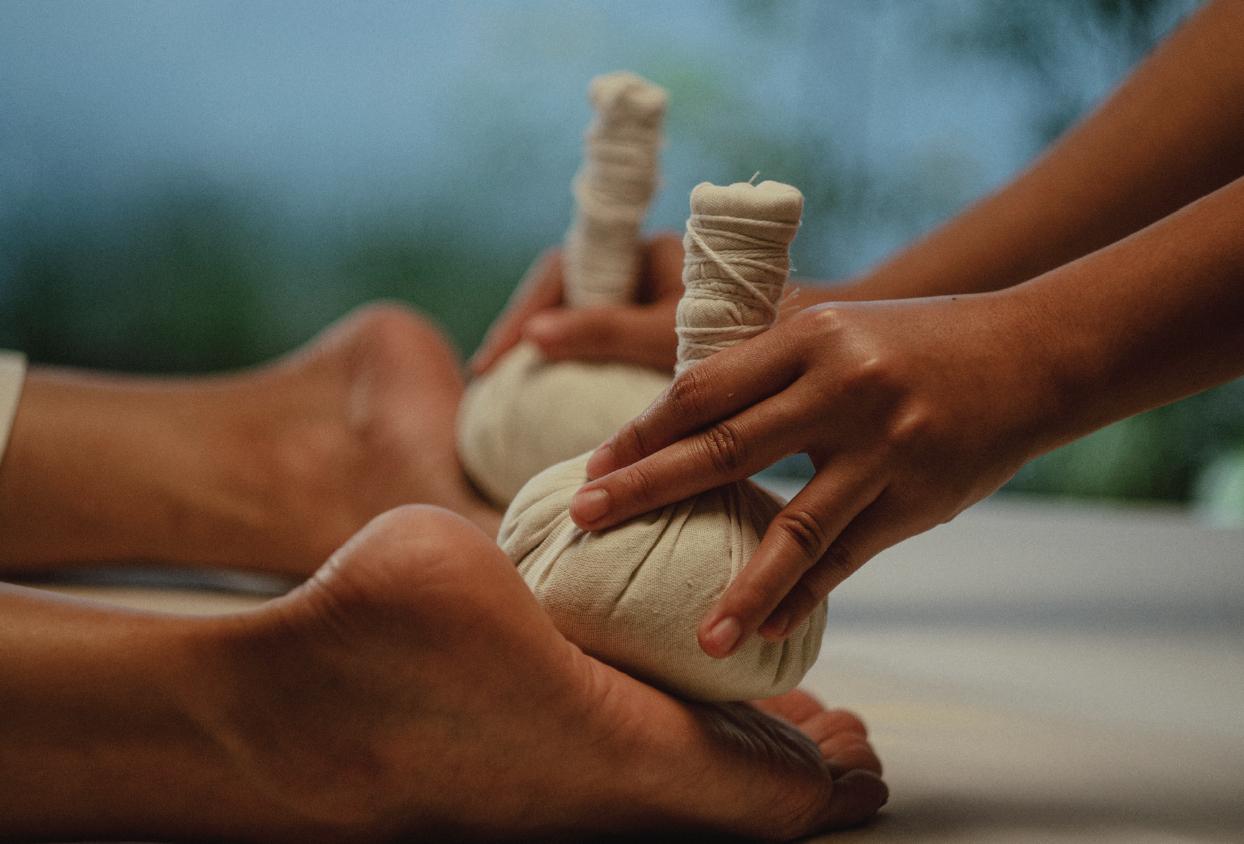
Foot reflexology is a complementary therapy that uses finger and thumb pressure on specific points of the soles of the feet. Each point is believed to represent a particular organ or part of the body.
The practice of foot reflexology is rooted in ancient healing traditions from Egypt, China, and India, and was later systematically developed by Eunice D. Ingham in the 1930s through zone therapy mapping that still forms the basis of modern practice (Embong et al., 2015).
The main difference from a regular foot massage lies in the purpose and technique. A regular foot massage focuses on muscles, tendons, and soft tissue to relieve local stiffness and fatigue in the foot area. Foot reflexology works based on a zone map, where pressure on a specific point aims to influence the body’s balance more broadly, not just the area of the foot being massaged.
Key Reflex Points on the Soles of the Feet
The soles of the feet are divided into several zones, each believed to be connected to a specific part of the body, including:
- The tips of the toes are associated with the head, brain, and sinuses.
- The ball of the foot is associated with the chest, lungs, and heart.
- The arch is associated with digestive organs such as the stomach, liver, and kidneys.
- The heel is associated with the pelvic area, lower back, and sciatic nerve.
Trained reflexology therapists use a foot map as a guide when applying targeted pressure.
That said, it is important to remember that the relationship between reflex points and body organs remains a subject of ongoing research, and foot reflexology is not intended as a substitute for medical diagnosis or treatment.
5 Benefits of Foot Reflexology for Body and Mind
Research over the past two decades shows several benefits of foot reflexology that have been consistently found across various clinical studies (Cai et al., 2023). Here are five of them:
1. Relieving Stress and Reducing Physical Tension
The soles of the feet have a very dense concentration of nerve endings. Pressure on this area sends signals to the central nervous system that help decrease sympathetic nervous activity (the body’s fight-or-flight response). As a result, the heart rate slows and muscle tension decreases.
Research shows that foot reflexology can measurably lower cortisol levels and support the body in entering a deeper state of relaxation (McCullough et al., 2014).
Foot reflexology is therefore an option for anyone looking for a way to relieve daily stress without relying on medication.
2. Improving Blood Circulation and Reducing Fatigue
Massage on the soles of the feet stimulates local blood flow and helps dilate blood vessels in the extremities. Better circulation delivers oxygen and nutrients to tissues more efficiently.
For those who spend a lot of time standing or sitting throughout the day, foot reflexology helps alleviate the feeling of heaviness and fatigue in the legs. Improved circulation also supports muscle recovery after physical activity, leaving the feet feeling lighter after a session.
3. Helping Relieve Pain
Stimulation of reflex points triggers the release of endorphins and serotonin, the body’s natural neurotransmitters that function as pain relievers and mood regulators.
Several studies have found that foot reflexology can help reduce post-operative pain, lower back pain, and tension in specific areas (Embong et al., 2015).
Foot reflexology is not a replacement therapy for chronic pain conditions, but as a complementary treatment, it can help improve overall comfort.
4. Supporting Better Sleep Quality
Foot massage increases skin temperature in the extremities through blood vessel dilation. This rise in temperature at the soles of the feet naturally triggers a drowsiness response and speeds up sleep onset.
Combined with decreased sympathetic nervous activity and the release of serotonin that supports melatonin production, foot reflexology becomes a ritual that supports sleep quality.
Performing foot massage regularly in the evening can help you build a more consistent rest pattern.
5. Maintaining Overall Body Balance
Foot reflexology works on the principle that the body has the ability to balance itself when given the right stimulation. Pressure on reflex points aims to support this natural process, not replace medical functions.
Many people report feeling lighter, mentally clearer, and more energized after a reflexology session. Although the exact mechanism is still being studied, the cumulative effects of relaxation, improved circulation, and neurotransmitter release contribute to the sense of balance that is often reported.
Also Read: The Benefits of Massage for Reducing Stress and Work Fatigue
Add Foot Reflexology to Your Treatment Routine
The benefits of foot reflexology become more noticeable when it is part of a more complete treatment routine, rather than a standalone session.
At Aarti Wellness Wijaya, you can add Hand & Foot Reflexology as a complement after a main treatment such as Traditional Massage or Deep Release Massage.
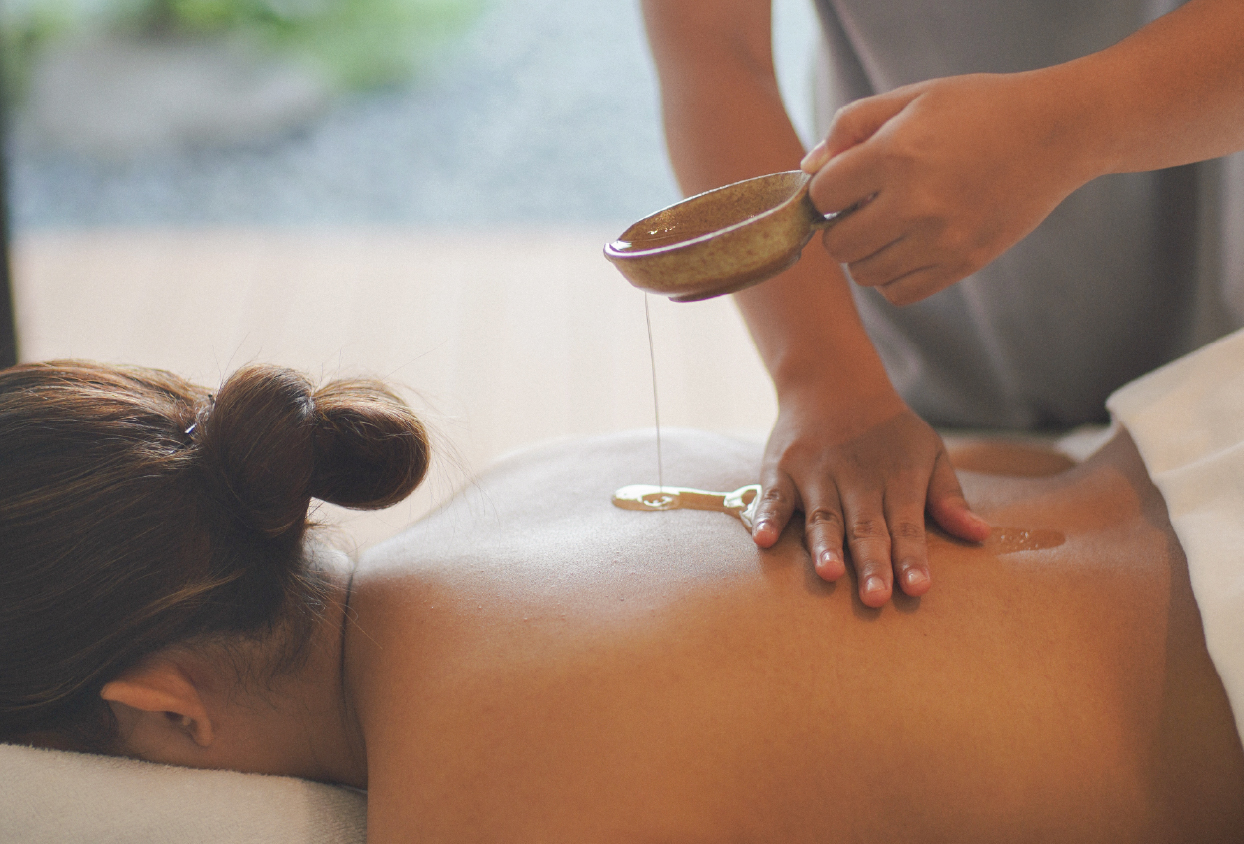
Another option you can try is the Ultimate Aromatherapy Healing, which already includes foot reflexology as part of its treatment sequence, combined with a back massage and custom-blended oils.
For information and reservations, visit the Aarti Wellness Massage page now.
References
- Cai, Y., Chen, G., & Lo, S.K. (2023). Foot Reflexology: Recent Research Trends and Prospects. Healthcare, 11(1), 9.
- Embong, N.H., Soh, Y.C., Ming, L.C., & Wong, T.W. (2015). Revisiting Reflexology: Concept, Evidence, Current Practice, and Practitioner Training. Journal of Traditional and Complementary Medicine, 5(4), 197–206.
- McCullough, J., Liddle, S., Sinclair, M., Close, C., & Hughes, C.M. (2014). The Physiological and Biochemical Outcomes Associated with a Reflexology Treatment: A Systematic Review. Evidence-Based Complementary and Alternative Medicine, 2014, 502123.