
Table of Contents
TogglePregnancy naturally brings many changes to the body, from back pain and swollen feet to muscle tension that lingers throughout the day. Prenatal massage offers a way to relieve the discomfort you experience through an approach specifically adapted for the safety of both mother and baby.
The following review covers the definition of prenatal massage, the right time to have one, research-backed benefits, and the techniques and body areas that require attention.
Note: This article is informational and is not a substitute for medical consultation. Pregnant women who wish to undergo prenatal massage should consult with their obstetrician first.
Also Read: Why Physical Relaxation Matters for Hormonal Balance
What Is Prenatal Massage?
Prenatal massage is a therapeutic bodywork treatment designed specifically for the needs of pregnant women. Unlike regular massage, prenatal massage techniques use light to moderate pressure and avoid areas and positions that may pose risks during pregnancy.
The most commonly used approach is Swedish massage, which focuses on muscle relaxation and improved blood circulation through gentle strokes (American Pregnancy Association, 2026). Therapists trained in prenatal massage understand the anatomical changes that occur during pregnancy and will adjust their techniques according to your gestational age.
However, it is important to remember that prenatal massage is not a medical treatment. It is a complementary care practice aimed at enhancing the physical and emotional comfort of the mother during pregnancy.
When Is the Right Time for Prenatal Massage?
Most health practitioners recommend prenatal massage starting from the second trimester, after the pregnancy has passed 12 weeks. By this period, the risk of morning sickness has generally subsided and the pregnancy is more stable (Cleveland Clinic, 2026).
The recommended frequency is once every two weeks. Toward the end of the third trimester, frequency can be increased to once per week, depending on individual needs and with the doctor’s approval.
However, prenatal massage should be avoided if you have certain health conditions. Consult with your obstetrician first if you have a risk of preterm labor, preeclampsia, gestational hypertension, blood clotting disorders, or placental complications (Cleveland Clinic, 2026).
3 Benefits of Prenatal Massage Based on Research
Research shows that prenatal massage performed regularly provides several measurable benefits for expectant mothers, including:
1. Reducing Pain and Anxiety
As body weight increases during pregnancy, pressure on the lower back, hips, and legs rises significantly.
Research by Mueller et al. (2021) found that relaxation massage during pregnancy can help reduce back pain, leg pain, and anxiety levels, with minimal side effects in uncomplicated pregnancies.
2. Supporting Hormone Balance and Sleep Quality
Research by Field et al. (2004) showed that pregnant women who received massage regularly over five weeks experienced decreased stress hormones (norepinephrine and cortisol) as well as increased serotonin and dopamine levels. These hormonal changes are associated with improved mood and better sleep quality.
3. Reducing Swelling
Pressure from the enlarging uterus can impede blood circulation in the legs and cause swelling (edema).
Prenatal massage helps stimulate soft tissue to reduce fluid accumulation in the joints, while also supporting the lymphatic system in removing metabolic waste from the body (American Pregnancy Association, 2026).
Safe Techniques and Positions During Prenatal Massage
Safety is the top priority in every prenatal massage session. Both the techniques and body positions need to be adjusted so that mother and baby remain comfortable throughout the session.
1. Recommended Positions
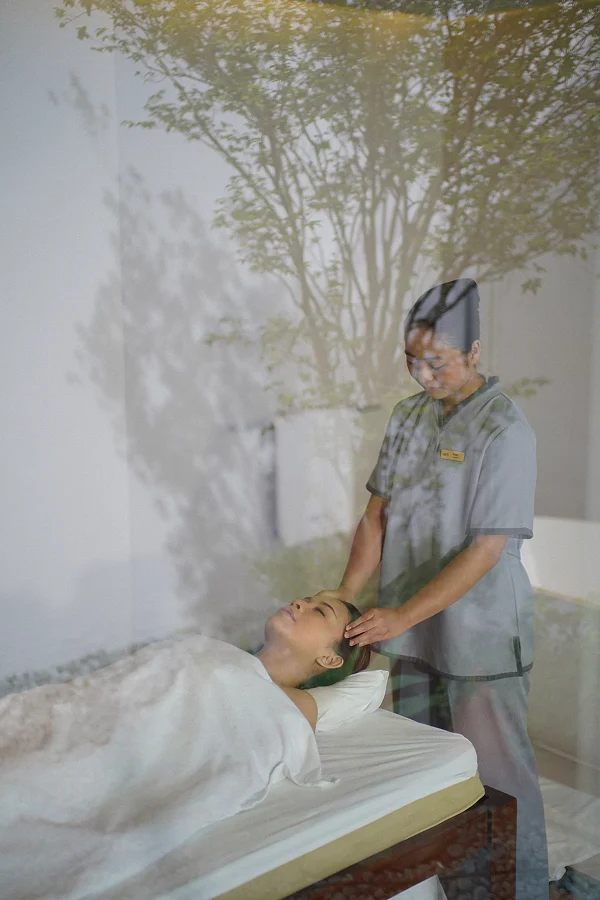
The recommended position is side-lying with a support pillow between the knees and beneath the belly. This position prevents pressure on the vena cava inferior, the large blood vessel that carries blood from the lower body to the heart.
After 20 weeks of pregnancy, the supine position is not recommended because it can lower blood pressure and reduce blood flow to the uterus. A semi-reclining position can also be a comfortable alternative, especially for twin pregnancies or gastric reflux complaints (Cleveland Clinic, 2026).
2. Areas to Avoid
Professional therapists, such as those at Aarti Wellness Club Menteng and Aarti Wellness Wijaya, will avoid certain areas during prenatal massage.
The abdomen is not massaged because it risks causing discomfort and contractions. Deep pressure on the legs is also avoided because the increased blood volume during pregnancy makes expectant mothers more susceptible to blood clots.
Certain acupressure points around the ankle and between the thumb and index finger are also generally avoided. These points are traditionally believed to stimulate contractions, although the scientific evidence for this claim remains limited.
Also Read: How to Build a Self-Care Routine Amid a Busy Schedule
Experience Professional Prenatal Care at Aarti Wellness
Choosing a trained and experienced therapist for prenatal massage provides peace of mind along with a more optimal experience. Before the session begins, make sure to inform the therapist of your gestational age and health conditions so that the techniques and intensity can be adjusted.
At Aarti Wellness, Prenatal Massage is available in 60-minute or 90-minute durations at both the Wijaya and Menteng locations. The Aarti Wellness team conducts a brief consultation before the treatment to understand your needs and ensure the session is comfortable.
For those who also want to maintain body flexibility during pregnancy, Aarti Wellness Club Menteng offers Gentle Yoga classes that can complement your prenatal care, with your obstetrician’s approval of course.
For more information and reservations, visit the Aarti Wellness Massage page.
References
- Field, T., et al. (2004). Massage Therapy Effects on Depressed Pregnant Women. Journal of Psychosomatic Obstetrics and Gynaecology, 25(2), 115–122.
- Mueller, S. M., et al. (2021). Effects, Side Effects and Contraindications of Relaxation Massage During Pregnancy: A Systematic Review of Randomized Controlled Trials. Journal of Clinical Medicine, 10(16), 3485.
- American Pregnancy Association. (2026). The Benefits of Prenatal Massage Therapy. americanpregnancy.org
- Cleveland Clinic. (2026). Considering a Prenatal Massage? Here’s What to Know. health.clevelandclinic.org