
Table of Contents
ToggleAmong the various wellness practices rooted in Asian tradition, reiki is perhaps one that most often sparks both curiosity and questions.
There’s no movement, no equipment, and no medicine. All there is, is a practitioner placing their hands over your body for several minutes at each area.
Reiki originated in Japan and is built on the belief that there is a universal life energy flowing through every living being. When the flow of that energy is obstructed, the body becomes more susceptible to stress and imbalance.
Reiki aims to help restore the smooth flow of that energy through gentle touch or the laying of hands.
So, what actually happens during a reiki session, and what results can you realistically expect from this practice? Check the full discussion here.
Also Read: Wellness Retreat vs Urban Spa: Which One Is Right for You?
The Origin and Meaning of Reiki
The word “reiki” is made up of two Japanese syllables. Rei means “universal” and ki means “life energy,” a concept similar to qi in Chinese tradition or prana in Indian tradition. Reiki literally means “universal life energy.”
The practice of reiki was developed by Mikao Usui in Japan in the 1920s. Usui created a system that would later become known as Usui Reiki Ryoho, which was taught to more than 2,000 people during his lifetime.
From Japan, reiki then spread to the United States through Hawayo Takata in the 1970s, and since then has continued to grow around the world.
It’s also worth knowing that reiki is not part of any particular religion. Although it has a spiritual dimension, the practice doesn’t require any specific belief to participate in.
What Happens During a Reiki Session?
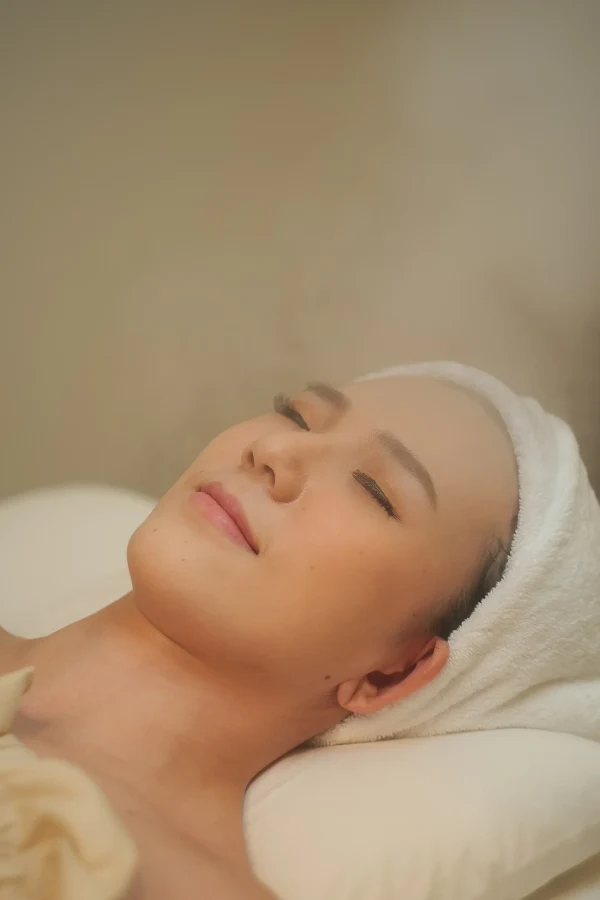
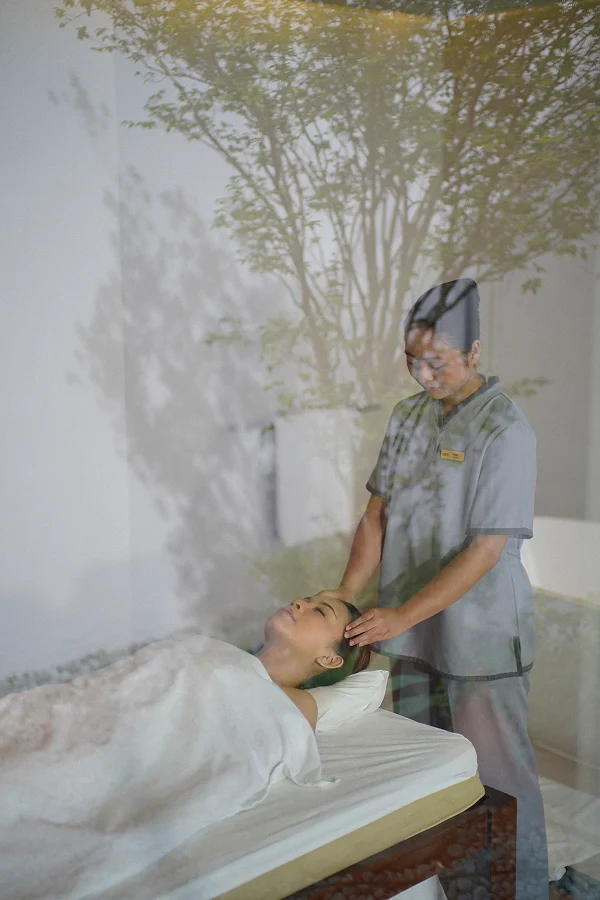
A reiki session usually lasts 60 to 90 minutes. You remain fully clothed and lie on a treatment table or sit in a comfortable chair. A reiki session is very effortless, with no physical pressure or muscle manipulation; you don’t even have to move actively.
The practitioner places their hands gently on or just above certain areas of your body, from the head, shoulders, chest, and abdomen, down to the legs. Each position is held for several minutes before moving to the next area. Some practitioners also direct their hands to areas they feel need more attention.
During the session, you may feel a warm sensation from the practitioner’s hands, a mild tingling, or simply a deep calm. Some people even fall asleep during the session.
Everyone’s reiki experience is different, so there’s no “right” or “wrong” response.
What Results Can You Expect From Reiki?
One important thing to understand from the start is that reiki doesn’t have sufficient scientific evidence as a treatment for specific medical conditions.
A systematic review of clinical trials published in the International Journal of Clinical Practice found that the available evidence is not sufficient to conclude that reiki is an effective treatment for any health condition, and its mechanism of action also remains hypothetical.
Even so, many people who try reiki report an experience of deep relaxation, a decrease in anxiety, and a feeling of calm that lingers after the session.
Because of its very gentle and non-invasive nature, reiki is generally considered safe as a complementary practice; a supplement to the care or therapy you already undergo.
So reiki should not be used as a substitute for medical care. If you have a health condition that needs attention, consult your doctor first.
Reiki can be a complement, not a replacement.
Also Read: What Is a Private Spa and Why Has It Become a Favorite Treatment?
Try Reiki in a Different Format at Aarti Wellness Club
Reiki is a Japanese relaxation practice that uses the hands to help the body rediscover its energy balance. Although the scientific evidence remains limited, many who have tried it report an experience of deep calm and reduced stress after completing a reiki session.
At Aarti Wellness Club Menteng, reiki is offered in a unique format through the Yin & Reiki class. This class combines long-held Yin Yoga poses with reiki touch from the instructor while you are in those positions.
The class format creates an experience different from a traditional reiki session, because your body is already in an open and relaxed state from the Yin Yoga when the reiki energy is directed.
See the latest class schedule on the Aarti Wellness Club class page.
References
- Lee, M.S., Pittler, M.H., & Ernst, E. (2008). Effects of Reiki in Clinical Practice: A Systematic Review of Randomised Clinical Trials. International Journal of Clinical Practice, 62(6), 947-954.
- Medical News Today. (n.d.). What Is Reiki and How Does It Work? Accessed from medicalnewstoday.com