
Table of Contents
ToggleThere’s an irony that feels quite familiar to many people: you know your body needs rest, but the moment there’s free time, what shows up instead is guilt. It feels like there should be something to work on. You should be more productive. You shouldn’t “just” sit still.
The pressure to always be busy that you experience isn’t merely a feeling.
Modern work culture often equates a person’s worth with their productivity, so rest ends up feeling like a luxury that has to be “earned” first, rather than a need that deserves to be met as a matter of course.
In reality, though, the body and mind need space to stop, and that space isn’t a complement to productivity, but the core of good long-term productivity.
Also Read: How to Build a Self Care Routine in the Middle of a Busy Life
Why Rest Isn’t a Luxury
When you work without a break for a long stretch of time, the nervous system stays on alert. Cortisol keeps being produced, the muscles stay tense, and the brain never truly shifts from work mode into rest mode.
Over time, the cumulative effect is felt: concentration declines, emotions are triggered more easily, and exhaustion doesn’t go away even after enough sleep.
A meta-analysis of 22 experimental studies published in PLOS ONE found that short breaks during the workday, even ones lasting only a few minutes, consistently increased vigor and reduced fatigue among participants, regardless of the type of work or the length of the break.
That means the positive effect of rest isn’t merely anecdotal. It’s documented and can be replicated.
But a short break in the middle of the workday is only one form of rest. What’s more often overlooked is the need for broader space, both physical and mental, to truly stop from daily demands.
4 Forms of Rest Space That Are Often Overlooked
Rest isn’t only about sleep. Below are four forms of rest space that are often not counted as “rest,” even though they’re just as important:
-
Physical Space Unrelated to Work
If your desk is visible from your bed, or your laptop is open on the dining table, the brain keeps receiving visual reminders that work is waiting.
Having one space, even one corner, that’s completely free of work attributes can help the body recognize the signal that it’s allowed to rest.
-
Guarded Time Space
Rest that isn’t scheduled tends not to happen. There’s always one more email to answer, one more task that will “only take a moment.”
Scheduling rest time with the same intent as scheduling a meeting, that is, as a commitment that can’t be moved, is a step that sounds simple but is hard to do, and that’s exactly why it matters.
-
Quiet Sensory Space
The eyes, ears, and brain are bombarded with stimulus all day: screens, notifications, conversations, traffic, background music.
Giving your senses a break from all of this, even just 15 minutes in a calm state without screens and without sound, can be a form of rest whose impact often surprises people.
-
Emotional Space to Not Be Held Accountable
Many people “rest” but still feel responsible: answering messages, being available for others, thinking about family needs.
Resting emotionally means giving yourself permission to temporarily not respond, not think about anyone else, and not feel guilty about it.
How Do You Rest the Right Way?
Giving yourself space to rest doesn’t have to mean a big vacation or a drastic lifestyle change. The first step is often far smaller than imagined.
Start with one thing. Schedule one block of time in a week, even just 30 minutes, that’s truly your own. Not to catch up, not for “personal productivity,” but to do nothing that requires you to produce something. Guard that block of time the way you’d guard an important meeting schedule.
Notice what happens. Do you feel calmer the next day? Does your concentration improve? Are your emotions more stable?
Noticing the positive effect of rest, however small, will strengthen the belief that this time wasn’t wasted, but spent on the most basic thing: keeping you able to function.
Also Read: Self Care Is Not Selfish: Learning to Put Yourself First
Aarti Wellness: A Space for You to Rest
Having space to rest isn’t a luxury. If that need keeps being ignored, it will keep building into chronic exhaustion, declining concentration, and difficulty managing emotions.
A space to rest can be a corner at home free of work attributes, a block of time guarded every week, a sensory break without screens, or emotional permission to temporarily not respond to anyone.
It can also be a physical place specifically designed to help you truly recover.
Like Aarti Wellness, which exists as a space for you to pause for a moment from the busyness of daily routine.
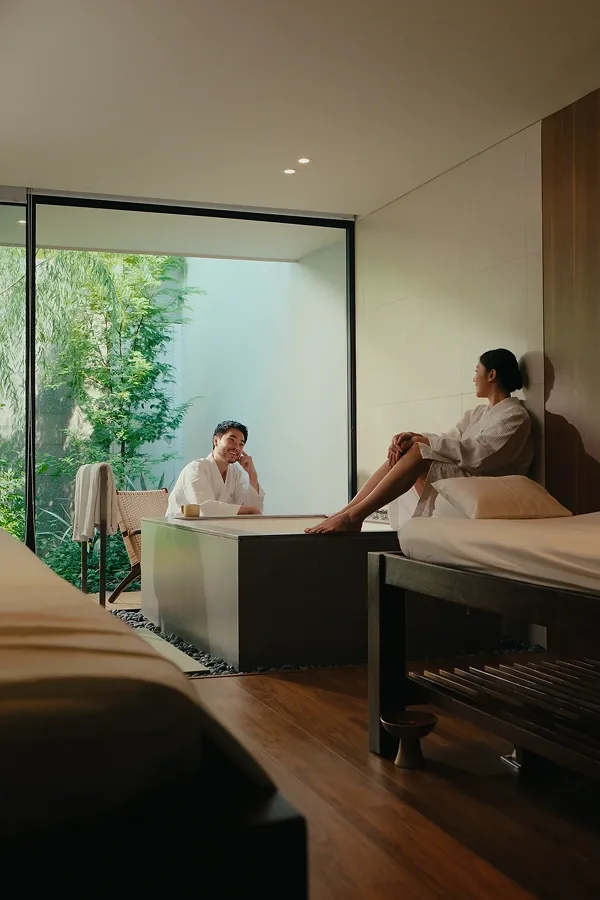
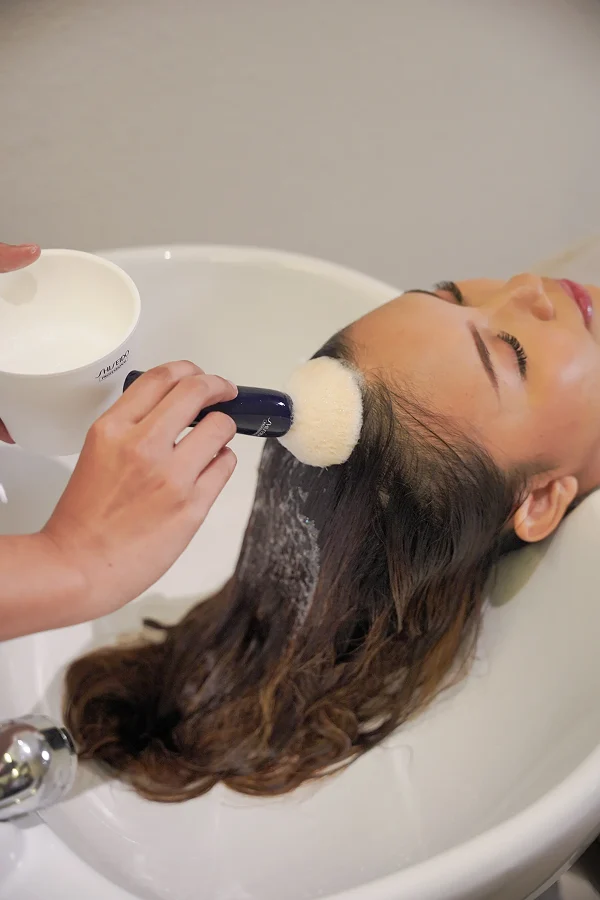
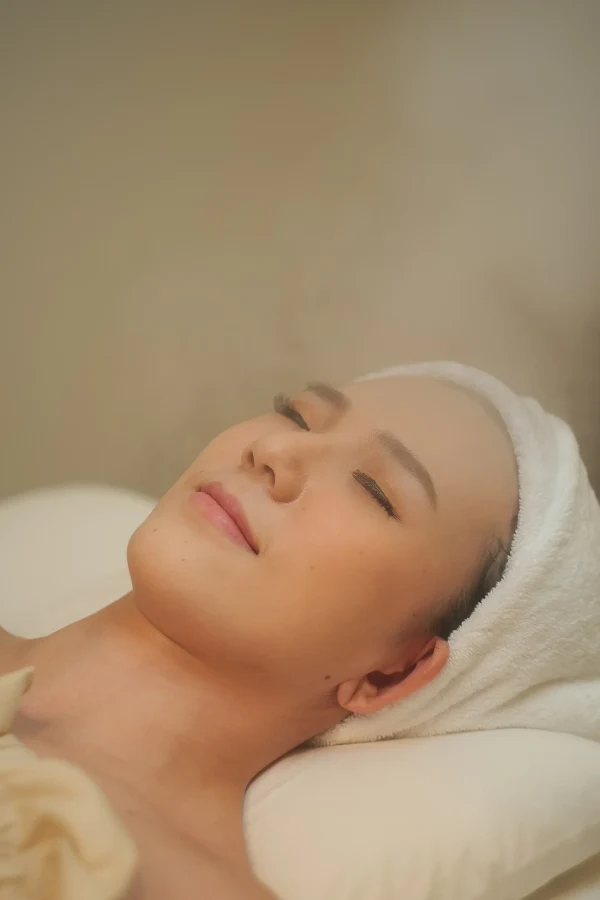
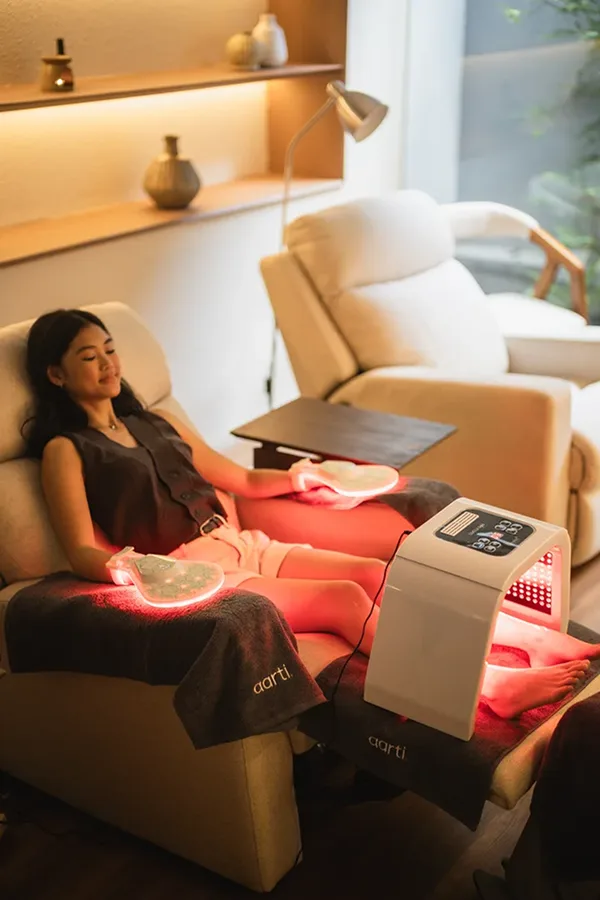
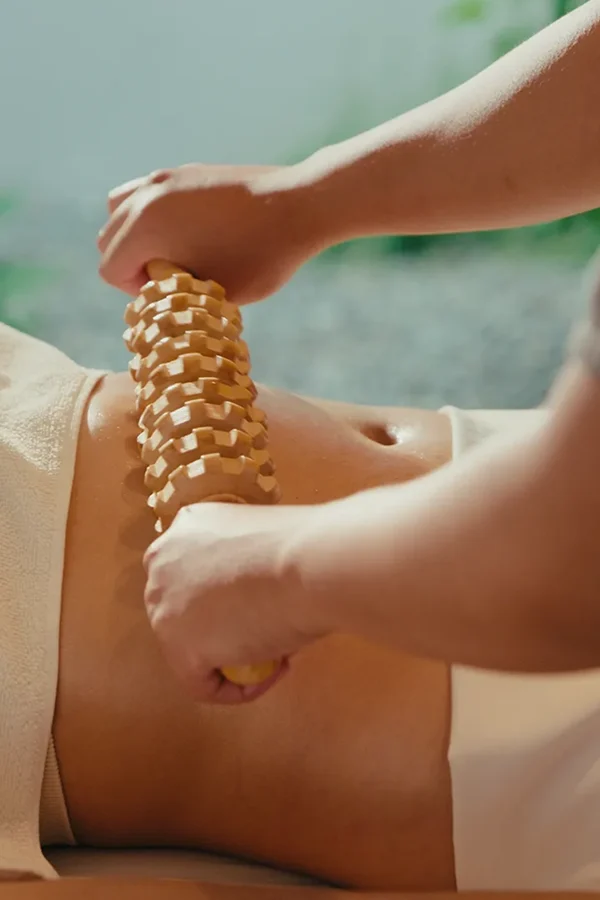
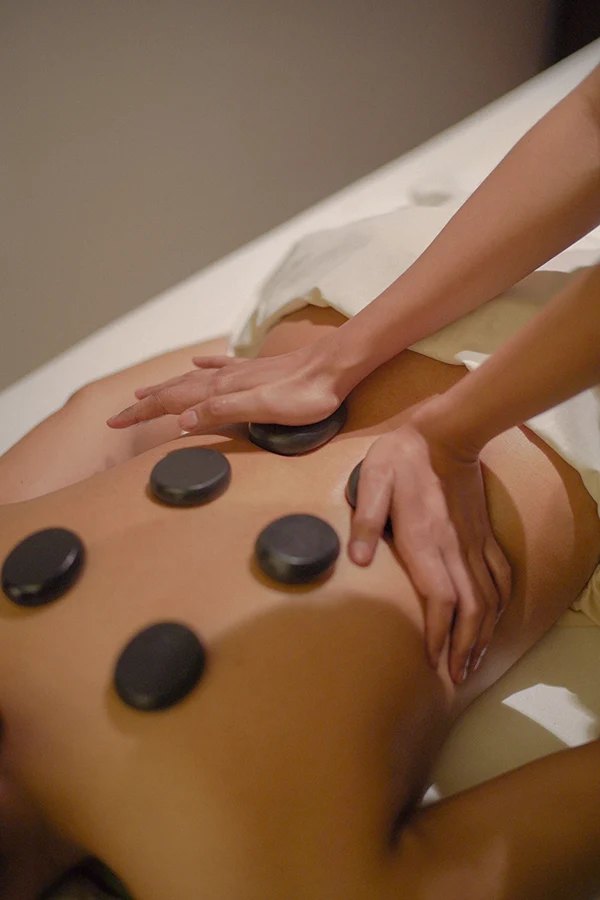
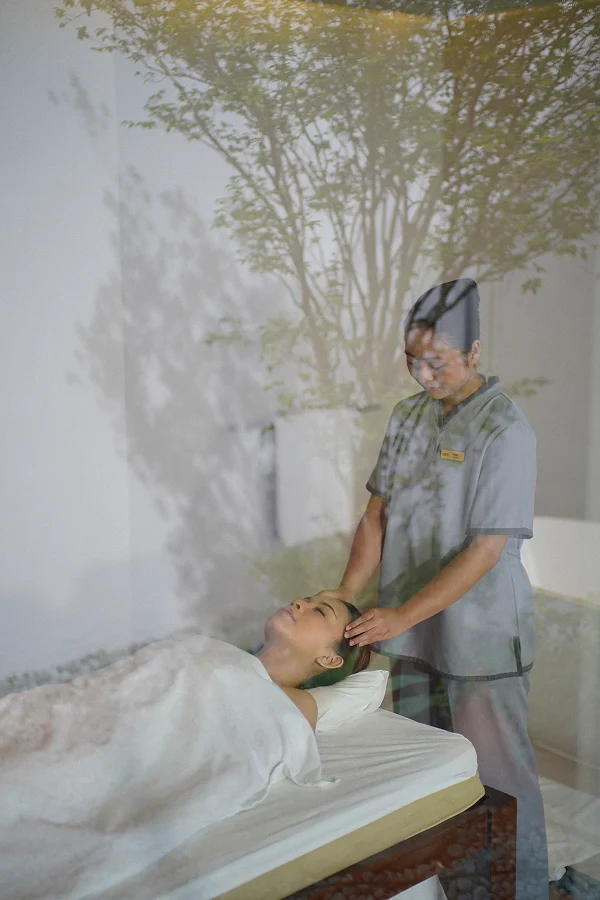
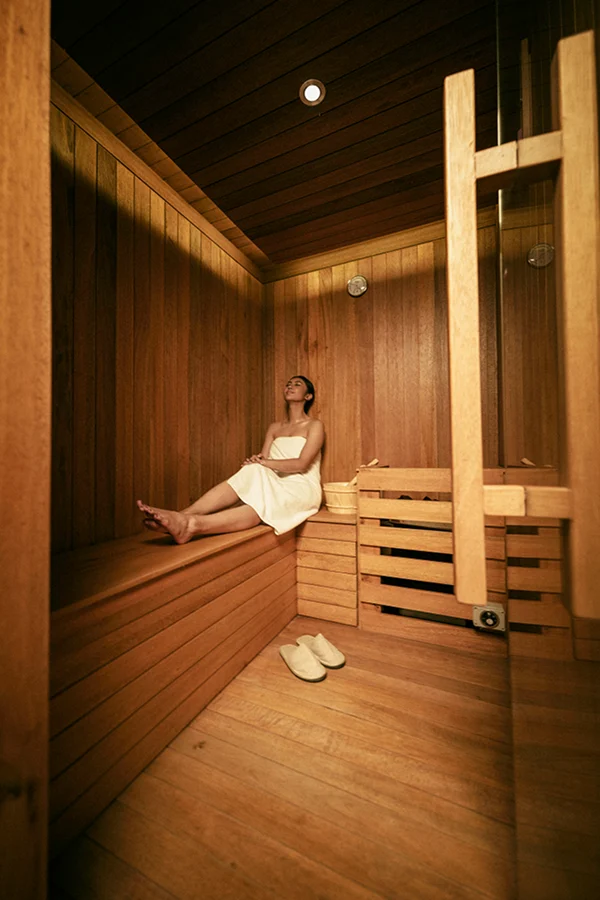
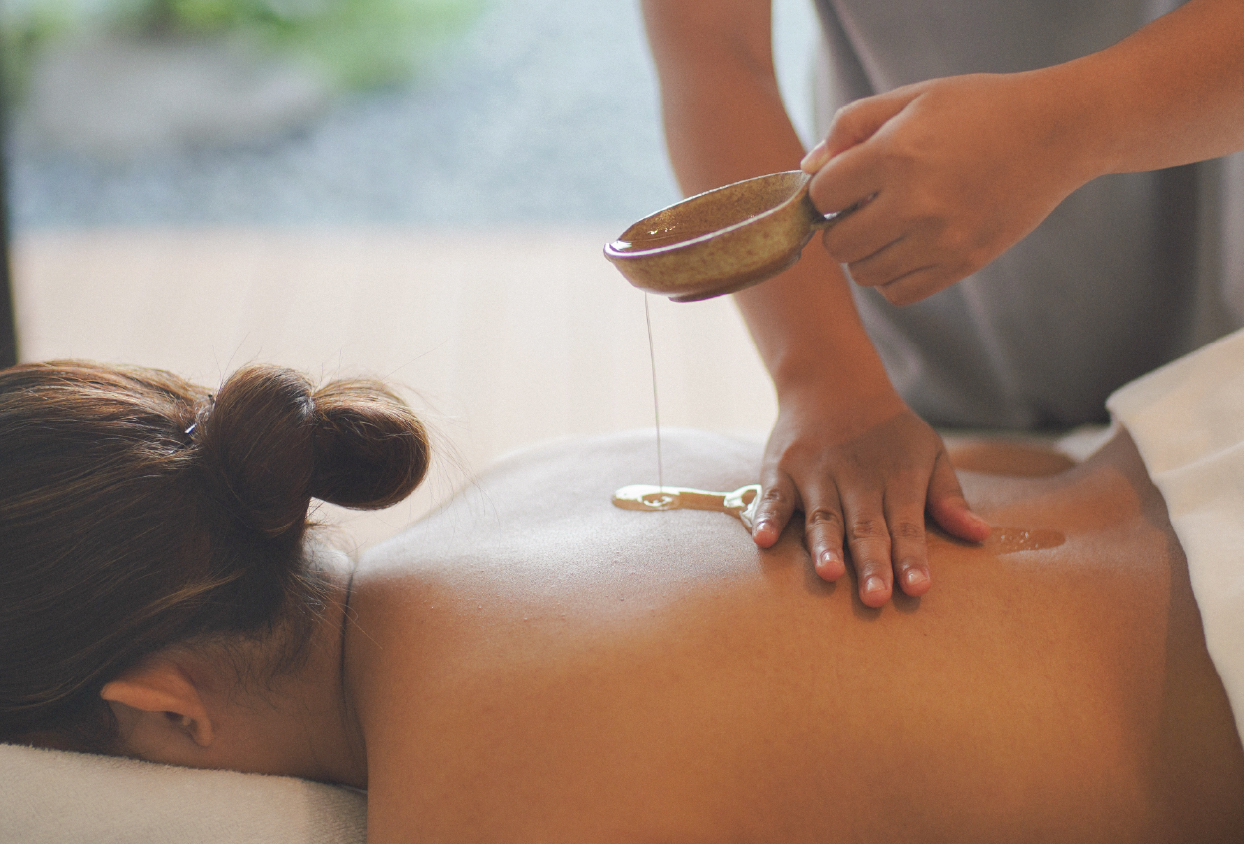
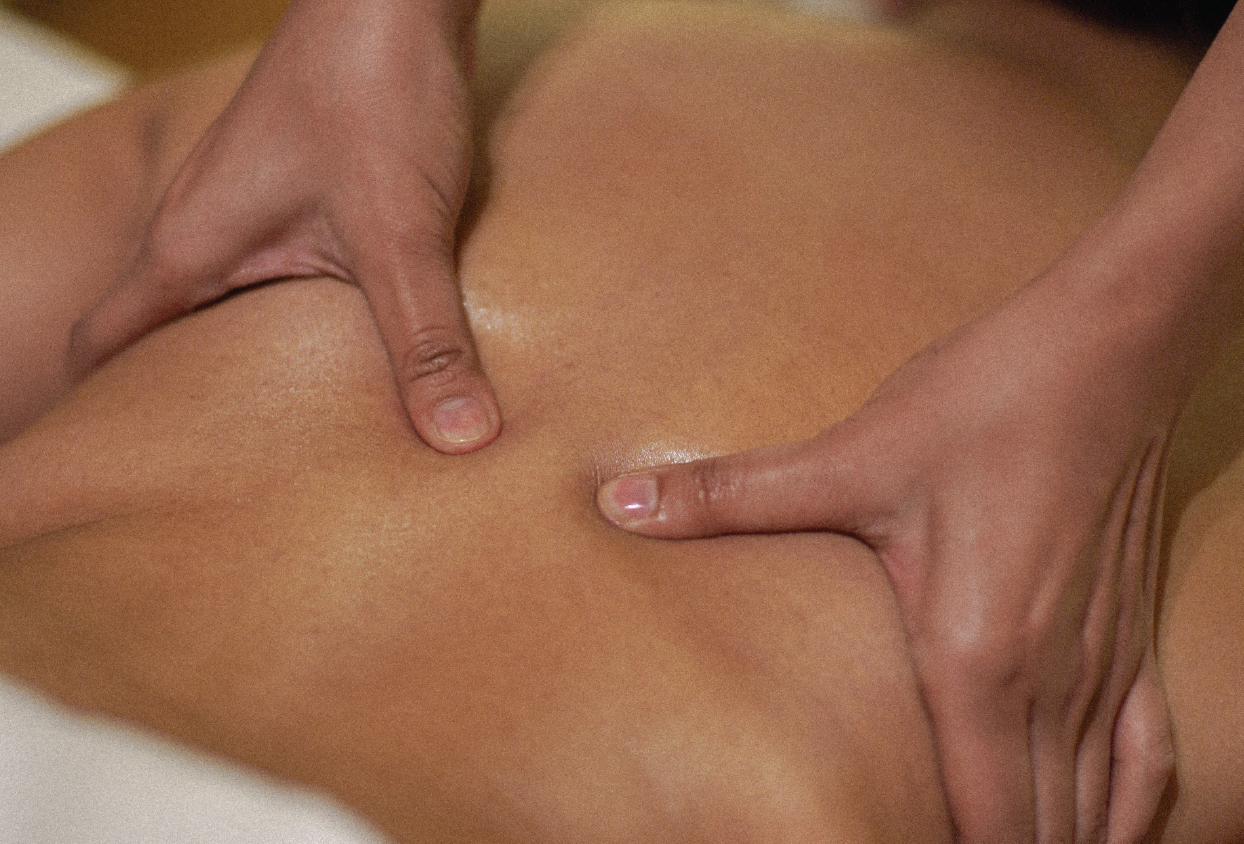
The spa and massage offerings provide one to three hours in a controlled environment: soft lighting, no phone screens, no notifications, no expectations besides letting the body receive care.
For those who want to be a little more active during their rest time, the classes Restorative, Meditation, or Yin for A Better Sleep at Aarti Wellness Club Menteng offer structured stillness, in a space genuinely designed so you don’t have to think about anything besides your own breath.
Book your chance to rest for a while at Aarti Wellness through this link.
References
- Albulescu, P., et al. (2022). “Give me a break!” A systematic review and meta-analysis on the efficacy of micro-breaks for increasing well-being and performance. PLOS ONE, 17(8), e0272460.
- The Wellbeing Thesis. (n.d.). The Importance of Taking Breaks. Accessed from thewellbeingthesis.org.uk
- Navy Health. (2026). Why Breaks Are Good for Your Health. Accessed from navyhealth.com.au
- Anxiety NZ. (n.d.). The Mental Health Benefits of Taking a Break. Accessed from anxiety.org.nz