
Table of Contents
ToggleFive days full of meetings, work deadlines, and decisions that had to be made quickly. When the weekend arrives, but instead of feeling relieved, what’s left is a heavy body and a mind still spinning.
If even 10 hours of sleep still doesn’t leave you feeling refreshed, what you actually need might not be more sleep, but a different way of resting.
Exhaustion after a packed week usually isn’t just physical tiredness. The body is tired physically, but the mind is also tired from too many decisions, interactions, and stimuli arriving without a break.
Restoring energy that’s been drained from several sides at once needs an approach beyond simply lying down longer. Below are five things you can try this weekend to actually reset, not just “add more hours of sleep.”
Also Read: Why Do You Still Feel Tired Even After Getting Enough Sleep? Common Causes You May Not Realize
Why Weekends Often Feel Like Not Enough
Throughout the workday, your brain has to keep making thousands of small decisions, managing interactions, and processing information nonstop. Each of those activities might feel light on its own, but the cumulative effect turns out to be real.
This is often called decision fatigue, a condition in which the brain’s capacity to make decisions declines after being used too much.
When the weekend arrives, the body and mind need time to rest for a while. But if the weekend is filled with equally packed activities, or spent simply lying down while scrolling on your phone, real recovery doesn’t happen.
The body needs a clear signal that the daily-activity phase has ended and the recovery phase has begun. That’s where the five approaches below come in.
5 Ways to Restore Your Energy You Can Try
Restoring energy after packed days isn’t really about doing lots of new things on the weekend, but about choosing the right things to help the body and mind truly shift from work mode into recovery mode.
What can you do?
-
Wake Up Without an Alarm, but Don’t Oversleep
On a day off, give your body the freedom to wake up naturally. Waking without an alarm actually helps the sleep cycle complete its recovery phase without being cut short.
However, sleeping more than 9 to 10 hours can actually leave you feeling more sluggish because it disrupts the circadian rhythm. One to two hours longer than usual is already enough.
-
Move Gently, Don’t Stay Completely Still
When the body is very tired, the first urge is to not move at all. But staying completely still all day actually worsens the sluggish feeling.
Light activity such as a 15- to 20-minute walk, simple stretching, or calm yoga movement helps blood circulation move and signals to the body that the active phase has returned, without adding any new burden.
-
Go Outside and Get Natural Light
Exposure to sunlight in the morning helps reset the body’s biological clock and supports the production of serotonin, the hormone that plays a role in mood and energy. Even 10 to 15 minutes outdoors, with no need to exercise, can already have a good effect on you.
Sitting on the porch, walking to the nearest coffee shop, or simply opening the windows wide can be a simple step that’s often overlooked.
-
Eat Calmly, Not While Multitasking
On workdays, eating often becomes an activity done while staring at a screen or replying to messages. On weekends, try turning eating back into a genuine moment of rest.
Sit down, enjoy your food without distraction, and give your body time to actually digest. Choose food with protein and complex carbohydrates to keep your energy stable throughout the day, rather than a brief spike from sugar or excess caffeine.
-
Consciously Reduce Digital Stimulus
Screens, notifications, and the flow of information from social media still burden the brain even when you’re not “working.”
Try consciously cutting screen time on weekends: turn off unimportant notifications on your phone, avoid aimless scrolling, and replace one hour of screen time with a genuinely restorative activity, such as reading, listening to music, or sitting quietly doing nothing at all.
Also Read: When Your Body Is Not in Pain but Constantly Tired: What Is Really Happening
Restore Your Energy at Aarti Wellness
The five approaches above can be done on your own at home, at no cost and without any special equipment.
But sometimes, a weekend at home still doesn’t feel like enough, especially if your home environment is still full of reminders of responsibility: a pile of laundry, a desk visible from the sofa, or family members who also need attention.
In those moments, giving yourself a recovery experience in an environment truly separate from everyday life can make a real difference.
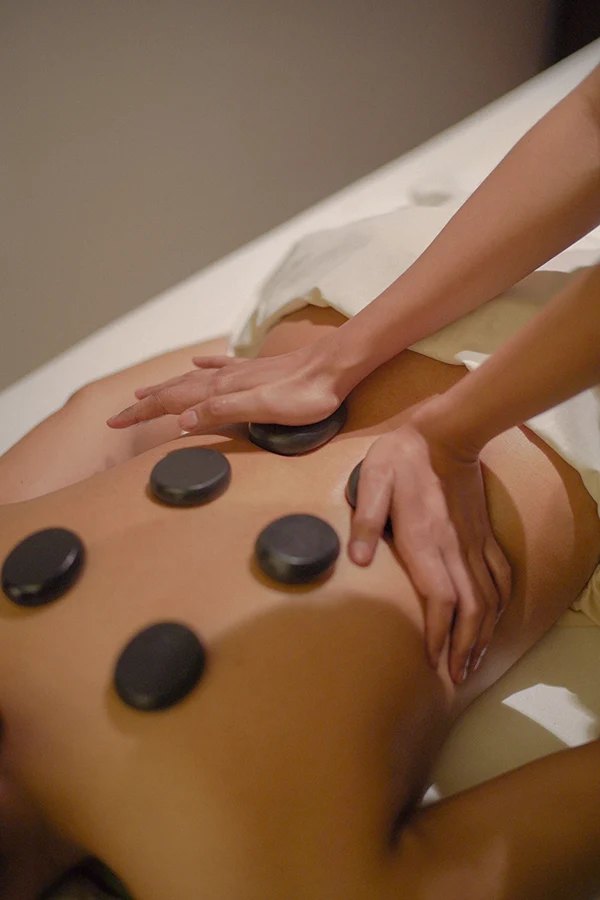
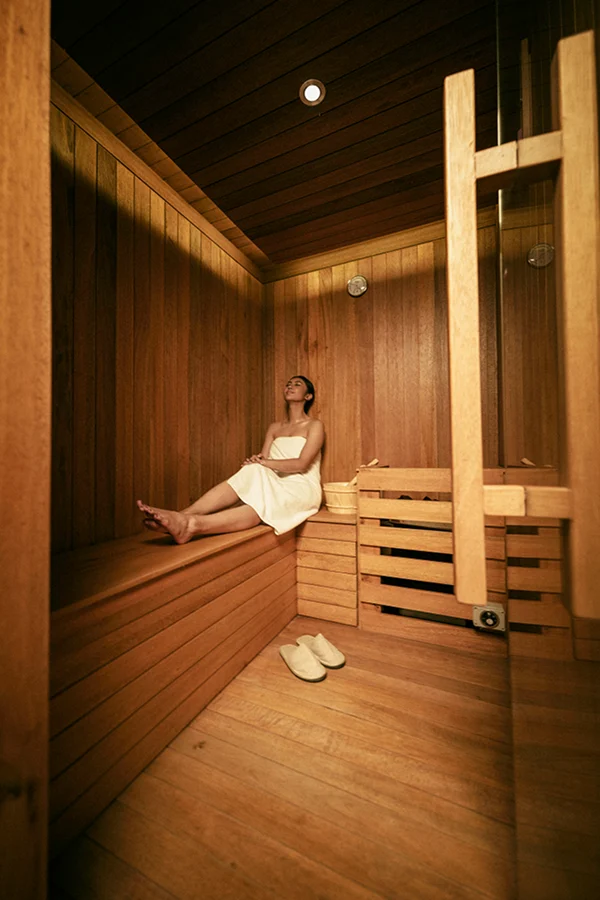
The spa and massage offerings at Aarti Wellness provide a space where the body receives treatment while the mind is freed from demands for one to three hours.
For structured light movement, classes such as Gentle Yoga, Restorative, or Slow Flow & Meditation at Aarti Wellness Club Menteng can help you move gently, in a calm setting, without having to think about anything besides your own breath.
Book your visit to Aarti Wellness now.
References
- NHS. (n.d.). Self-Help Tips to Fight Tiredness. Accessed from nhs.uk
- WebMD. (2026). 10 Ways to Boost Your Energy in 10 Minutes or Less. Accessed from webmd.com
- Harvard Health Publishing. (n.d.). 9 Tips to Boost Your Energy Naturally. Accessed from health.harvard.edu