
Table of Contents
ToggleYoga and Pilates are often considered similar forms of exercise. Both involve controlled movements, emphasize proper breathing techniques, and are well known for improving overall fitness and wellbeing. It’s no surprise that many people beginning a healthier lifestyle find it difficult to decide which one to choose.
While the two practices share several similarities, there are important differences in how yoga and Pilates benefit the body. Understanding these differences can help you select the practice that best matches your fitness goals, physical condition, and personal wellness needs.
The good news is that you don’t necessarily have to choose only one. In many cases, yoga and Pilates complement each other, creating a balanced approach to strength, flexibility, and mental wellbeing.
Why Are Yoga and Pilates Often Confused?
At first glance, yoga and Pilates look quite similar.
Both feature low impact movements, focus on body awareness, and encourage proper posture and controlled breathing throughout each session.
They also improve balance, flexibility, and help relieve physical tension caused by daily activities.
Despite these similarities, however, their philosophy, training objectives, and movement patterns are fundamentally different.
Three Key Differences Between Yoga and Pilates
Understanding how each practice works can help you choose the one that best fits your needs.
1. Yoga Focuses on the Connection Between Body and Mind
Yoga combines physical postures, breathing exercises, and meditation into one holistic practice.
Beyond improving flexibility, yoga encourages greater awareness of both your body and your thoughts. This is why many people practice yoga to manage stress, improve sleep quality, and cultivate a greater sense of calm amid busy lifestyles.
Every pose invites you to become more mindful of your breathing, posture, and present moment awareness.
2. Pilates Focuses on Core Strength
Unlike yoga, Pilates was specifically developed to strengthen the body’s core muscles.
The practice emphasizes stability, movement control, coordination, and proper alignment. The abdominal muscles, lower back, hips, and pelvis are continuously engaged throughout each exercise.
For this reason, Pilates is particularly popular among office workers, athletes, and individuals looking to improve posture after spending long hours sitting.
3. Different Training Approaches
Yoga often involves holding poses for several breaths while focusing on stability and relaxation.
Pilates, on the other hand, consists of flowing, controlled movements performed with continuous muscle engagement. Every exercise emphasizes precision, allowing muscles to work efficiently while minimizing unnecessary strain on the joints.
Benefits of Yoga
Yoga offers benefits that extend beyond physical fitness.
1. Helps Reduce Stress
Breathing techniques practiced during yoga activate the body’s natural relaxation response, helping calm both the mind and nervous system.
This makes yoga an excellent option for people managing demanding schedules or ongoing stress.
2. Improves Flexibility
Regular stretching gradually increases joint mobility and reduces muscle stiffness.
Over time, daily movements often become easier and more comfortable.
3. Enhances Balance
Many yoga poses require coordination, concentration, and muscular control.
Practicing these movements helps improve overall balance while increasing body awareness.
Read more: How Yoga Helps Improve Focus During a Busy Lifestyle
Benefits of Pilates
Pilates places greater emphasis on strengthening the body’s support system.
1. Builds Core Strength
Strong core muscles provide better support for the spine, improving overall posture.
Everyday activities such as sitting, standing, and lifting objects often become easier and more comfortable.
2. Improves Posture
Many office workers develop rounded shoulders or back discomfort after prolonged computer use.
Pilates strengthens the muscles responsible for maintaining healthy alignment, helping restore better posture over time.
Read more: How Pilates Helps Improve Posture
3. Reduces Injury Risk
Controlled, precise movements improve stability, coordination, and muscular balance.
For this reason, Pilates is frequently incorporated into rehabilitation programs and athletic conditioning.
Which One Is Right for You?
The best choice depends on your personal goals.
Choose Yoga If You Want To
- Reduce stress and mental tension.
- Improve flexibility.
- Practice mindful breathing and relaxation.
- Develop a stronger connection between your body and mind.
Choose Pilates If You Want To
- Strengthen your core muscles.
- Improve posture.
- Reduce discomfort from prolonged sitting.
- Increase stability and movement control.
Read more: Yoga or Pilates: Which One Is Right for Your Body?
Combining Yoga and Pilates Can Be Even Better
Yoga and Pilates are not competing practices.
Many people experience greater benefits by incorporating both into their wellness routine. Pilates develops strength, stability, and muscular endurance, while yoga complements those benefits by improving flexibility, relaxation, and mental wellbeing.
Together, they provide a more balanced approach to overall health.
Support Your Progress with Healthy Lifestyle Habits
Exercise delivers the greatest benefits when combined with other healthy habits.
Adequate sleep, balanced nutrition, proper hydration, and sufficient recovery all play essential roles in supporting your body’s performance.
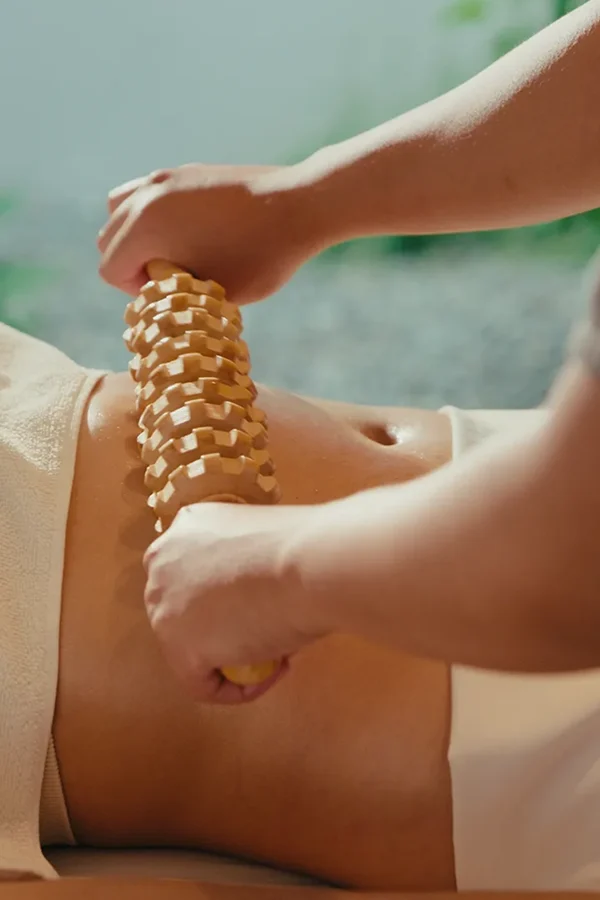
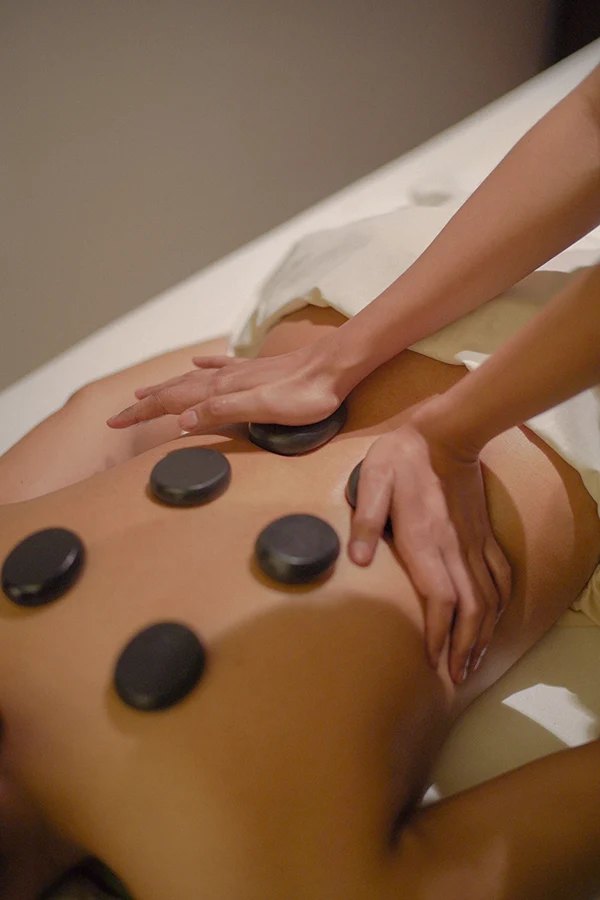
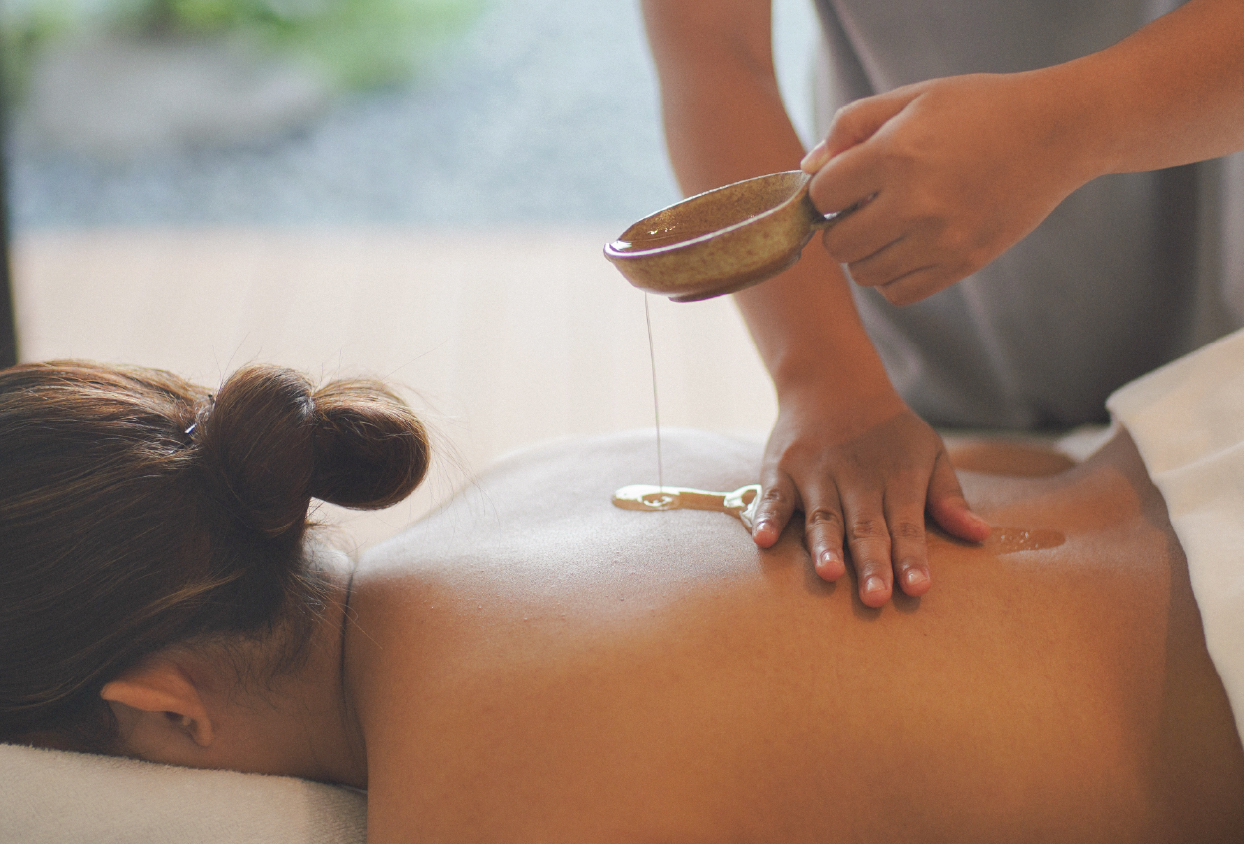
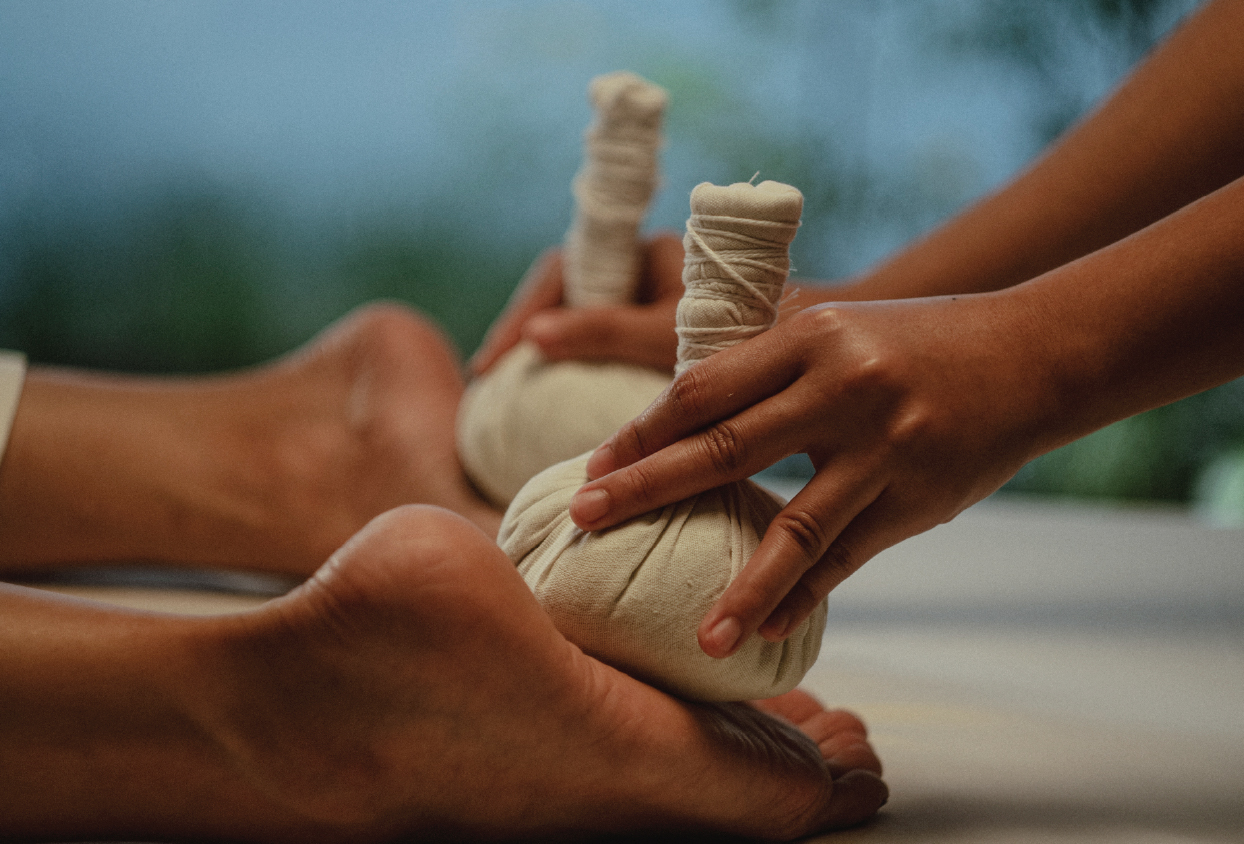
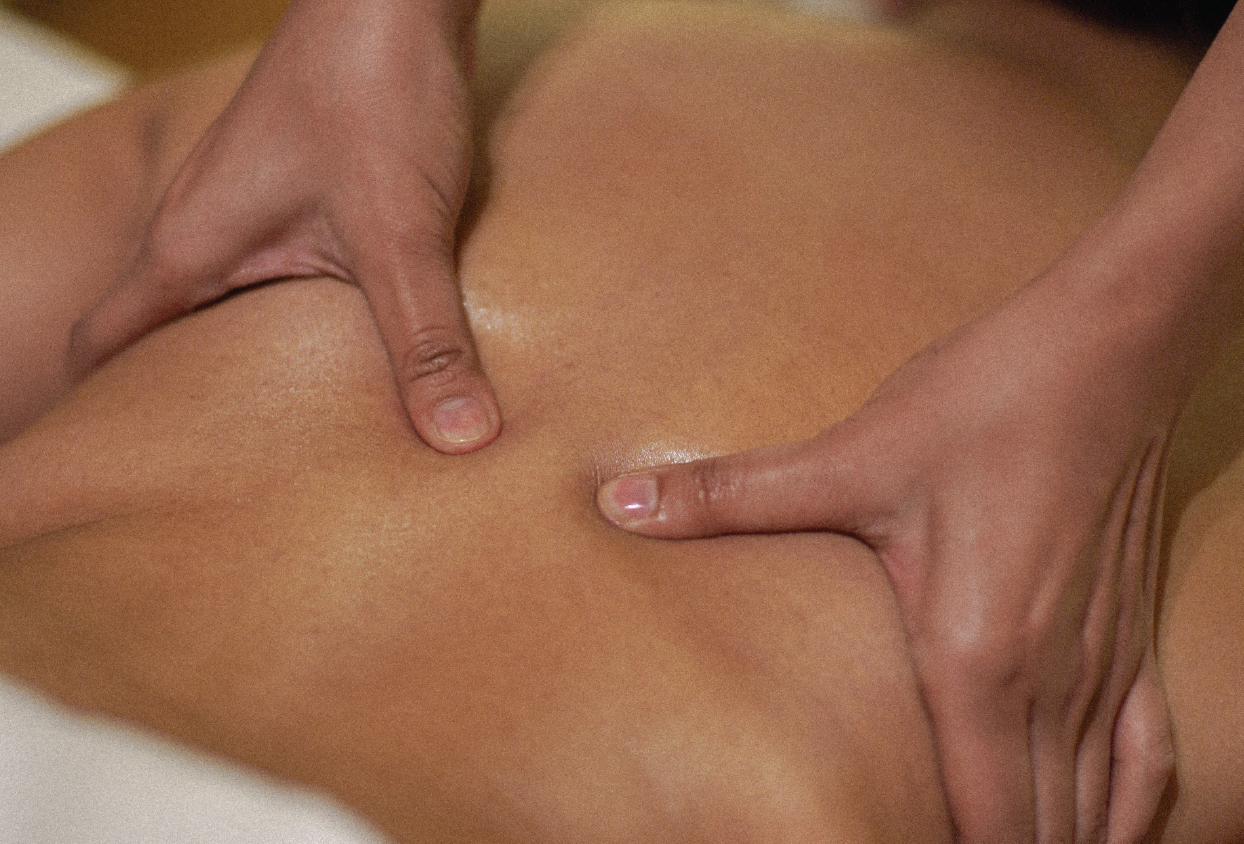
Giving your muscles time to recover through massage or spa treatments can also help relieve physical tension following exercise or long workdays.
This comprehensive approach reflects the principles of holistic wellness, where physical and mental health are cared for together rather than separately.
Find the Practice That Fits Your Body
There is no universal answer to whether yoga or Pilates is better.
Each offers unique benefits that can be tailored to your individual goals and lifestyle.
At Aarti Wellness, you can experience both yoga and Pilates classes in a welcoming environment guided by professional instructors. To further support your wellness journey, massage, spa, and lymphatic massage treatments are also available to help your body recover and relax.
Understanding the difference between yoga and Pilates is the first step toward choosing the practice that best supports your wellbeing. When combined with consistent exercise and thoughtful self care, both can help you build a stronger, more flexible body while creating a calmer, healthier, and more balanced life.