
Table of Contents
ToggleHave you ever felt like your day was incredibly busy, yet by the end of it you did not truly feel satisfied or happy? Tasks continue without stopping, your to do list keeps growing, and even when it is finally time to rest, your mind is still filled with everything that needs to be done.
For many people, this has become part of everyday life. Modern living encourages us to move faster, work more productively, and stay constantly connected to information. However, behind all of this, more people are beginning to realize that living at such a fast pace often comes with consequences for mental health.
This is why the concept of slow living has become increasingly popular in recent years. It is not because people want to become less productive, but because they want to live more intentionally, more balanced, and more in tune with their own needs.
Understanding slow living and its connection to mental health can help you discover a healthier way to navigate life without becoming trapped in constant pressure.
What Is Slow Living?
Slow living is a lifestyle that encourages people to approach daily activities with greater awareness and intention, rather than constantly rushing through life.
This concept does not mean living slowly in every aspect or avoiding responsibilities. Instead, slow living focuses on choosing what truly matters and giving your full attention to every activity you do.
In practice, slow living can take many forms. It may mean enjoying breakfast without rushing, taking a walk without constantly checking your phone, or making time for self care without feeling guilty.
The goal is not to do fewer things, but to experience life more consciously so that the quality of each moment becomes more meaningful.
Why Does Modern Life Leave So Many People Feeling Exhausted?
Before understanding slow living and its connection to mental health, it is important to recognize how today’s lifestyle affects both the body and mind.
Every day, the brain processes hundreds or even thousands of pieces of information from various sources. Message notifications, social media, work emails, news, and countless social demands constantly compete for our attention.
As a result, the nervous system rarely has the opportunity to truly rest.
Many people feel they must always remain productive to avoid falling behind. They fill their schedules with endless activities, leaving almost no room to breathe.
Over time, this lifestyle can contribute to chronic stress, mental fatigue, difficulty concentrating, and feelings of dissatisfaction even after achieving many goals.
The body can adapt to pressure for a while. However, when that pressure continues without adequate recovery, mental health eventually begins to suffer.
Slow Living and Its Connection to Mental Health
One of the greatest benefits of slow living is its ability to reduce the mental burden created by an overly busy lifestyle.
When people intentionally slow down their pace of life, the brain has an opportunity to process experiences, emotions, and information more effectively.
This helps reduce the feeling of being overwhelmed that often occurs when too many things happen at once.
Slow living also encourages people to become fully present in each activity. When attention is no longer constantly divided in multiple directions, the mind naturally becomes calmer and more focused.
Many studies on psychological wellbeing have shown that being present in the current moment is closely associated with lower stress levels and improved quality of life.
It is therefore not surprising that many people who embrace slow living report improved moods, better sleep quality, and a greater sense of balance in everyday life.
Read more: The Connection Between Physical Relaxation and Mental Health
Reducing Overstimulation That Drains Your Energy
One reason slow living has a positive impact on mental health is that it helps reduce overstimulation.
In modern life, the brain often receives excessive stimulation without adequate breaks. This can lead to difficulty concentrating, mental fatigue, irritability, and trouble relaxing.
By taking a simpler and more intentional approach, slow living helps create a calmer daily environment.
This may include limiting social media use, reducing multitasking, or setting aside dedicated time away from digital distractions.
These simple habits can help the nervous system function more efficiently while reducing the mental pressure that often goes unnoticed.
Learning to Listen to Your Body’s Needs
The body often sends signals when it needs rest. Unfortunately, many people ignore these signals because they are too focused on external demands.
They continue working while exhausted, stay active despite physical tension, or sacrifice sleep to complete more tasks.
Slow living encourages people to reconnect with their body’s basic needs.
This includes making time for rest, eating more mindfully, maintaining healthy sleep habits, and creating a better balance between activity and recovery.
When the body receives the care it deserves, mental health often improves as well because the two are closely connected.
Read more: Signs Your Body Needs a Pause Before It’s Too Late
Self Care Becomes an Essential Part of Slow Living
Many people view self care as something to do occasionally when they have free time. Within the philosophy of slow living, self care becomes part of everyday life.
Self care does not always involve grand gestures. Sometimes it is as simple as reading a book, enjoying a cup of tea without distractions, or taking a peaceful morning walk.
In a busy lifestyle, making dedicated time for relaxation also provides significant benefits.
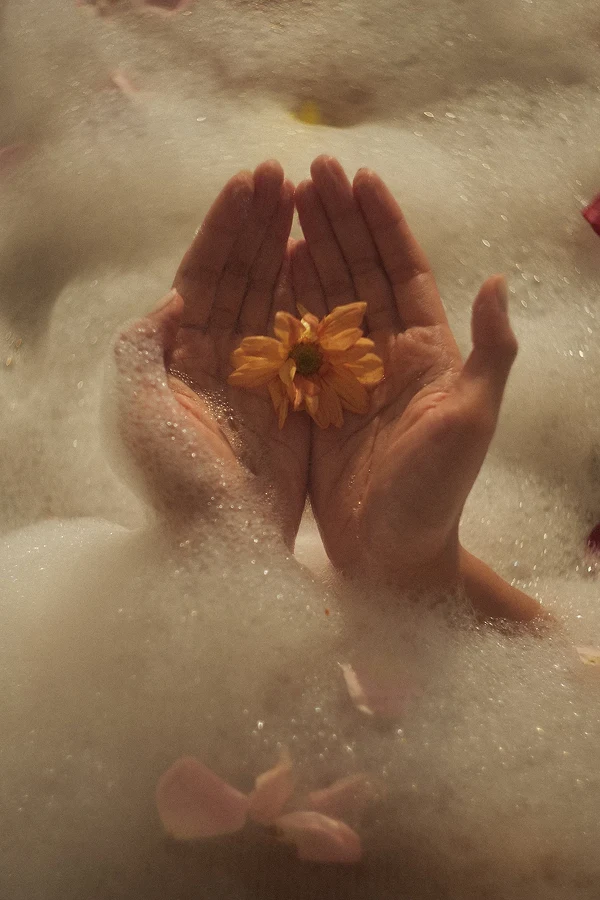
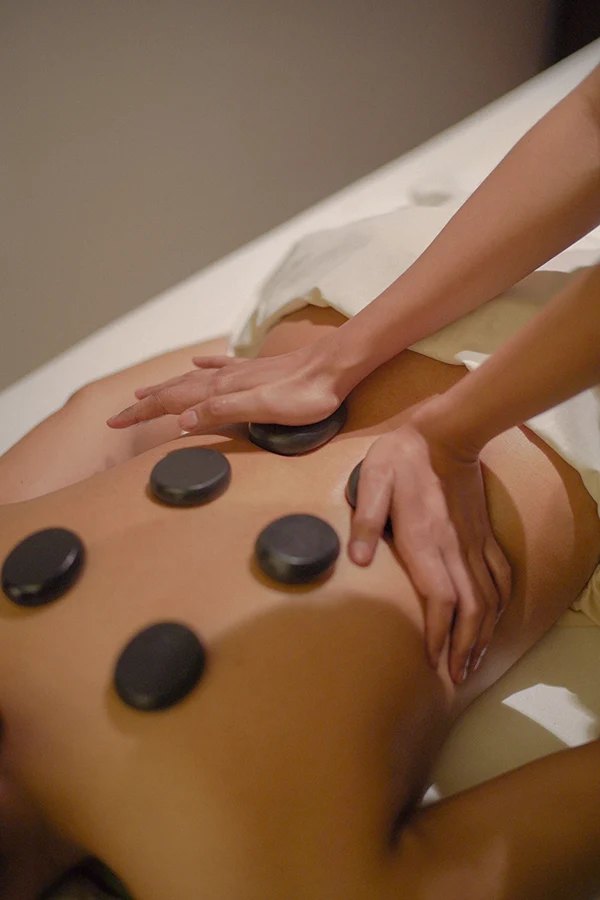
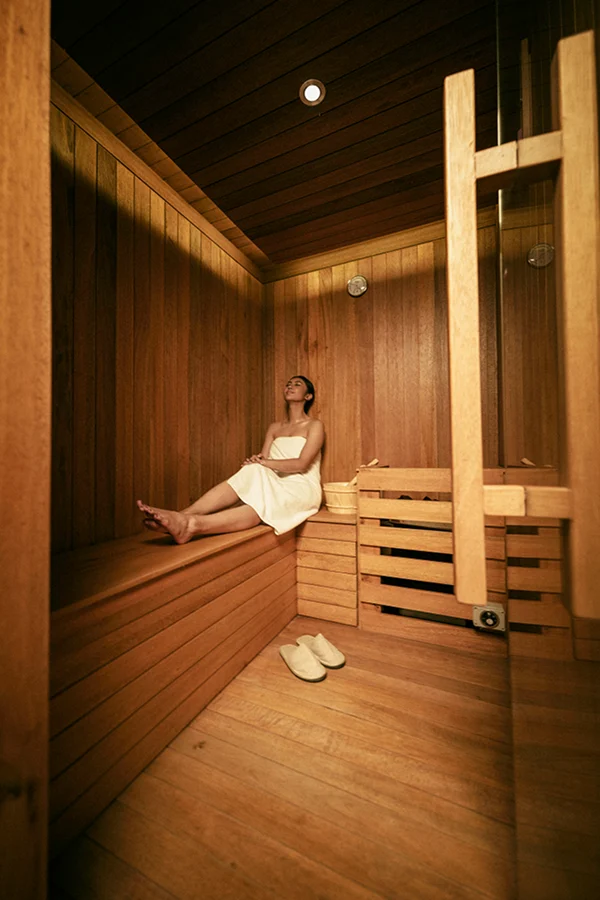
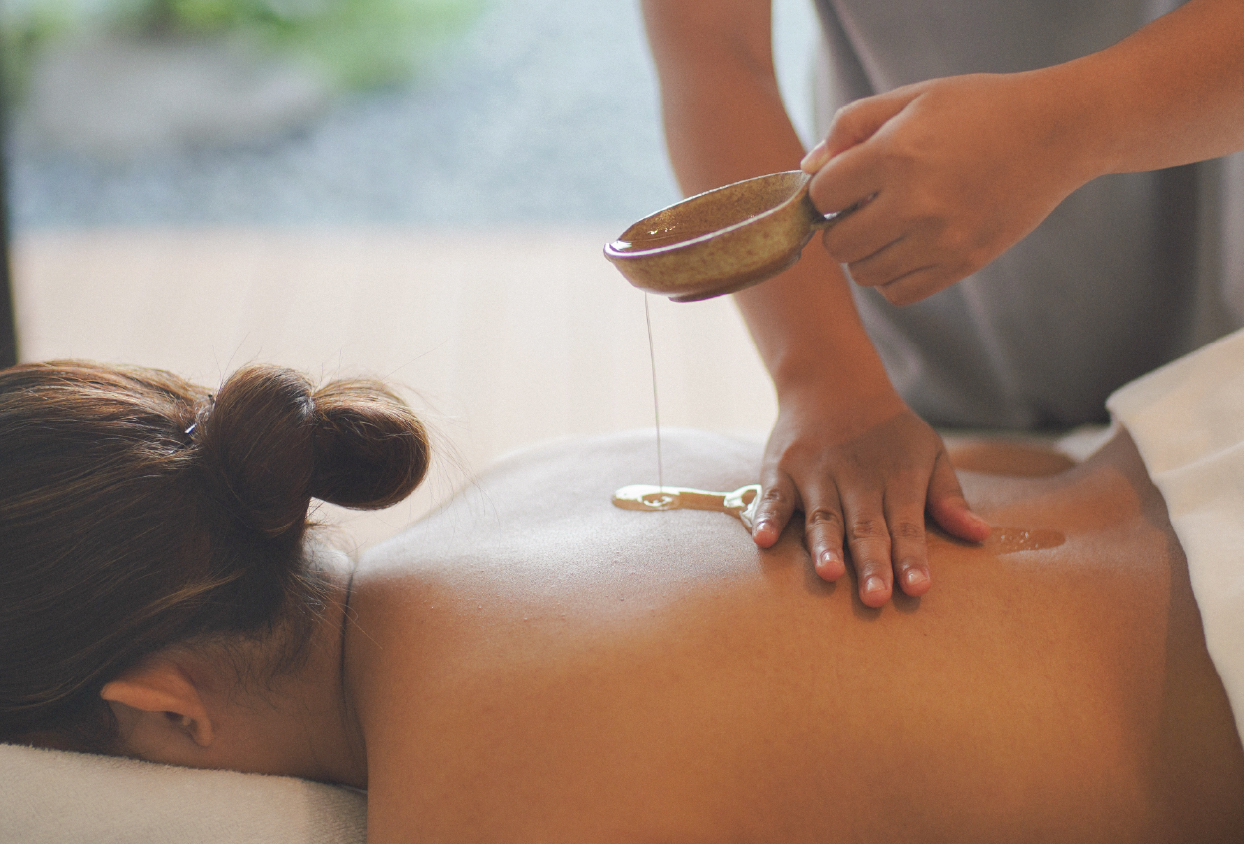
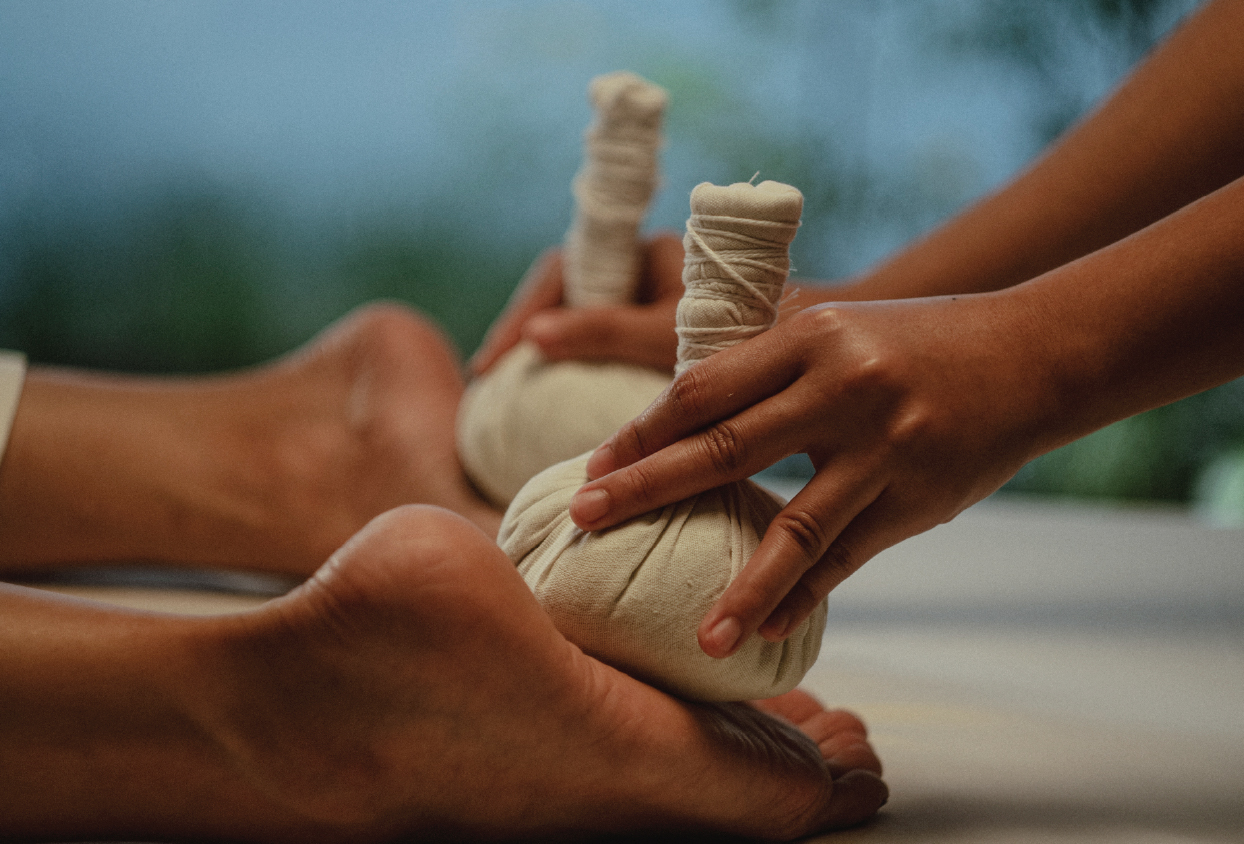
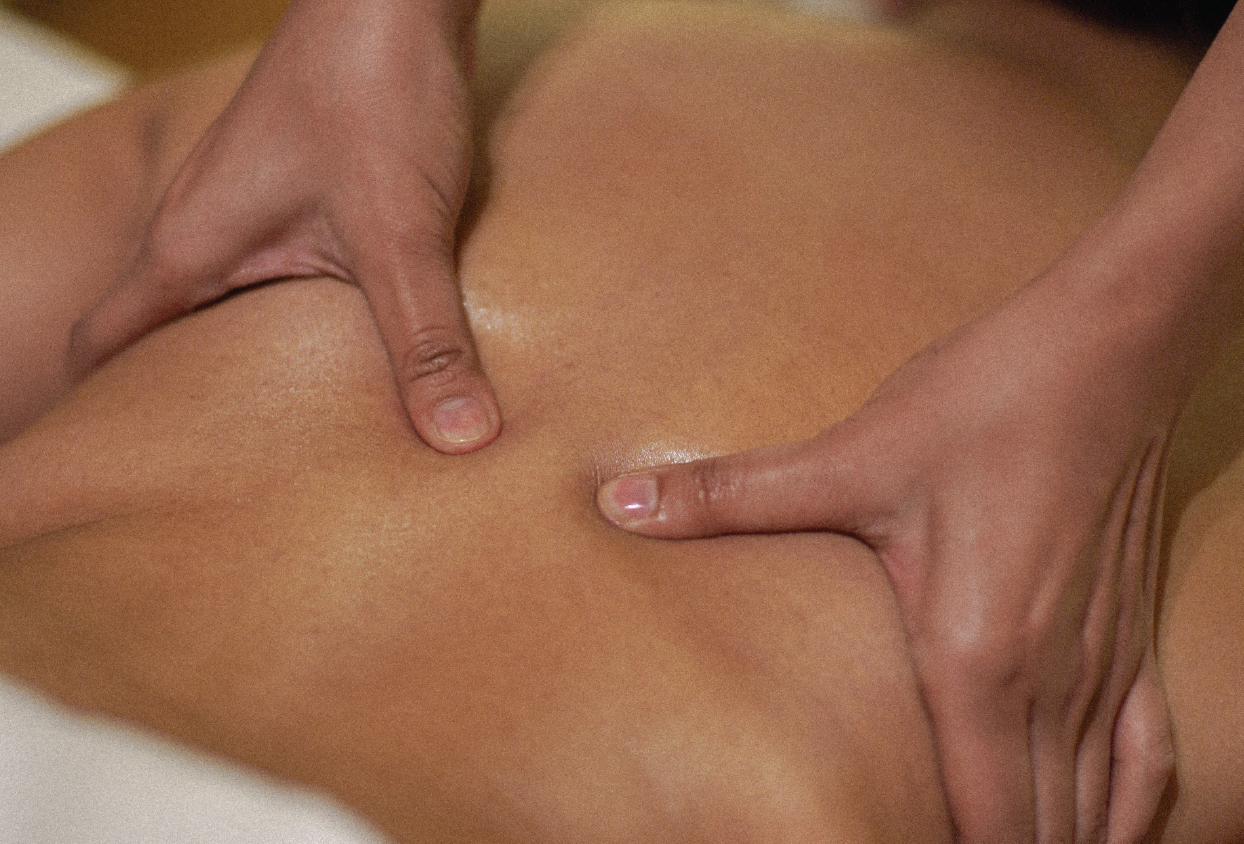
Spa treatments, massage, facials, hair treatments, and other body care experiences can help release the tension that accumulates from daily routines.
When practiced consistently, these activities help create a healthier balance in everyday life.
Yoga and Pilates Align with the Philosophy of Slow Living
It is no surprise that many people who embrace slow living are also drawn to activities such as yoga and Pilates.
Both practices encourage awareness of the body, breathing, and movement. The focus is not solely on the end result, but also on the experience itself.
During yoga and Pilates sessions, participants are encouraged to slow down, listen to their bodies, and become fully present in every movement.
These practices are highly effective for reducing stress while strengthening the connection between the body and mind.
For many people, these activities provide a rare opportunity to pause amidst a busy schedule and reconnect with themselves.
Read more: Benefits of Pilates for Body Flexibility and Better Movement
How to Start Slow Living Without Drastically Changing Your Life
One common misconception is that slow living is only possible for people with plenty of free time.
In reality, its principles can be applied by anyone, including those with demanding schedules.
Start with small changes. Focus on one task at a time, reduce the habit of constantly checking your phone, or spend a few minutes each day simply breathing and calming your mind.
You can also create small routines that help your body relax, such as taking a walk after work, doing light stretching, or making time for wellness activities that support recovery.
Small changes practiced consistently often produce much greater results than dramatic changes that are difficult to maintain.
Life Does Not Always Have to Be Rushed
Understanding slow living and its connection to mental health helps us realize that life is not a race that must always be lived at maximum speed.
Productivity is important, but mental health and overall quality of life are equally valuable. When the body and mind are constantly pushed forward without rest, balance gradually disappears.
Through a more intentional approach, slow living teaches that slowing down does not mean falling behind. Instead, by creating space to breathe, rest, and enjoy the journey, you can experience life in a calmer and more meaningful way.
If you would like to bring more moments of relaxation into your daily routine, taking time to enjoy wellness experiences at Aarti Wellness can be a simple step toward helping your body and mind restore their balance. Sometimes, what you truly need is not to do more, but to give yourself permission to pause and experience life more fully.