
Table of Contents
ToggleMany people consider self-care to be synonymous with me time. When feeling tired, stressed, or overwhelmed, common solutions often include taking time off, watching a favorite movie, visiting a café, or enjoying a day without work interruptions. There is nothing wrong with those activities. However, when understood more deeply, self-care is more than just me time.
In fact, many people regularly make time for themselves yet still feel easily exhausted, emotional, unmotivated, or even experience burnout. This happens because true self-care does not only focus on temporary enjoyment, but also on how a person takes care of their physical, mental, emotional health, and overall quality of life in a sustainable way.
When self-care is practiced correctly, its benefits are not only felt for a few hours. The body becomes more energized, the mind becomes clearer, emotions become more stable, and overall quality of life improves.
Self-Care Is More Than Me Time, It Is a Form of Caring for Yourself
Many people associate self-care with enjoyable activities. In reality, the essence of self-care is meeting your own needs in order to remain healthy and balanced.
Sometimes self-care is enjoyable, such as getting a massage or attending a yoga class. At other times, self-care may involve doing things that do not always feel comfortable but are important for long term health, such as going to bed earlier, maintaining a healthy diet, or limiting excessive work.
This is why self-care is more than just me time. Me time usually focuses on providing a break from routine. Meanwhile, self-care has a broader purpose, which is maintaining the overall wellbeing of the body and mind.
In other words, every act of self-care can be considered me time, but not all me time is self-care.
Why Do So Many People Misunderstand the Concept of Self-Care?
Social media often portrays self-care as activities associated with vacations, shopping, or indulgence. This image makes many people think that self-care can only be done when they have spare time or a special budget.
In reality, self-care does not have to be expensive or luxurious. Even simple habits such as drinking enough water, resting when your body needs it, or making time to stay active are forms of self-care.
This misunderstanding leads some people to believe they are practicing self-care when they have not actually met their physical and mental needs optimally.
For example, someone who works late every night may feel they are practicing self-care because they occasionally visit their favorite place on weekends. However, if their daily lifestyle continues to drain energy without adequate recovery, the benefits of self-care remain very limited.
That is why it is important to understand that self-care is not a one time activity but a habit that is practiced consistently.
Good Self-Care Always Includes Physical Health
A healthy body is the primary foundation for carrying out daily activities optimally. Unfortunately, physical health is often the aspect most frequently overlooked when discussing self-care.
Many busy professionals spend hours sitting, get insufficient sleep, eat in a hurry, and rarely allow their bodies adequate rest. These habits can lead to fatigue, muscle tension, and lower energy levels.
Self-care for physical health can begin with simple steps. Getting enough sleep, maintaining a balanced diet, staying hydrated, and engaging in regular physical activity are essential parts of supporting overall wellbeing.
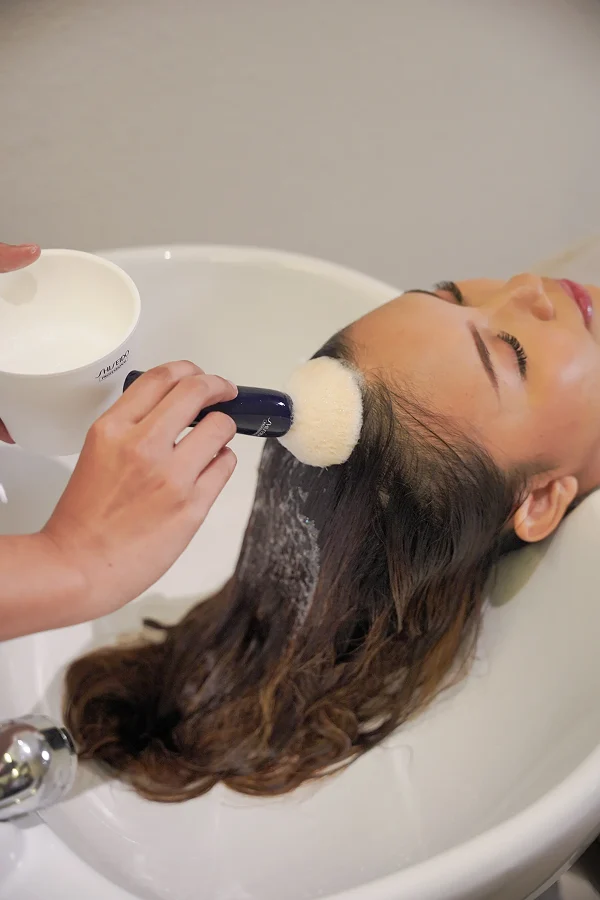
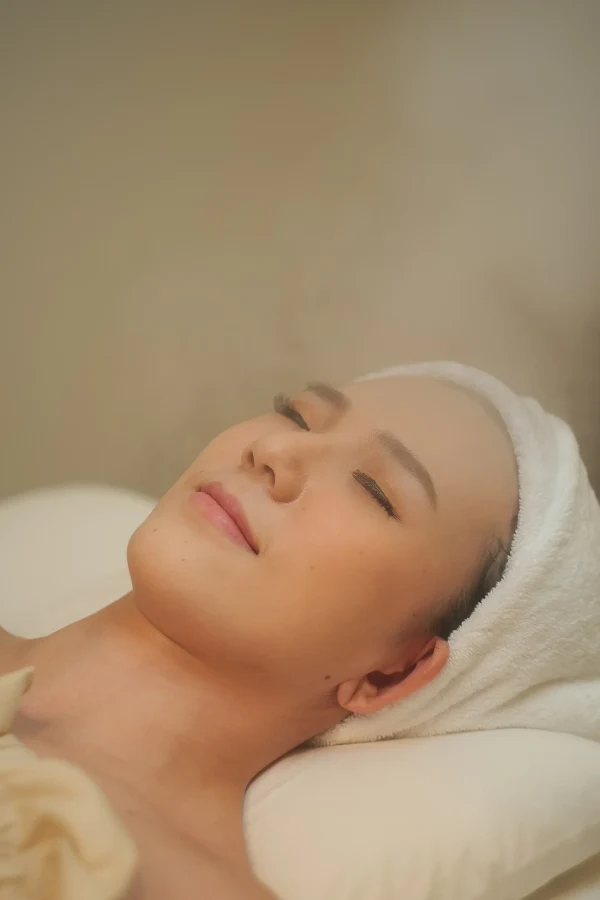
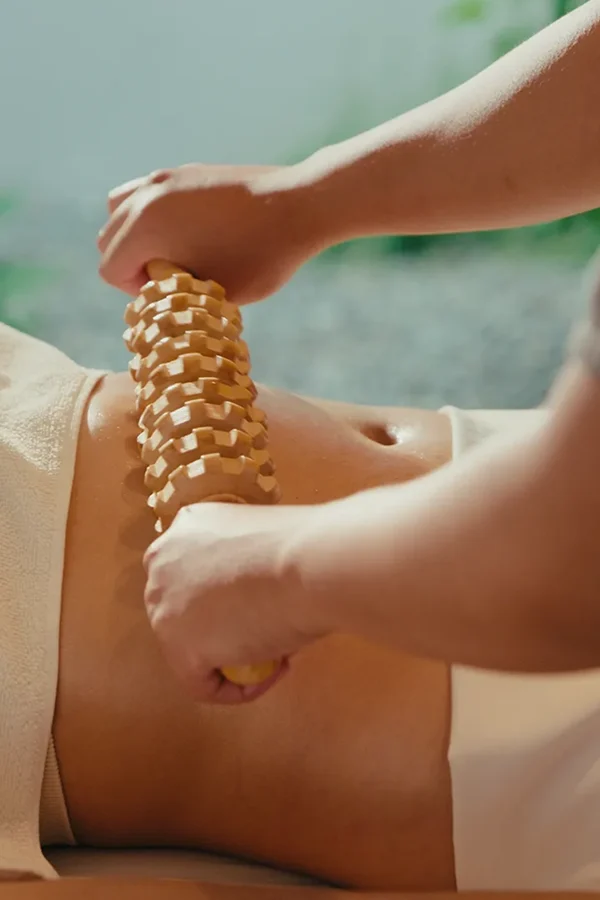
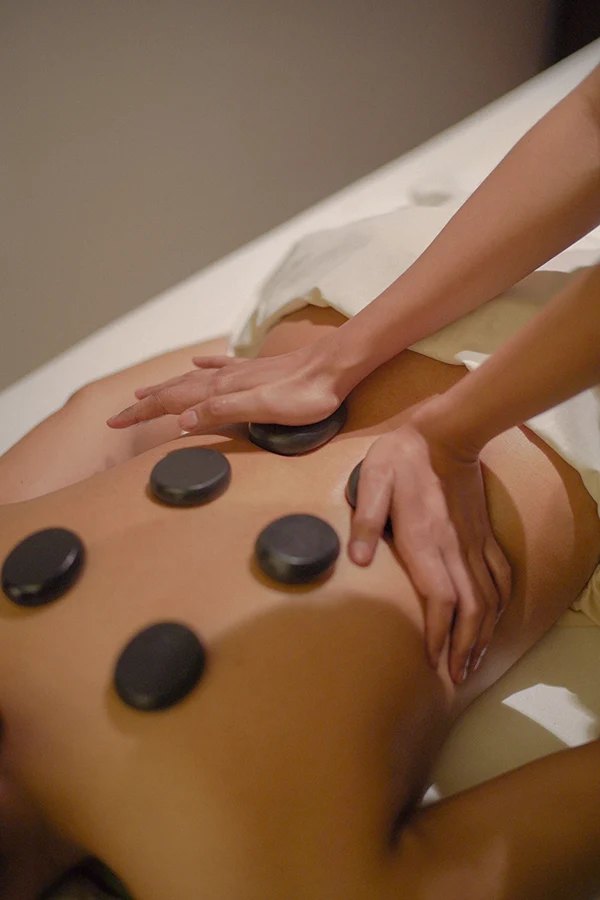
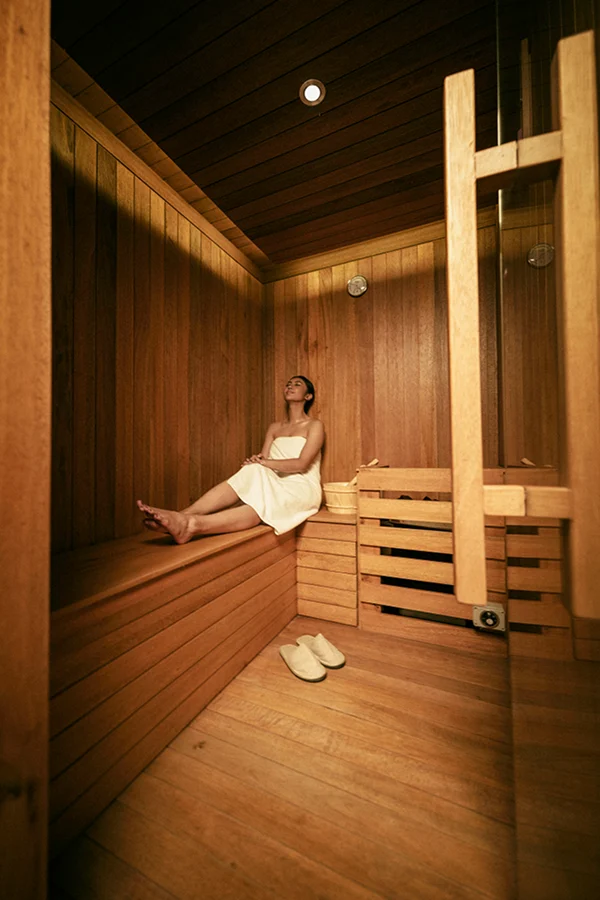
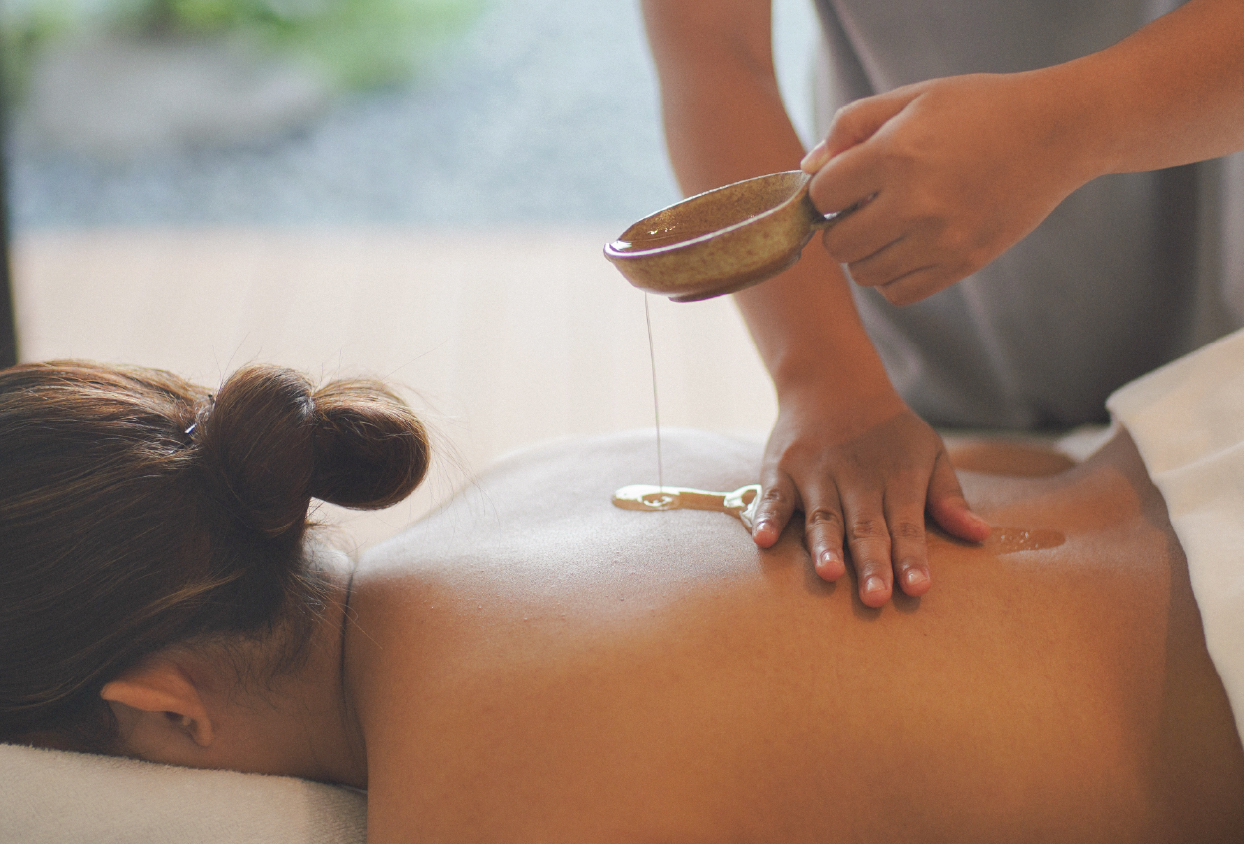
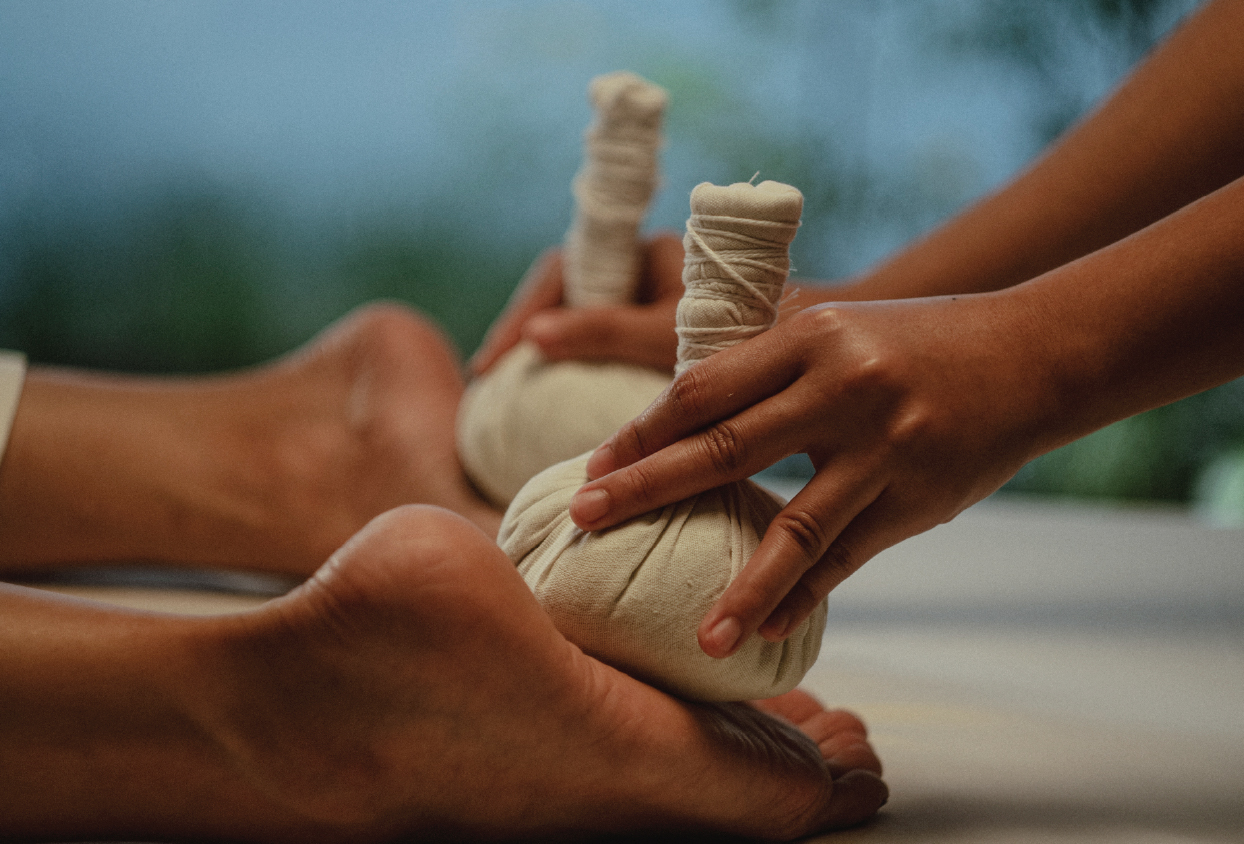
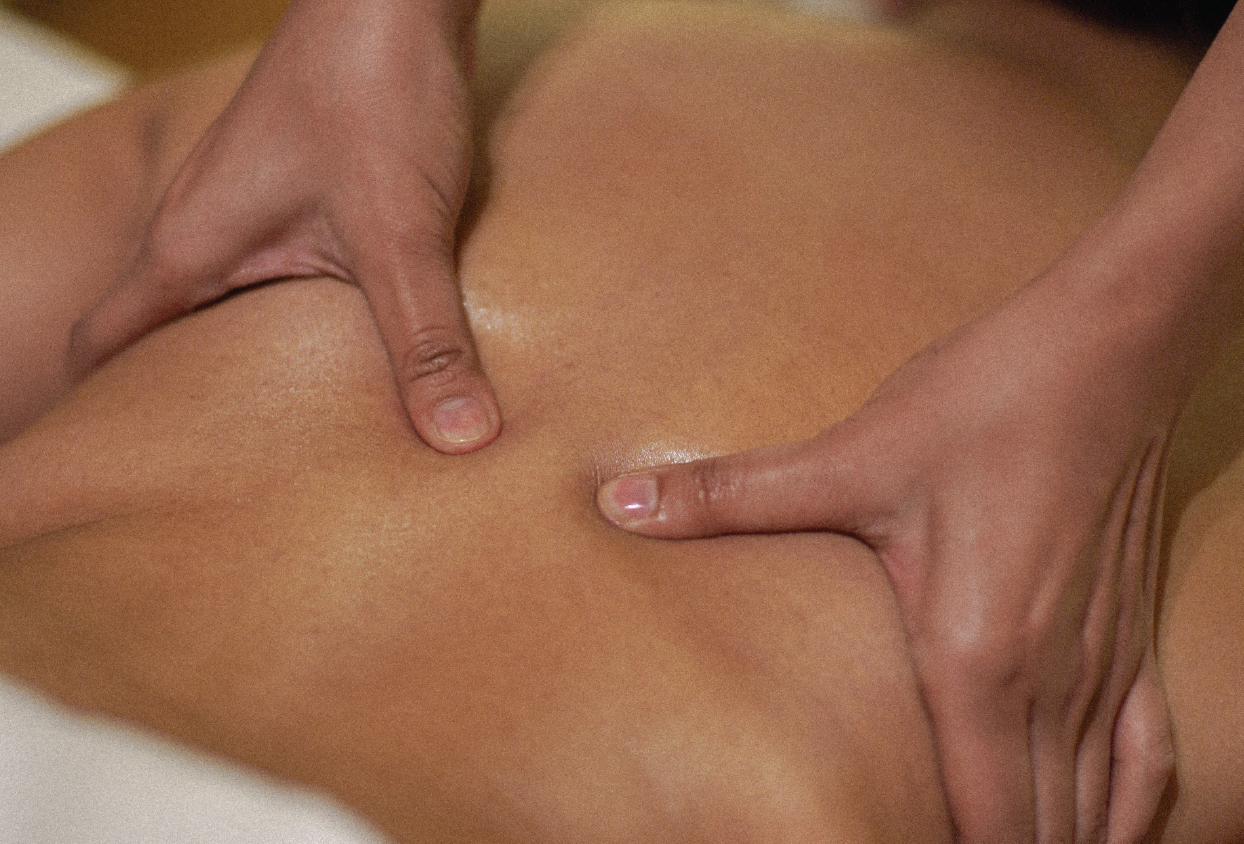
In addition, relaxation treatments such as massage or body treatments can help the body release tension that accumulates from daily activities. Many people only realize how tense their bodies are after experiencing the sense of relaxation that follows a treatment session.
When the body feels more comfortable, sleep quality improves and daily activities become easier.
Self-Care Also Means Taking Care of Mental and Emotional Health
Not all exhaustion is visible physically. In many cases, an overloaded mind becomes the main source of fatigue.
Work demands, goals that must be achieved, family responsibilities, and social pressures can keep a person in a constant state of alertness without allowing room for mental rest.
Healthy self-care helps people recognize their own limits. This includes learning to say no to things that feel overwhelming, reducing unnecessary distractions, and creating time to truly reconnect with themselves.
Many people feel guilty when taking time to rest. In reality, resting is not a sign of laziness. On the contrary, quality rest is an investment that allows the body and mind to continue functioning optimally over the long term.
When mental health is maintained, people tend to be more focused, productive, and capable of handling daily challenges more effectively.
Read more: Self Care Is Not Selfish: Learning to Put Yourself First
Yoga and Pilates Are Holistic Forms of Self-Care
Amid busy schedules, many people look for activities that are not only beneficial for the body but also help calm the mind. This is one reason why yoga and Pilates continue to gain popularity.
Unlike exercises that focus solely on burning calories or improving physical performance, yoga and Pilates encourage people to develop a deeper connection with their bodies.
Through controlled movements and intentional breathing techniques, the body is encouraged to move with greater awareness. Muscle tension decreases, posture improves, and the mind feels calmer.
For many people, attending a yoga or Pilates class is about more than exercise. It becomes an opportunity to release stress, reduce mental pressure, and create space to regain balance.
This is why these activities are often regarded as forms of self-care that nurture both body and mind simultaneously.
Read more: Benefits of Pilates for Body Flexibility and Better Movement
Signs You May Need Better Self-Care
Sometimes the body and mind send signals that it is time to pay more attention to yourself. Unfortunately, many people ignore these signs because they are too focused on staying busy.
One of the most common signs is persistent fatigue that does not go away despite getting rest. Other indicators include irritability, difficulty concentrating, loss of motivation, and declining sleep quality.
Some people also experience physical symptoms such as tension in the neck and shoulders, recurring headaches, or a constant feeling of tightness throughout the body.
When these signs begin to appear consistently, it may be time to evaluate your daily routine and create more space for self-care.
Listening to your body’s needs early often helps prevent larger issues from developing later.
Read more: Self Care as a Sign of Emotional Maturity
How to Start a Realistic Self-Care Routine in a Busy Life
Many people postpone self-care because they feel they do not have enough time. In reality, self-care does not always require major life changes.
Start with small actions that are easy to practice consistently. For example, going to bed 30 minutes earlier, taking a walk after work, attending a yoga class once a week, or scheduling relaxation time into your monthly calendar.
Self-care can also involve simple decisions such as stopping work when the workday ends or setting aside time each day without digital notifications.
What matters most is not the size of the effort but the consistency in making it part of your lifestyle.
When practiced regularly, these small habits can have a significant impact on physical health, mental wellbeing, and overall quality of life.
Self-Care Is an Investment in Long Term Health
Understanding that self-care is more than just me time can change the way you treat yourself. Self-care is not about occasionally indulging yourself, but about creating habits that help your body and mind stay healthy over the long term.
In the middle of a busy routine, making time to care for yourself is not selfish. On the contrary, it is an important step in maintaining energy, health, and life balance.
Start by listening to your body’s needs. Give yourself space to move, rest, breathe more calmly, and enjoy moments that help you feel whole again. When self-care becomes part of your lifestyle, you will not only feel better today, but you will also be building a healthier quality of life for the future.