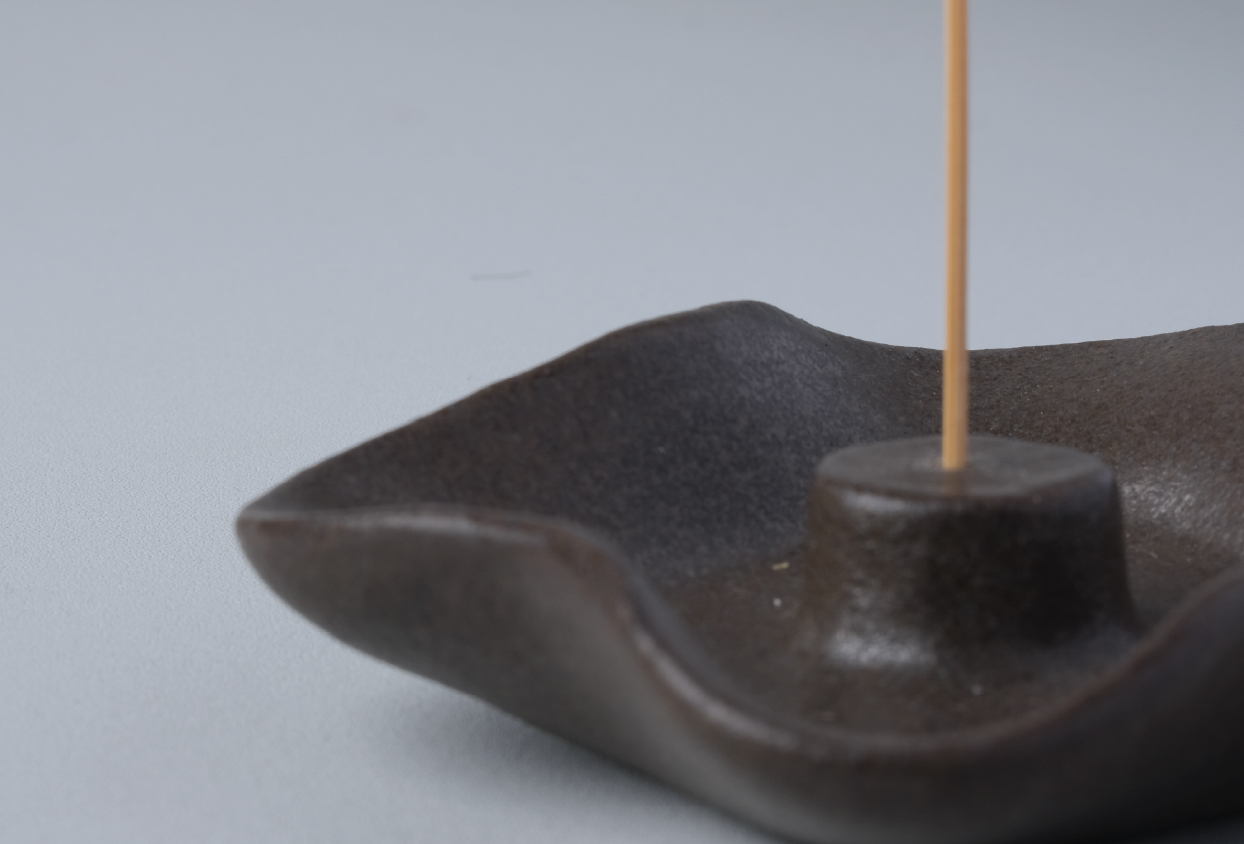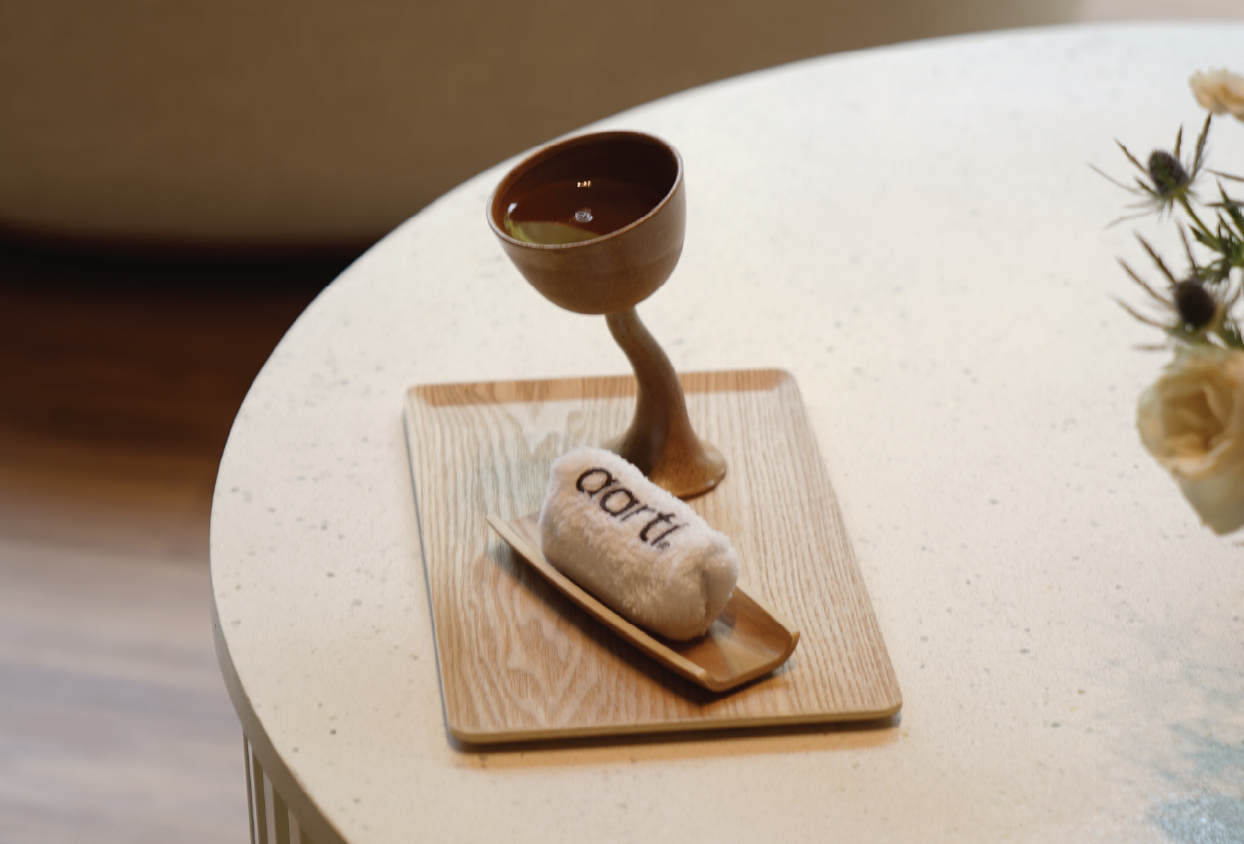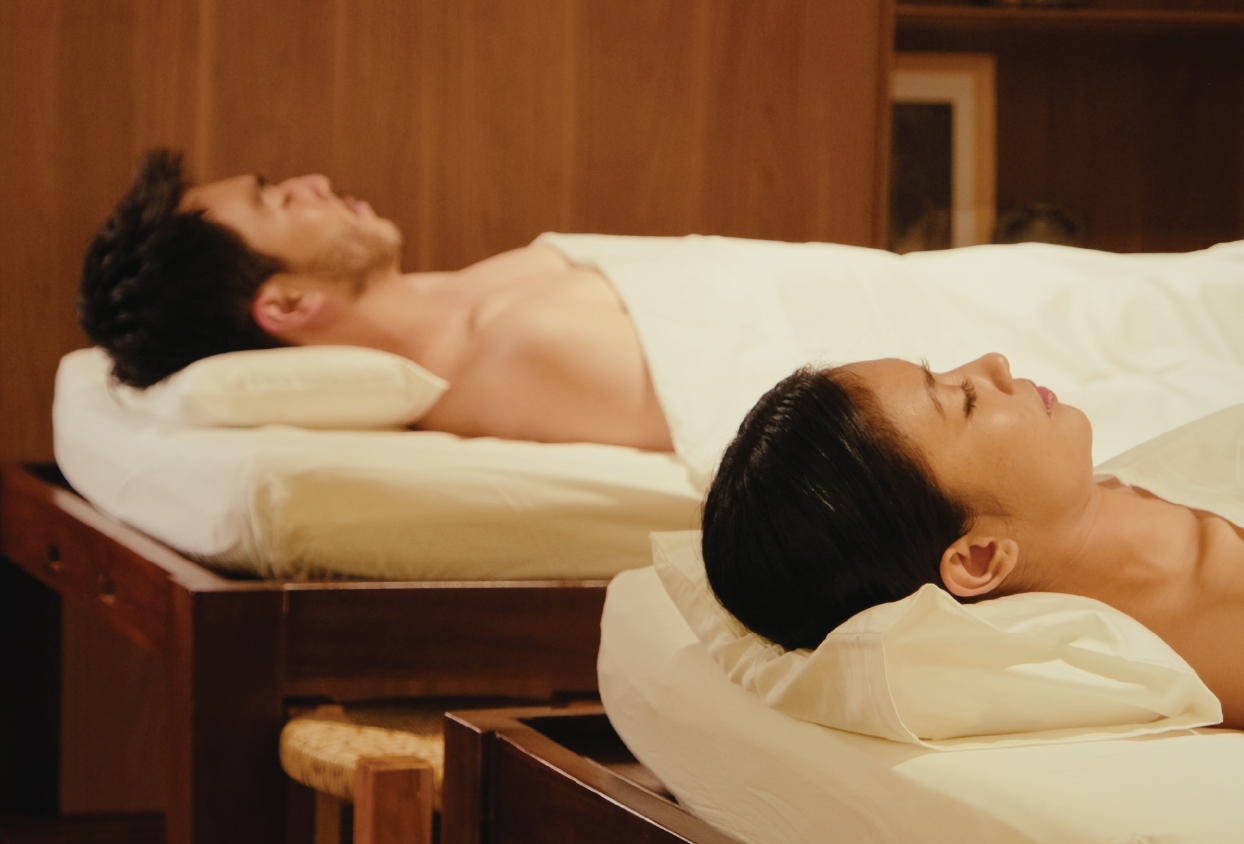
There are certain spaces that make you want to take a deeper breath the moment you step inside. Your body feels lighter, your thoughts slow down, and there is no urge to fill the air with conversation. These spaces are not always large, luxurious, or completely silent. Yet something feels different. Calm, without explanation.
In a life filled with constant noise, notifications, and communication demands, creating a space that feels peaceful without many words becomes essential. Not only for aesthetics, but for mental and emotional health. A calm space allows the body to stop bracing and finally feel present.
Why We Need Spaces That Do Not Demand Conversation
Every day, we process endless words. Conversations, messages, meetings, and streams of information rarely stop. Even in silence, the mind often replays what was said or anticipates what needs to be said next.
A space that feels calm without many words offers relief from that mental load. It does not require responses, analysis, or explanations. The body and mind are given permission to pause.
This kind of quiet is not emptiness. It is a form of restoration.
When the Body Responds Before the Mind
A truly calm space is often felt first through the body. Shoulders drop. Breathing deepens. Muscles soften. These subtle shifts signal that the body feels safe.
You may not immediately understand why the space feels soothing, but your nervous system already does. Genuine calm does not always need explanation.
The right environment communicates directly with the body rather than the intellect.
Read also: Creating a Calm Space Through the Right Fragrance
Elements That Shape Wordless Calm
Calm does not happen by accident. It emerges from subtle elements working together. Soft lighting that does not glare. Gentle colors that do not overwhelm. Familiar scents. A rhythm that is unhurried.
When these elements coexist without competing for attention, the space becomes supportive rather than stimulating. Nothing demands focus. Nothing requires reaction. Everything simply exists in balance.
This is the essence of a space that feels peaceful without many words.
Reducing Stimulus to Soothe the Nervous System
Many environments feel draining not because of activity, but because of excessive stimulation. Harsh lighting, loud sounds, and busy visuals keep the body in a state of alertness.
Creating a calm space means intentionally reducing unnecessary stimulus. When external input decreases, the nervous system has room to soften.
In this state, the body relaxes more easily and the mind begins to settle.
A Place to Set Down Your Roles
In daily life, you carry many roles. Professional. Partner. Parent. Friend. Each role carries expectations and responsibility.
A quiet, calm space becomes a place where those roles can briefly fall away. There is no need to perform or explain. You are not required to be anything other than yourself.
This freedom is often what makes calm spaces feel so deeply relieving.
Read also: Scent as a Trigger for a Sense of Safety
Silence That Does Not Feel Awkward
For many people, silence feels uncomfortable. It can seem like something that must be filled. Yet silence that feels safe is not empty. It feels complete.
When a space is created with intention, silence becomes comforting rather than tense. There is no pressure to speak or to entertain.
In this kind of quiet, both body and mind can breathe more freely.
Why Words Are Not Always Necessary for Comfort
Words are often used to reassure, clarify, or soothe. But the body does not always need explanation. It needs experience.
A calm space provides that experience directly. Without instruction or narrative, the body understands that it is safe to rest.
This is why the right environment can feel more calming than any explanation of calm itself.
Reconnecting with Yourself
When there are fewer words, attention naturally turns inward. You become more aware of your breath, physical sensations, and subtle emotions.
A peaceful space helps you reconnect with yourself, not through complex reflection but through simple presence.
This reconnection often marks the beginning of deeper emotional restoration.
Bringing Calm into Everyday Life
A calm space does not need to be a dedicated room. It can exist in a quiet corner of your home, your bedroom, or within a small daily ritual practiced with intention.
What matters is not size or design, but the intention to create a place that asks nothing of you.
When used consistently, your body begins to recognize that space as a place to pause and reset.
Read also: The Ritual of Burning an Incense Stick at the End of the Day
Calm Spaces in Wellness
Within wellness philosophy, environment plays a powerful role. A thoughtfully designed space helps the body and mind enter deeper relaxation.
It is not only the treatment that shapes the experience. It is also how the space supports it. When the environment feels safe, the body becomes more receptive and responsive.
This is why many wellness experiences feel calming even before any service begins.
When Silence Becomes a Soothing Language
Creating a space that feels calm without many words means understanding that the body and mind do not always need explanation. Sometimes they only need the right atmosphere to pause.
A calm environment helps you release tension, lower vigilance, and return to a more natural rhythm. In safe silence, the body finds its own way to recover.
At Aarti Wellness, each space is intentionally designed to communicate without words. Every detail supports a sense of safety, presence, and calm from the first step inside.
If you feel overwhelmed by constant noise and demands, perhaps what you need is not more answers but more space. Allow yourself to experience it, and discover how natural relaxation can unfold at Aarti.