
Table of Contents
ToggleMany people look forward to the weekend with one simple hope: to finally rest. After five full days of work, traffic, deadlines, and social pressure, two days off can feel like a rescue. Yet many return to Monday still tired and mentally drained. This raises an important question. Why can relaxation not be replaced by the weekend?
Time off and true relaxation are often treated as the same thing, but they serve very different functions for the body and mind. Understanding the difference can help you maintain energy, focus, and overall well being in a fast paced modern lifestyle.
A Weekend Off Is Not Always Real Rest
In theory, the weekend is meant for rest. In practice, it is often filled with additional activities. Social plans, household responsibilities, and lingering work thoughts may replace office routines. The body may step away from the workplace, but the nervous system and mind remain active.
Without realizing it, the weekend can become a different form of fatigue. If weekdays are physically and mentally demanding, weekends can be socially and emotionally draining. As a result, the body never fully enters a recovery state.
This is why exhaustion can accumulate week after week, even when you take regular days off.
The Fundamental Difference Between Time Off and Relaxation
Relaxation is not simply the absence of work. It is a deliberate state in which the body and mind enter calm mode. In this state, the parasympathetic nervous system becomes active, allowing the body to repair and restore itself naturally.
A typical weekend often only changes the type of activity, not the level of tension. The mind remains busy, emotions stay stimulated, and the body does not receive a clear signal that it is safe to fully rest.
This explains why you might sleep longer on weekends yet still wake up feeling tired. What you need is not just free time, but high quality relaxation.
Read also: How to Build a Self Care Routine in the Middle of a Busy Life
Why You Still Feel Tired After a Weekend
Today’s most common fatigue is not purely physical. It is nervous system fatigue. Constant notifications, screen exposure, and multitasking prevent the brain from truly slowing down.
During the weekend, many people remain exposed to the same stimulation. Endless scrolling, passive entertainment with an active mind, or packed schedules keep the brain in alert mode. The body is not sick, yet energy feels depleted.
Without intentional relaxation, the body cannot fully recharge its energy reserves.
How Relaxation Activates Recovery Mode
True relaxation shifts the body from survival mode into recovery mode. In a relaxed state, heart rate slows, breathing deepens, and circulation improves.
This process is essential. It is during this phase that the body regenerates cells, repairs muscle tissue, and balances hormones. Relaxation also lowers stress hormone levels, which are often responsible for persistent fatigue.
Without relaxation, the body resembles a machine that runs continuously without maintenance. It may keep functioning, but performance gradually declines.
Why You Cannot Delay Relaxation for Too Long
Many people believe they can wait for a long vacation to fully rest. Unfortunately, postponing relaxation increases the burden on the body.
Unresolved fatigue accumulates and can eventually lead to burnout. At that stage, a simple weekend break is no longer enough. Recovery takes longer because tension has become deeply rooted.
By making relaxation part of your routine rather than a rare reward, you help the body maintain balance from the start.
Read also: Benefits of Massage After Exercise and Intense Activities
Physical and Mental Relaxation Must Work Together
Relaxation does not occur in the mind alone. The body stores tension, particularly in the neck, shoulders, back, and hips. This tension may not feel painful, but it can restrict circulation and create a heavy, sluggish sensation.
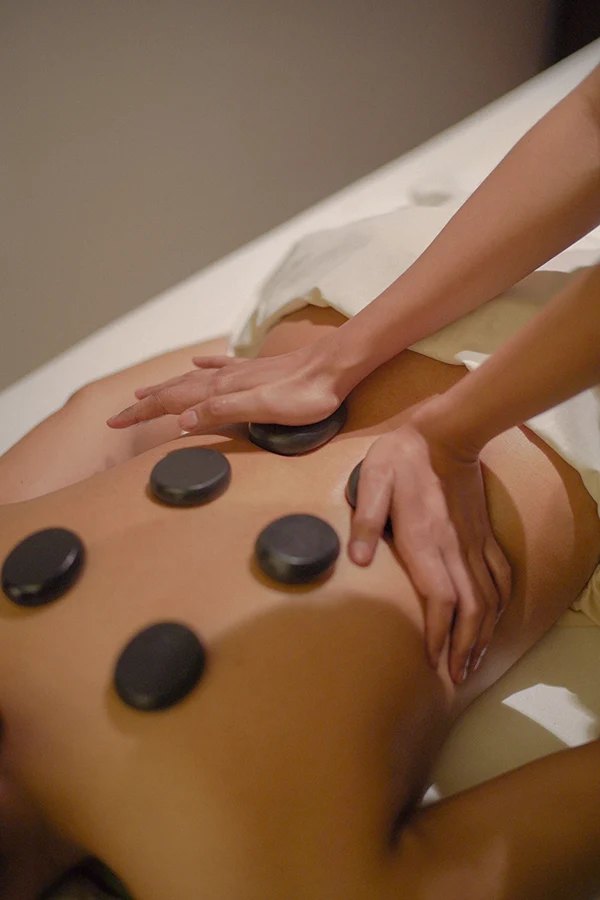
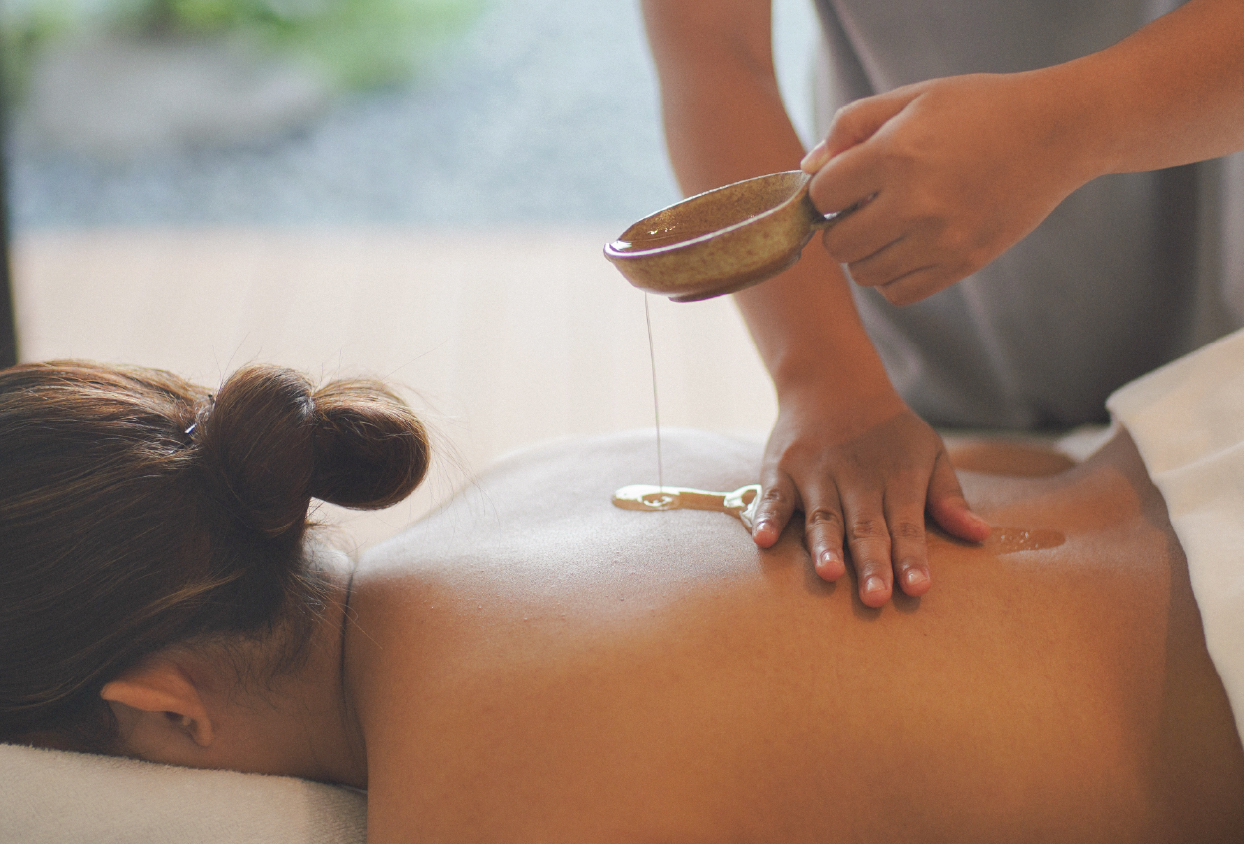
Therapeutic touch helps release muscle tension while calming the mind. As the body softens, the mind naturally slows down. This is the kind of relaxation that ordinary weekend activities rarely provide.
Holistic relaxation always treats body and mind as one connected system.
Why Spa and Wellness Treatments Make a Real Difference
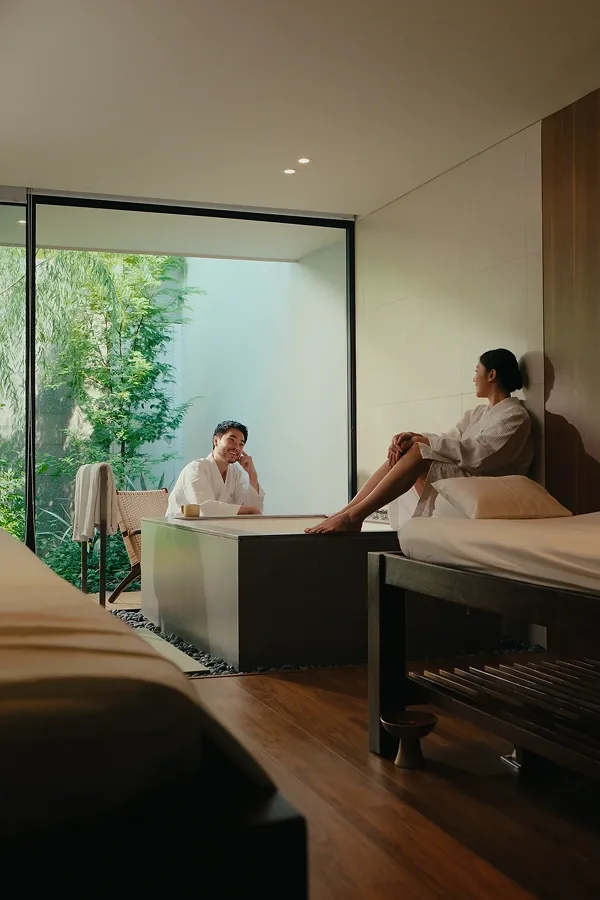
Spa and wellness treatments are designed to create optimal relaxation conditions. A calm environment, soothing aromas, and intentional touch help the body enter a deeper state of rest.
Unlike weekends that are often filled with distractions, wellness treatments provide uninterrupted space to focus on yourself. There are no demands or deadlines, only time to breathe and release tension.
The benefits often extend beyond the session itself. Many people experience improved sleep, greater emotional stability, and sharper focus after proper relaxation.
Relaxation as a Long Term Health Investment
Viewing relaxation as a necessity rather than a luxury changes how you care for yourself. Regular relaxation strengthens immunity, balances emotions, and enhances overall quality of life.
Instead of waiting until you feel completely drained or unwell, consistent relaxation keeps you functioning at your best. It is a preventive approach that supports sustainable productivity and well being.
When body and mind are balanced, you perform better, think more clearly, and enjoy both workdays and weekends more fully.
Read also: Benefits of Signature Spa for Body and Mind Relaxation
A Short Weekend Is Fine, but Relaxation Must Be Intentional
Weekends are important, but they cannot replace true relaxation. Without intentional recovery, the body only pauses briefly without fully restoring itself. This is why relaxation cannot be replaced by the weekend.
Setting aside dedicated time for relaxation is one of the most effective ways to restore energy and maintain balance. At Aarti Wellness, each experience is thoughtfully designed to help you pause, release tension, and reconnect with yourself.
If your weekend never feels like enough, perhaps what you need is not more days off, but deeper, more intentional relaxation.