
Table of Contents
ToggleHave you ever felt physically fine, no pain, no fever, no dizziness, yet constantly exhausted? You wake up feeling heavy, struggle to focus, and run out of energy before the day truly begins. Because there is no visible illness, this condition is often dismissed. In reality, it can be an important signal that your body needs attention.
Persistent fatigue without obvious cause is common, especially in fast paced urban life. Interestingly, this type of exhaustion is not always linked to physical illness. More often, it results from accumulated mental strain, emotional tension, and lifestyle habits that quietly build up over time.
What Is Happening Inside When You Feel Tired Without Being Sick
Fatigue is not only about muscles working too hard. The body functions as an integrated system connecting physical, mental, and emotional health. When one area is disrupted, the effect can be felt throughout the body, even without pain.
In many cases, exhaustion occurs because the nervous system remains in alert mode for too long. Ongoing stress, work pressure, social demands, and constant screen exposure make it difficult for the body to shift into true rest mode. As a result, even if you sleep long enough, the quality of rest may be insufficient.
Your body may be internally depleted, not from heavy physical labor, but from prolonged survival mode without proper recovery.
Mental and Emotional Fatigue You May Not Notice
One of the main reasons you feel tired without being physically ill is mental fatigue. A mind that continuously processes responsibilities, targets, and expectations rarely experiences real downtime.
Mental exhaustion does not always feel dramatic. It often appears as difficulty concentrating, easy distraction, emotional numbness, or a sense of emptiness. Suppressed emotions, constant pressure to stay strong, or ignoring personal needs also contribute.
When emotions are not processed, the body carries the burden. That is why fatigue can feel physically real even when medical tests show normal results.
Read also: Spa for Work-Life Balance: An Effective Way to Overcome Burnout
Sleeping Enough but Not Resting Well
Many people sleep for adequate hours yet wake up unrefreshed. This suggests that sleep quality matters more than duration alone.
Exposure to blue light before bed, racing thoughts, and subtle muscle tension can shorten deep sleep cycles. Without sufficient deep sleep, the body cannot properly regenerate cells or restore the nervous system.
Over time, this reduces natural energy reserves. You may not feel sick, but fatigue becomes your default state, unaffected by simply sleeping longer.
Subtle Muscle Tension That Builds Up
Persistent low grade muscle tension is another hidden contributor. The neck, shoulders, back, and hips often hold mild contraction throughout the day due to posture, prolonged sitting, or stress.
This tension may not feel painful, yet it can restrict blood flow and oxygen delivery. The result is a heavy, sluggish sensation and reduced vitality.
This explains why many people feel unexpectedly refreshed after therapeutic touch, even when they did not feel pain beforehand.
Fatigue as a Gentle Warning Sign
Fatigue is often the body’s most subtle language. Instead of immediate pain, it signals through decreased energy. It is a request to pause, breathe, and reconnect with yourself.
Ignoring this signal and pushing forward can lead to chronic exhaustion, burnout, or more serious health concerns. Listening early makes recovery easier and more natural.
A Holistic Wellness Approach
Addressing fatigue without pain requires more than physical rest. It calls for mental and emotional relaxation as well.
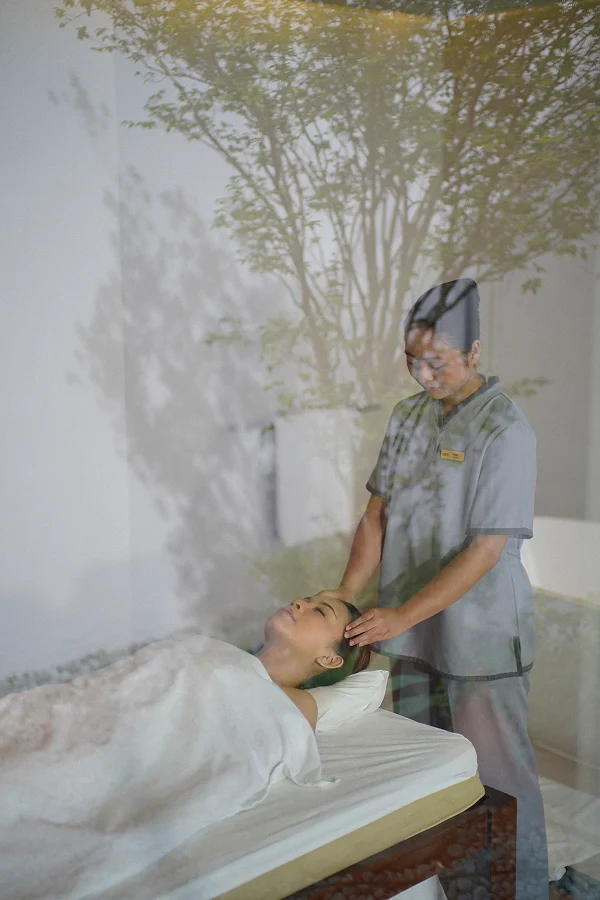
Wellness treatments such as massage and spa rituals help shift the body from tension mode into recovery mode. Therapeutic touch can lower stress hormones, improve circulation, and calm the nervous system.
Equally important, these moments provide psychological space away from daily pressure. This is not indulgence. It is restoration of balance that has been quietly depleted.
Read also: Benefits of Routine Spa Treatments for Stress, Skin, and Immunity
How Spa and Massage Restore Energy
Spa and massage are not just about comfort. They produce measurable physiological changes. When the body relaxes, the parasympathetic nervous system becomes active. This state supports repair, slows heart rate, and normalizes breathing.
In this relaxed condition, sleep improves, mental clarity returns, and energy gradually rebuilds. Many people notice feeling lighter and sharper after treatment, even though they were not experiencing pain.
This highlights that hidden fatigue often requires solutions that address root causes rather than surface symptoms.
Listening to Your Body as True Self Care
Self care does not always mean drastic changes or long vacations. Sometimes it begins with recognizing that fatigue is not weakness but communication.
By allowing time for intentional recovery, you help restore balance. A relaxed body supports a calm mind, and a calm mind strengthens overall health.
Read also: Characteristics of a Premium Spa: How to Differentiate It from a Regular Spa
Giving Your Body What It Needs
When your body feels tired without being sick, it should not be ignored. It is often the earliest opportunity to pause and respond before stronger signals appear.
Through a comprehensive wellness approach, you can restore energy, clarity, and comfort. At Aarti Wellness, treatments are designed to help you truly rest, not only physically but also mentally and emotionally.
Take time for yourself. Notice the difference when your body feels lighter, your mind steadier, and your energy flows naturally again.