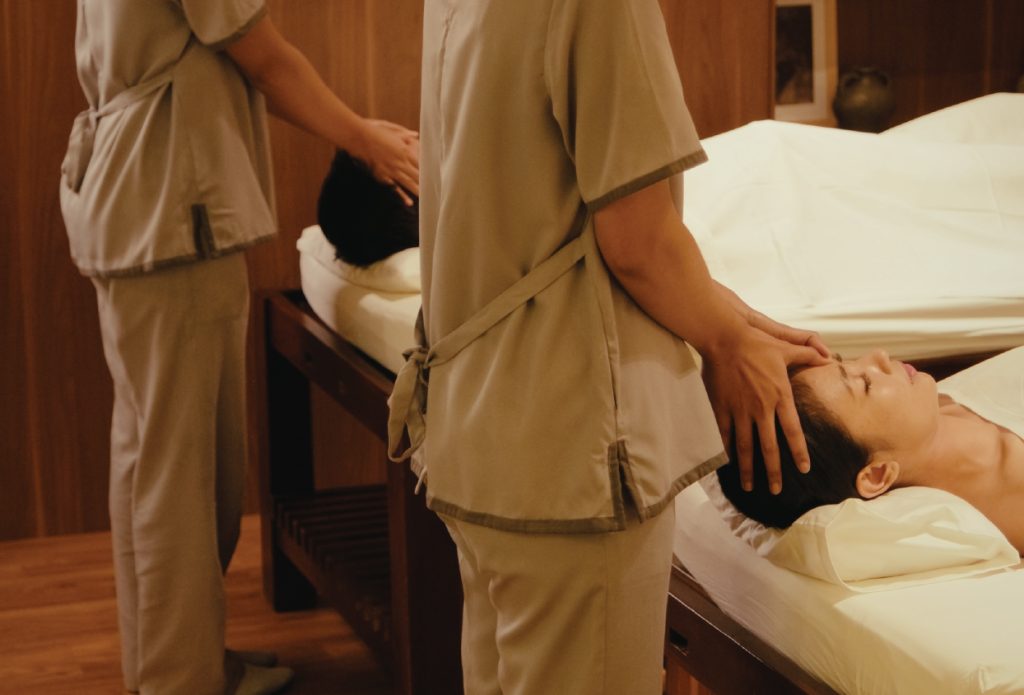
There are moments when your body speaks more honestly than your mind. When you keep moving without pause, your body begins sending subtle signals. Over time, those signals become clearer and harder to ignore. Self care is not a trend. It is the right response when your body and mind have been working too long without balanced recovery.
Many people see exhaustion as normal, muscle aches as a consequence, and difficulty focusing as part of daily routine. In reality, these are messages from your body. The question is not whether you are busy, but whether you are still listening to yourself. When these signs appear, your body is asking for attention, not postponement.
Why the Body Sends Signals
Your body has a natural mechanism to maintain balance. When physical and mental demands exceed capacity, it sends warnings. These signals may appear as discomfort, emotional changes, or unusual drops in energy.
Physiologically, prolonged stress increases cortisol levels, affecting sleep quality, digestion, and immune function. Without proper recovery, the body shifts into survival mode rather than growth. At this point, self care becomes a necessity rather than an option.
Persistent Fatigue Despite Rest
Feeling tired after activity is normal. However, if fatigue lingers even after sleep or a short break, it may indicate a deeper need for intentional self care. This type of exhaustion is often mental and emotional rather than purely physical.
The body requires relaxation that calms the nervous system, not just additional hours of sleep. Without meaningful recovery, energy levels struggle to return to optimal and productivity may decline.
Read also: How to Build a Self Care Routine in the Middle of a Busy Life
Muscle Tension Without Heavy Activity
Tightness in the neck, shoulders, back, or legs is often blamed on posture or light activity. Yet when discomfort appears without a clear cause, it can signal stored stress.
Emotional stress causes muscles to contract as a protective response. If this continues over time, tension becomes persistent and uncomfortable. Self care that includes therapeutic touch helps release this buildup and restore lightness to the body.
Difficulty Concentrating and Mental Fatigue
When your mind feels overloaded, focus becomes difficult and distractions increase. This often happens during periods of work pressure, lack of rest, and limited downtime.
Self care creates space for mental reset. As the body relaxes, clarity returns. It is not about escaping responsibility, but about recharging so you can show up with better focus and presence.
Unusual Emotional Changes
Irritability, unexplained anxiety, or loss of interest in activities you once enjoyed may indicate that your body and mind need greater attention. Emotional shifts often appear before physical symptoms become obvious.
Self care supports emotional stability. Relaxation helps reduce internal tension, allowing emotional responses to become more balanced and steady.
Disrupted Sleep Patterns
Restless sleep, frequent waking, or difficulty falling asleep are strong indicators that the body has not fully relaxed. An overactive mind and tense muscles interfere with natural recovery during sleep.
When self care is practiced consistently, sleep quality often improves. The body relearns how to enter rest mode rather than remaining on constant alert.
Read also: Benefits of Routine Spa Treatments for Stress, Skin, and Immunity
Dull and Unresponsive Skin
Skin frequently reflects internal condition. When the body is fatigued and stressed, skin may appear dull, more sensitive, or less responsive to daily skincare routines. This is not only about products, but about overall well being.
Holistic self care supports circulation and calms the nervous system, allowing the skin to recover from within. Treatments become more effective when the body is in balance.
The Cost of Delaying Self Care
Many people postpone self care because they feel the need to stay strong and productive. However, delaying recovery increases the risk of chronic fatigue and reduced quality of life. When ignored, the body amplifies its signals.
Recognizing the signs early helps prevent more serious conditions. Listening to your body is an act of long term self respect.
Self Care as a Balanced Lifestyle
Self care is not an occasional indulgence. It is a consistent habit integrated into daily life. Its form may vary, as long as it provides space for physical and mental recovery.
The key is choosing calming, personalized treatments practiced with awareness. When self care becomes routine, the body no longer needs to demand attention loudly.
Read also: Wellness Retreat vs Urban Spa: Which One Is Right for You?
A Holistic Approach to Self Care
Effective self care addresses body, mind, and emotion together. A peaceful environment, appropriate touch, and attention to personal needs create complete restoration.
At Aarti Wellness, self care is designed as a comprehensive wellness experience. Each treatment helps you recognize your body’s signals and respond thoughtfully rather than simply easing surface symptoms.
Listen Before It Is Too Late
If you are experiencing these signs, consider them an invitation to pause and nurture yourself. Make time for meaningful recovery so you can move forward with renewed energy, focus, and balance. Experience mindful and calming self care at Aarti Wellness, because a body that feels supported responds with its best performance.